On the way to greater sustainability
On the way to greater sustainability
On the way to greater sustainability
DELA Group takes its responsibility for a sustainable future seriously. We want to be clear and open about what we do. So in this sustainability report, we present what steps DELA is taking and how we are working on sustainability.
Even though the Corporate Sustainability Reporting Directive (CSRD) is not mandatory for DELA in the year under review, we report according to those rules as much as possible in order to stay transparent and be well prepared in this area. Although we have prepared this report with due care, it has not been reviewed by an independent auditor. As part of the audit of the financial statements, however, the auditor engaged with us to determine DELA's status on preparing to publish a CSRD-compliant report starting in financial year 2027.
A key component of the European Sustainability Reporting Standards (ESRS) is the double materiality assessment, which identifies material sustainability matters across three areas – environmental, social, and governance (ESG) – that are relevant to our business, value chain, and stakeholders. This process involves assessing the potential impact of our activities on the environment and people, the risks that sustainability-related matters pose to us, and the opportunities that sustainability initiatives can create.
In accordance with the materiality assessment, we report on the following topics:
- General disclosures
- Climate change
- Sustainable resource use
- Personal services
- Privacy
- Good employment practices
- Business conduct
In 2025, DELA took further steps to strengthen its sustainability approach, such as by fully integrating it into the new strategic course for 2026-2030. In the coming years, our sustainability programme will mainly be aimed at improving the well-being of our customers with our services, reducing our carbon emissions, introducing more sustainable practices for the use of resources, and fostering greater diversity. In addition, we continue to work on reliable sustainability reporting.
We achieved the following specific results in 2025:
- Customer satisfaction (NPS) remained high: the NPS for insurance services rose to 55 while remaining stable at 77 for funeral services, thereby exceeding our targets of 51 and 76.
- Scope 1 and 2 carbon emissions are 42 per cent lower than in the base year, and the emissions from our investments per million of euros in assets invested are 43 per cent lower than in the base year. This shows that we are well on our way to reaching our target of a 50 per cent carbon reduction by 2030.
- To meet our ambitious targets for sustainable resource use, in the past year we developed a transition plan with specific actions aimed at the reduced and more sustainable use of resources and better waste separation. We expect to see the effect of these actions in the coming years.
- Even though it was lower than our target of 39, employee satisfaction – an eNPS of 30 – remained high as well. In addition, we defined a policy and an action plan to foster greater diversity.
General
Basis for preparation of the sustainability report
DELA has prepared a consolidated sustainability report at cooperative level, using the same scope of consolidation as for the financial statements. As a result, DELA Natura- en levensverzekeringen N.V. falls independently within the scope of the CSRD but uses the exemption based on Article 19a to not report independently.
Sustainability report framework
DELA has determined which topical ESRS standards apply based on the material impacts, risks, and opportunities identified. These include E1 Climate change, E5 Resource use and circular economy, S1 Own workforce, S4 Consumers and end-users, and G1 Business conduct alongside ESRS 2 General disclosures. No entity-specific topics have been identified. An analysis was subsequently performed to determine which quantitative information and performance indicators should be disclosed for each material topic. The sustainability report appendix contains a reference table that indicates where the information for each part of ESRS can be found in the report.
The sustainability report may not include every impact, risk, or opportunity that each individual stakeholder or group of stakeholders considers important based on their own specific estimate.
Value chain vs. own organisation
We have determined the material impacts, risks, and opportunities based on the entire value chain of both the funeral business and the insurance business. While the policies, actions, and targets reported mainly relate to our own organisation, they also apply to the broader value chain for climate change and sustainable resource use. With the exception of Scope 3 carbon emissions, we disclose metrics that only concern the performance of our own organisation.
Disclosures on metrics
The metrics that we disclose come from our information systems and from suppliers and other sources. Sectoral averages are used if no data is available. The data was collected, reviewed, and consolidated by our Group Control department. Line management has reviewed the outcomes.
If a metric has changed since the previous disclosure or if there has been a material prior period error, that is disclosed along with the relevant metric. See the 'Methodology for quantitative data' appendix for a complete list of the definitions for our sustainability metrics, including details about the data and estimates used.
Time horizons
We assessed the material impacts, risks, and opportunities over the short, medium, and long term. The short term covers the reporting period of one year. Since sustainability matters often only become material in the longer term, the nature of these matters calls for a forward-looking disclosure approach. In this sustainability report, we apply the following definitions in line with the ESRS for forward-looking disclosure:
- Short term: 1 year
- Medium term: 1 to 5 years
- Long term: more than 5 years
Financial effects of sustainability impacts
The financial effects of managing material impacts have been identified and are disclosed under actions if they involve significant amounts. This only concerns the expected costs for the climate transition plan. These financial effects are limited and not expected to pose a risk to our continuity; nor do they otherwise require adjustments to our strategy or business model.
Reliability of sustainability report
During the past year, we integrated the preparation of the sustainability report into the existing control systems for external reporting. This means that we have revised the related policy and process and established internal controls where necessary. The internal controls are mainly aimed at assessing data plausibility, performing an extra check on the incorporation and processing of data, and having line management approve parts of the report. The Executive Board then approved the sustainability report as part of the overall annual report.
Financial and sustainability reports both follow the same governance framework. The audit committee oversees the financial and sustainability reporting process. The risks, internal controls and their operational effectiveness are also assessed in the risk committee. These responsibilities are clearly outlined in the regulations of both committees, which have been approved by the Supervisory Board.
Strategy and sustainability targets
Our business model focuses on offering a wide range of insurance products and funeral-related services tailored to the specific needs of customers in the Netherlands, Belgium, and Germany. We use various financial and non-financial resources for this purpose, such as our people, raw materials such as wood, flowers, paper, wool, and cotton, and business assets such as company vehicles, buildings, and office supplies, as well as financial resources like the premiums received. All of this contributes to long-term value creation.
We provide services that include prepaid funeral insurance and savings-linked insurance in the Netherlands, funeral endowment insurance in all three countries, and term life insurance in the Netherlands and Germany. These policies ensure a diverse offering that meets various cultural and financial preferences. The premiums received are invested to minimise inflationary price rises for our policyholders. We work with providers of products and services in the upstream insurance value chain, such as IT and facility services, and with asset managers.
We also provide comprehensive funeral services in the Netherlands and Belgium. We assist bereaved families in arranging a funeral regardless of whether the deceased was insured with DELA or another provider – or not insured at all. In the upstream value chain, we work with service providers such as funeral transportation companies and facility services, as well as suppliers of coffins, workwear, and cremators.
There have been no significant changes in the products and/or services offered in the reporting period. More details about our business model can be found in the report of the Executive Board.
Our overall sustainability objective is to amplify positive impacts, reduce negative impacts, make the most of sustainability-related opportunities, and manage sustainability-related risks. Our strategy explicitly considers DELA's impact on customers and employees. During the past year, we outlined a new strategic course for 2026-2030 that incorporates sustainability.
In all that we do, we strive for high customer and employee satisfaction and to act with integrity. We are committed to the Paris Agreement and aim to reduce resource use while opting for more sustainable alternatives. These sustainability-related targets align with our core activities of insurance and funeral services. The desired growth of our core activities may increase not only our positive impacts but also the negative impacts, such as higher resource use and increased carbon emissions due to a greater number of funerals.
The table below presents the parts of DELA's strategy related to sustainability topics, with a focus on key current and future challenges and the main solutions or projects initiated within the framework of sustainability.
| Strategy | Sustainability topic | Projects | Challenges |
|---|---|---|---|
| Leading in our area of expertise and providing support in the important final stage of life | Personal services Good employment practices Business conduct |
Product development Engaged employees Guest-oriented hospitality culture |
More diversity and possibilities (including technological advances) leading to varied needs and preferences Intensified competition due to disruption, consolidation, and fragmentation |
| Carbon reduction | Climate change | Climate transition plan | Grid congestion and building permits |
| Sustainable resources | Sustainable resource use | Plan for sustainable resource use | Balancing of interests related to the well-being of different stakeholders, company objectives, and associated costs |
Stakeholder engagement
DELA engages with various stakeholder groups on a daily basis, including members, customers, employees, suppliers and partners. For DELA, open and regular dialogue with them is a vital part of our daily activities.
As an important building block for us as an organisation, stakeholder engagement is structurally embedded in our way of working. In 2025, we further refined our stakeholder dialogues to put what we learn from them to better and more consistent use in our strategic choices and in achieving our long-term goals. We distinguish between proactive dialogue about topics that are important for our strategic course and the regular dialogue that runs via departments and employees in their daily contact with stakeholders.
The following table outlines how we engage in dialogue with stakeholders.
| Stakeholders | Engagement | Implementation |
|---|---|---|
| Customers: members, policyholders*, bereaved families, guests, and visitors | Via cooperative panel and confidential committee Via general meeting Via customer satisfaction surveys |
Several times a year At least twice a year Ongoing |
| Salaried employees | Via employee experience surveys Via works councils Progress reviews at an individual level with the managers in charge |
Yearly Meeting between the Executive Board/Management Board and the works council at least four times a year Ongoing dialogue |
| Hired-in/external workers** | Discussions at an individual level with the managers in charge or contract managers | Ongoing dialogue and at time of contract renewal |
| Suppliers | Discussions at an individual level with contract managers | Ongoing dialogue and at time of contract renewal |
| Joint ventures and participating interests | Discussions with line management | At least once a year |
| Intermediaries | Discussions with account managers | At least once a year |
| Funeral centre/crematorium directors | Discussions at an individual level with location managers | Ongoing |
| Partners in funeral services | Discussions with person in charge | At least once a year |
* This includes policyholders, insured persons, and depositors. For the sake of readability, we use the term 'policyholders' in this report.
** In ESRS, this is called 'non-employee workers': workers contracted via temporary employment agencies and staffing firms as well as self-employed persons.
Proactive dialogue is fleshed out systematically in close consultation with functional officers and based on the input from the stakeholders themselves. This takes account of aspects such as topic, timing, and way of working to shape this dialogue as carefully and efficiently as possible.
In 2025, we used e.g. the input from the materiality assessment, feedback from suppliers, and regular dialogue to refine our strategic priorities and sustainability approach. Interviews with members of the cooperative panel, the sessions of the general meeting, and dialogue with suppliers were important sources in this process. In our regular dialogue with suppliers, we aim to address matters such as climate change and our joint optimisation of the provision of personal services to customers.
The Executive Board, Management Board, and Supervisory Board regularly obtain information about stakeholder interests and expectations. They receive information about customer feedback, the materiality assessment, supplier evaluations, and from what is discussed at times such as the general meeting and in the cooperative panel.
In 2026, we will continue to take steps in the dialogue with our stakeholders. We ensure that stakeholders are systematically involved and that their input is shared throughout the organisation. That enables us to use their valuable feedback more often and more consistently in our decision-making. It is with these steps that we seek to further strengthen our partnership with our stakeholders.
Establishing material impacts, risks, and opportunities
DELA aims to perform an extensive double materiality assessment once every five years so that it ties in with the strategy cycle. In the event of a significant organisational change or a change in the business context, however, we will perform the extensive materiality assessment in the year after that. In 2024, we completed an extensive materiality assessment.
Every year, we review whether the outcomes of the double materiality assessment are still fit for purpose. In 2025, we therefore included the following in the assessment:
- An analysis of the material topics of similar companies
- Input received from stakeholders
- Organisational changes, i.e. the new strategic course and the acquisition of DFW Group B.V.
In 2025, we also defined a policy that sets out the frequency and the process behind the double materiality assessment and who shoulders which tasks and responsibilities.
We have incorporated the interests of key stakeholders, such as suppliers, employees, policyholders, visitors, and the environment, into the materiality assessment. DELA thoroughly weighs the interests of all these stakeholders. As part of the double materiality assessment, the Supervisory Board, Executive Board, and Management Boards have been informed about the stakeholders identified and their sustainability-related impacts. The views of employees (via works councils) and members (via the general meeting and confidential committee) are shared with the Executive Board.
For the materiality assessment, we go through the following process:
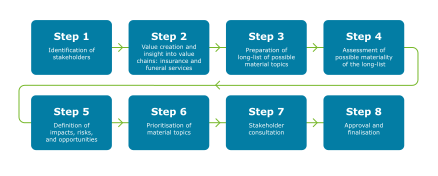
Step 1: Identification of stakeholders
Our internal project group of experts analysed the stakeholders. The conclusion was that members, customers, employees, suppliers, and the environment are the most affected stakeholders. This remained unchanged in 2025.
Step 2: Value creation and insight into value chains: insurance and funeral services
The value chains have been mapped out for both core activities, with key actors identified upstream and downstream.
Because of the acquisition in 2025 of DFW Group B.V., a company that operates in a different sector, i.e. the production and maintenance of crematorium equipment, a separate value chain was defined. When analysing the sustainability topics of this value chain, no additional material topics, impacts, risks or opportunities were identified. Consequently, we provide no further information about this value chain in the sustainability report.
Step 3: Preparation of long-list of possible material topics
We start the materiality assessment with a long-list of topics taken from the standard topics in ESRS, material topics of peers, literature and interviews with internal specialists and stakeholders. The review for 2025 produced no additional topics.
Step 4: Assessment of possible materiality of the long-list
We assessed the list of topics from step 3 with the aid of internal experts, additional testing, and analytical reviews of potential material positive/negative impacts, risks and/or opportunities. A separate analysis was conducted to assess the potential material impacts of our investment portfolio.
Step 5: Definition of impacts, risks, and opportunities
We specifically described the potential impacts, risks, and opportunities for the topics identified as material during Step 4. Internal expertise and input from stakeholder dialogues were used for this purpose.
Step 6: Prioritisation of material topics
We assessed the materiality of each impact, risk, and opportunity using internal expertise and input from stakeholder dialogues (see the 'notes to prioritisation' for the methodology).
To determine the material impacts of an investment portfolio, insurers generally assess whether they have an above-average concentration of investments in a particular country or sector with a material (often negative) impact. These assessments are mainly performed by internal professionals and external experts. The availability of quantitative data on ESG aspects – apart from carbon data – is still limited. Our investment portfolio is very well diversified with respect to risk distribution and rates of return. Based on this diversification, we conclude that our investments have a material impact only in relation to the topic of climate change.
The results of the regular ORSA were used to determine the likelihood and magnitude of the sustainability-related risk in the investment portfolio. The ORSA is used to evaluate whether our strategy can withstand the effects of sustainability-related risks in the investment portfolio.
Risk specialists assessed whether financial and non-financial risks identified in our risk management system needed to be added and whether material impacts would lead to additional sustainability-related risks. This did not result in any additional material sustainability-related risks.
Ultimately, we identified 14 material impacts, risks, and opportunities, which were grouped into six material topics.
Step 7: Stakeholder consultation
We discussed the identified material topics and related impacts, risks, and opportunities with different stakeholder groups as well. The first was our customers, represented by the confidential committee and members of the general meeting. Earlier, we had asked the general meeting in a survey to assess the possible material topics and to put forward any topics that were lacking. We also discussed these topics in a dialogue session with the confidential committee. In 2025, we subsequently discussed the sustainability report for 2024 at the general meeting.
The second group consisted of our employees, represented by the works councils in the Netherlands and Belgium. In 2024, we validated the potential sustainability topics with them as well. In 2025, we discussed the sustainability report with the Dutch works council, and material sustainability topics were discussed by both works councils during their regular meetings with the Executive Board and Management Board.
In 2025, we started thinking with some of our suppliers about topics that affect both of us, such as climate change and sustainable resource use. We will follow up on that in the coming year. This is an addition to the regular times that we are in contact with our suppliers.
We incorporated the information that we obtained in steps 3 to 6 of the double materiality assessment.
Step 8: Approval and finalisation
The double materiality assessment and the identified impacts, risks, and opportunities were approved again by the Executive Board at the end of 2025.
Notes to prioritisation of material impacts, risks, and opportunities
We assessed all impacts based on five criteria: scale, scope, irremediable character (in the event of a negative impact), severity, and likelihood. This resulted in a final score. We also evaluated the likelihood and magnitude of risks and opportunities, which also led to a score.
1. Scale
How grave or beneficial the impact is for people or the environment, expressed on a scale of 1 to 5:
- Negligible
- Minimal
- Average
- Significant
- Severe
2. Scope
Scope describes how far the impacts reaches. For environmental impacts, this refers to the extent of environmental damage or a geographical perimeter. For human impacts, we look at the number of people adversely affected. A scale of 1 to 5 is used for evaluation, with specific categories for stakeholders and society/nature.
- <1% of the stakeholders | negligible
- 1-5% of the stakeholders | local
- 5-50% of the stakeholders | regional
- 50-90% of the stakeholders | national
- 90% of the stakeholders | universal
3. Irremediable character
Irremediable character shows whether and to what extent negative impacts could be remediated, i.e. restoring the environment or affected people to their prior state. We use a scale of 1-easy to restore, 3-difficult to restore, or 5- impossible to restore.
4. Severity of the impact
We calculate the severity of a negative impact as the average of scale, scope, and irremediable character. For positive impacts, the severity is the average of scale and scope.
5. Likelihood
The chance that an impact, risk, or opportunity will occur, expressed on a scale of 1 to 5:
- 0% Extremely unlikely
- 25% Unlikely
- 50% Possible
- 75% Likely
- 100% Extremely likely
6. Magnitude of risks and opportunities
This measures the effect on the financial position of the company in different timeframes on a scale of 1 to 5:
- <14 million
- 14-139 million
- 139-348 million
- 348-1,045 million
- >1,045 million
7. Score
We calculate the impact score as the average of severity and, for potential impacts, likelihood. The score for risks or opportunities is the average of magnitude and likelihood. We have set the materiality threshold at a score of 3.0. Impacts, risks, and opportunities that equal or exceed this score are considered material due to their impact or financial significance.
Material impacts, risks, and opportunities
The materiality assessment has identified the following material topics.
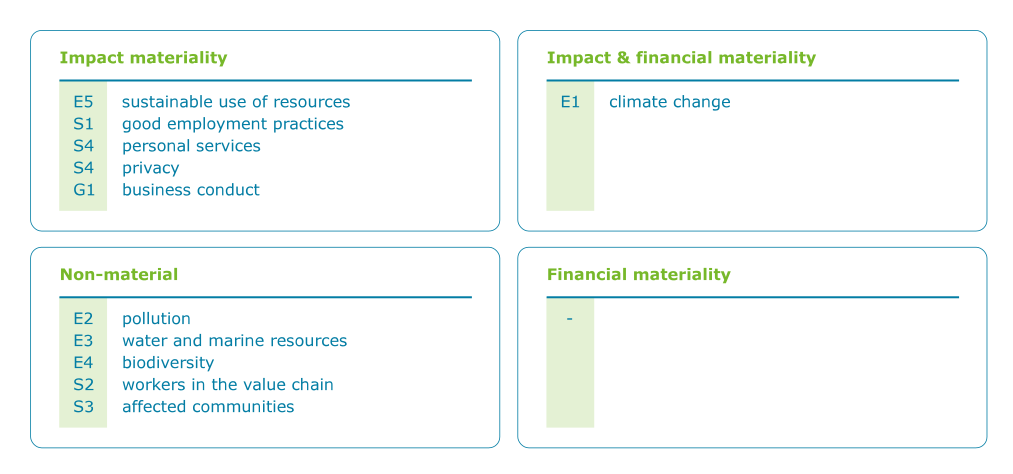
The whistleblower protection' sub-topic is no longer included in the review of the materiality assessment. After assessment of the material impacts, opportunities, and risks of similar companies and the input received from stakeholder consultation, we reassessed the materiality of this impact and concluded that it is important but not material.
Below follows a brief explanation of the impacts, risks, and opportunities of these topics:
Climate change: DELA has a negative environmental impact due to its carbon emissions and those of our chain partners. The high use of energy in our funeral business also has a negative impact. Carbon emissions contribute to global warming. In addition, we have a negative impact via investments that have a negative environmental impact related to carbon emissions. The only material sustainability-related risk is the risk of a decline in value of our investment portfolio due to climate change. The Risk Management section presents how this risk, as part of market risk, relates to DELA's other risk categories.
Sustainable use of resources: DELA uses products and raw materials for its insurance business and the provision of funerals. The use of raw materials and waste generation have a negative environmental impact. Important resources in our provision of services are coffins, paper, funeral flowers, and workwear.
Personal services: We have a positive impact on the well-being of our customers. We seek to provide support before, during and after a person's decease and for quality of life in the broadest sense: physical, social and emotional, of people and their loved ones.
Privacy: Any failure to properly protect our customers' personal data could have a negative impact on their well-being.
Good employment practices: We have a positive impact on the well-being of our employees by offering good terms and conditions of employment. That said, working in the funeral services sector can have potential negative impacts such as disrupting the work-life balance, performing mentally and physically demanding work and being confronted with aggressive behaviour.
In addition, we have a potential negative impact on the well-being of current and potential permanent employees due to insufficient focus on diversity and inclusion.
Business conduct: We have a positive impact on our stakeholders via our corporate culture.
DELA is involved in material impacts through our own activities, the procurement of services and products from suppliers (upstream), via intermediaries (downstream), and the other funeral providers who use our locations and services (downstream).
Our business model is aligned with the interests of members, policyholders, and bereaved families. We can increase our positive impact and reduce the negative impact without having to adjust our business model. Since we are not making significant changes to our strategy or business model, we expect all material effects to occur in the short, medium, and long term.
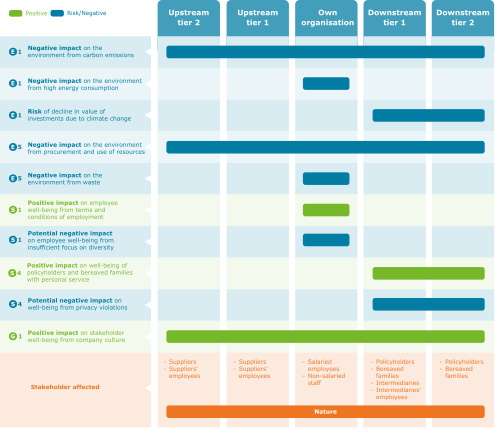
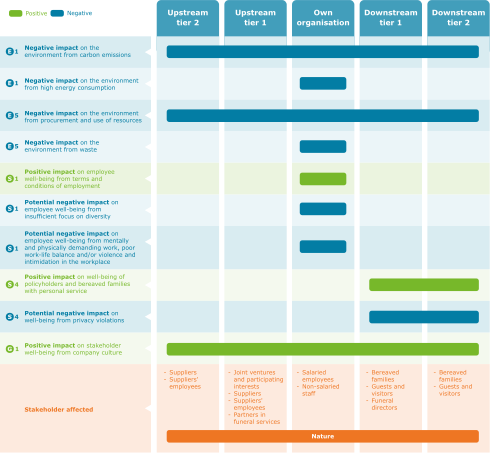
The impacts and risks are concentrated in the value chain as follows, including the stakeholders affected:
Insurance business value chain
Funeral business value chain
Managing impacts, risks, and opportunities
This sustainability report presents for each material topic how the identified material impacts and risks are managed (policy, targets, actions and resources, and results). In general, the management body is responsible for material impacts, risks, and opportunities, as delegated by the Executive Board. The Management Boards implement this via the various departments. Specialists provide support in these areas.
Various policy documents support the management of sustainability-related impacts, risks, and opportunities. Unless stated otherwise, this policy is not aligned with internationally recognised frameworks such as the UN Guiding Principles on Business and Human Rights (UNGPs), the International Labour Organization Declaration on Fundamental Principles and Rights at Work, or the OECD Guidelines for Multinational Enterprises.
The long-term targets, including those for sustainability topics, have been included in the strategic course for 2026-2030. Each year, the Executive Board prepares a letter specifying the proposed frameworks for the upcoming year. Then the Management Boards prepare annual plans in which they describe in detail which targets they will pursue and which activities they will undertake. These annual plans are based in part on input from the management teams, which can, for instance, indicate the resources and support needed to meet the targets. Internal experts provide support. This results in a cohesive and goal-oriented plan that provides direction for the entire company.
The finalised annual plans, including the targets and projects for the upcoming year, are discussed annually with a representative body of employees known in the Netherlands and Belgium as works councils. Since we do not have a works council in Germany, the annual plans are shared and discussed with all employees. Additionally, DELA Group's annual plan is shared with the members of the general meeting.
Monitoring and controlling different sustainability topics takes place via regular, periodical disclosures at business unit and group level. In addition, the Management Boards receives regular monthly updates on key insights from customers and employees via reports on NPS, eNPS, and absenteeism. Progress on the actions from the climate transition plan is reported every quarter. These reports are intended for the Management, Executive, and Supervisory Boards. Departments report monthly and quarterly to the Management Boards. The Management Boards submit monthly and quarterly reports to the Executive Board, which then reports to the Supervisory Board. In the coming year, management information on the progress of the transition plan for sustainable resource use and the action plan for diversity will be included.
Furthermore, the regular ORSA shows whether the current strategy can withstand the impact of sustainability-related risks in the investment portfolio. An ad-hoc ORSA is conducted to reassess these risks in the case of trigger events such as major acquisitions.
Governance for sustainability
DELA's governance structure comprises the Supervisory Board, Executive Board, and the Management Boards. DELA's governance charter defines the decision-making governance structure. This charter outlines the rules for different forums and the distribution of authority.
The Supervisory Board has three roles: the role of providing oversight, the role of an adviser, and the role of an employer for the members of the Executive Board under the Articles of Association. The Supervisory Board ensures that customer-centric values and interests are central to the business strategy and oversees the effectiveness of internal risk management and control systems, including those related to business conduct. The topics of good employment practices and business conduct are specifically discussed in the Supervisory Board's remuneration and appointments committee. The external sustainability reporting is discussed in the Supervisory Board's audit committee.
The Executive Board is jointly responsible for the strategy, structure, and outcomes, including those of the sustainability topics. It also provides adequate safeguards for business conduct and integrity. It is accountable to the Supervisory Board and the general meeting for the performance of its tasks. Policy for all of DELA Group is approved by the Executive Board. An officer is designated within the Executive Board for all material topics.
The Management Boards along with the Executive Board conduct DELA's day-to-day management, implement and realise the business strategy, manage the material impacts, risks, and opportunities, strengthen our ability to innovate, and improve our customer focus. A Management Board approves policy that falls within its authority and which applies solely to the relevant business unit. One or more officers are designated within the Management Boards for all material impacts, risks, and opportunities.
When appointing members to the Supervisory Board, Executive Board and Management Boards, we ensure a balanced mix of knowledge, experience, education, and perspectives. This in turn enables decisions to be made that take into account a range of viewpoints. The Executive Board consists of two group directors whose positions are named in the Articles of Association and three group directors (with one position still vacant) who are not specifically named therein. DELA does not have independent directors. Our Executive Board is 50 per cent female and 50 per cent male, meeting the diversity standard of at least 30 per cent for both women and men. Employees are represented in the management body by the HR director. The Supervisory Board currently includes two officers who represent members. The general meeting has regional representation to ensure that local insights and interests are included in our decision-making.
The Executive Board has broad experience in the financial sector and in-depth knowledge of relevant laws and regulations, including in the area of business conduct. Our competence and suitability policy is based on the Suitability Policy Rule set by the Dutch central bank (DNB) in 2012. We also assess the suitability of individuals in key leadership positions under Solvency II regulations, including risk management roles, the actuarial department, and the internal audit function.
In general, the Management, Executive, and Supervisory Boards maintain their expertise levels through continuous education, covering topics such as cybersecurity, General Data Protection Regulation (GDPR), ethics, and risk management. In addition, an annual review is made of the performance of the Executive Board and Supervisory Board, the retirement and reappointment of Supervisory Board members, and the application of the recruitment and selection policy for new appointments. Knowledge and expertise in the area of sustainability, particularly environmental topics, is strengthened via training and knowledge-sharing from external and internal experts.
The Management Boards, the Executive Board, and the Supervisory Board and their committees took additional action on various sustainability topics in 2025. The double materiality assessment and responsibility for sustainability were emphasised again in the sustainability report. In addition, they worked on broadening and following up on the transition plan for climate change, and they defined a transition plan for sustainable resource use as well as policy and an action plan for diversity, equity, and inclusion. The remuneration policy and the results of the employee experience surveys were carefully discussed, just as were the results of the customer satisfaction surveys. They also focused on addressing sustainability-related risks and refining the socially responsible investment policy.
Performances in relation to sustainability (including carbon reductions) are not linked to variable remuneration at DELA except at DELA Belgium, where a variable remuneration system is in place. Up to 10.5 per cent of the fixed salary may be awarded as variable remuneration based on meeting specific targets, such as a minimum customer satisfaction score (NPS), which is considered sustainability-related performance. DELA Belgium's works council is involved in setting the annual variable remuneration objectives (CLA 90). Members of DELA's Executive Board and Supervisory Board do not receive any variable remuneration.
See the 'Strong and clear governance' section in the report of the Executive Board for more information about our governance.
Due diligence in the value chain
Due diligence is an ongoing process that underpins our business operations and may lead to changes in our strategy, business model, and operations. Below is a summary of where key due diligence information can be found in this sustainability report:
| Core elements of due diligence | Sections in the sustainability report |
|---|---|
| a) Embedding due diligence in governance, strategy, and business model | Strategy and sustainability targets Governance |
| b) Engaging with affected stakeholders in all key steps of the due diligence process | Stakeholder engagement Establishing material impacts, risks, and opportunities |
| c) Identifying and assessing adverse impacts | Establishing material impacts, risks, and opportunities |
| d) Taking actions to address those adverse impacts | Actions per topic |
| e) Tracking and communicating the effectiveness of these efforts | Stakeholder engagement Managing impacts, risks, and opportunities Actions per topic |
Our procurement and outsourcing policy currently governs our relationships with and selection of suppliers. Due diligence checks are carried out for all new partnerships to identify potential abuses, corruption or non-payment of suppliers further down the supply chain. Existing contracts are continuously monitored, primarily focusing on payment behaviour and compliance with sanctions legislation.
Our corporate social responsibility (CSR) procurement code has a broad scope and requires suppliers – including subcontractors – to adhere to its principles. Suppliers must commit to socially responsible business practices, specifically regarding labour law and human rights, as outlined in the Universal Declaration of Human Rights of the United Nations.
They are also expected to respect the environment and comply with all applicable national and supranational environmental laws and regulations. In addition, we expect suppliers to comply with all applicable national and supranational competition laws and regulations. We inform new suppliers about our CSR procurement code during the selection procedure. This code is publicly available on our website. We should point out, however, that local contracts concluded in the past that are still running today may vary.
In addition, supplier and contract management is an integral part of our procurement function and processes. Contract managers and buyers perform this on a constant basis in addition to due diligence and compliance with our CSR procurement code.
DELA no longer falls within the scope of the Corporate Sustainability Due Diligence Directive (CSDDD).
Environment
Climate change
Climate change is a great challenge, and that goes for DELA as well. Its effects have become increasingly visible in recent years, including rising global temperatures and more frequent extreme weather events. The constant increase of greenhouse gases (GHG) in the atmosphere, with carbon dioxide as the largest component, is one of the main contributing factors for climate change. When we talk about carbon emissions in this section, we refer to the emission of all greenhouse gases, also known as carbon dioxide equivalent (CO2eq).
Impacts, risks, and opportunities
Climate change can also result from and have an impact on our core activities as well as our value chain. Our double materiality assessment has identified three material impacts and one risk in this area:
- Negative impact on people and the environment due to carbon emissions (climate change mitigation) from our own operations.
- Negative impact on people and the environment due to energy usage within our own operations.
- Negative impact on people and the environment due to carbon emissions (climate change mitigation) from our investments.
- Risk of a decline in value of our investment portfolio as a result of climate change.
1. Carbon emissions from own operations
Carbon emissions contribute to global warming. To assess DELA's impact on climate change, we have identified our annual carbon emissions, including those from both the upstream and downstream value chain. Based on this analysis, we estimate that there is currently a negative impact which occurs on a global scale and is difficult to remedy. Assessment shows that there are no other pressures within our activities or value chains that create a significant climate impact.
The carbon emissions from our own operations stem from the likes of crematoriums, offices, funeral locations, and transport. In addition, the upstream value chain – such as the supply of products and services or commercial transport – also contributes to carbon emissions. The majority of our carbon emissions are concentrated within the funeral services chain. This is due to the energy-intensive cremation process and the products and services associated with funerals. Our carbon emissions are a direct consequence of our core activities.
2. High energy consumption from own operations
Energy consumption has a significant impact on the environment as it places pressure on the total availability of finite energy resources, both fossil and renewable. Moreover, the use of fossil energy results in carbon emissions.
DELA currently has a negative environmental impact due to energy consumption within its own operations. This includes crematoriums, office and funeral locations, and company-owned vehicles. According to the European Energy Efficiency Directive, we are classified as a major energy consumer. Most of this impact is related to the funeral services chain, more specifically to the funeral locations and the cremation process.
3. Carbon emissions from investments
Our investment portfolio has a net emission of carbon dioxide, which has a negative impact on people and the environment. Based on our assessment, we estimate that there is currently a negative impact which occurs on a global scale and is difficult to remedy.
4. Risk of a decline in value of the investment portfolio
The value of our investment portfolio may grow at a slower rate or even decline due to climate change, which represents a transition risk. This sustainability-related risk is an explicit part of the existing market risk and system risk that we already control within our investment portfolio. This risk has been assessed in the resilience analysis.
Risk identification
At DELA, the financial materiality of climate-related risks is primarily assessed based on the impact on DELA's solvency position (Solvency II). The first step in this process is to assess which entities have a material impact on our solvency position. The next step is to identify for these entities the climate-related risks and to quantify them where possible.
The result of the first step shows that only the entity DELA Natura- en levensverzekeringen N.V. (hereinafter: DELA Natura) has a significant impact on the solvency of DELA Group. The other entities naturally also face climate-related risks, but these qualify as non-material due to the limited impact on the solvency position. The material risks are regularly assessed by DELA Natura in an own risk and solvency assessment (ORSA).
Resilience analysis
DELA performs an ORSA every year. This measures the resilience of the strategy and the business model, which is deemed adequate if the solvency position can withstand the possible impact of material risks, including climate change.
In previous years, resilience analyses were performed for several climate risks. For our own operations, physical climate hazards are taken into consideration, such as danger of flooding, rise in temperature, temperature fluctuations, and natural disasters. An analysis was also performed on the physical climate risk for the investment portfolio. In addition, the analyses also included transition risks, such as the impact of changing laws and regulations, including the mandatory introduction of sustainable methods of operation or an increase in expected mortality as the result of rises in temperature. A resilience analysis identifies the extent to which the operations may be exposed and sensitive to these climate hazards. Based in part on the results of previous resilience analyses, the materiality assessment showed that DELA is exposed to one material climate risk: the risk of a decline in value of the investment portfolio.
The latest comprehensive analysis was performed in 2023. It was decided that we would perform a comprehensive analysis on the impact of climate scenarios on the investment results once every three years unless there have been significant changes to the guidance from the regulator(s) or the availability of data. Additionally, DELA performs an annual sensitivity analysis on poor investment performance, and that can be triggered by climate risks.
Resilience and scenarios
In 2023, a comprehensive resilience analysis was performed on the risk of a decline in value of the investment portfolio based on a climate scenario data set from ORTEC Finance. This climate scenario data set uses different input variables to model the impact of climate change on the financial markets. This makes the set suitable for determining the risk of a decline in value of the investment portfolio. The key drivers and pressure factors included as inputs in the scenarios are climate data, macroeconomic data, policy information, and financial data. The scenarios account for both transition risks and physical risks, including acute physical risks (e.g. hurricanes and floods) and chronic physical risks (e.g. higher average temperatures and rising sea levels). A limitation of the model is that all climate-related risks, therefore both physical and transitional, are evaluated together. The main limitations and exclusions from the scenarios are that transition risks of changes in behaviour, such as changes in lifestyle (e.g. dieting with low meat consumption) or economic systems (e.g. circular economy), are not included in these scenarios. The data set comprises the following four climate scenarios:
- Orderly net-zero (1.5°C): it is assumed that a highly ambitious policy is introduced to reduce emissions, that the world experiences relatively little impact from acute physical risks and that the financial markets are not materially disrupted by transition and physical risks.
- Disorderly net-zero (1.5°C): here an ambitious policy and low physical risks are also assumed, but climate risks are abruptly priced in in 2025, leading to a disruption of the financial markets.
- Limited action (2.8°C): policymakers take only moderate action to limit climate change. This scenario is associated with high risks due to extreme weather conditions and high temperatures, with material impacts for the financial markets.
- High warming (4.2°C): no new policy actions are introduced against climate change, and some existing actions are reversed. This scenario is associated with extremely high risks due to extreme weather conditions and high temperatures. The largest losses occur on the financial markets in this scenario.
The orderly net-zero scenario is aligned with the policy direction followed by DELA, with a time horizon of 40 years used for the calculations. This means that the targets set by DELA fall within this time horizon.
The resilience analysis demonstrates that DELA's investment portfolio can withstand most climate scenarios. Only in the most extreme scenario – where no global climate change mitigation measures are implemented – does solvency fall below the regulatory threshold. Given the current global efforts to limit temperature rises, however, this scenario is considered unlikely.
Market risks alsmost never occur everywhere and at the same time. By diversifying investments across investment categories, sectors, and regions, we can keep minimise the risk of negative market trends affecting the whole portfolio. In this way, diversification helps to mitigate the impact of market risks. Underperforming investment returns have an impact on the premium development for our policyholders. According to the calculations, our strategy and business model provide sufficient resilience against the risks of climate change.
Resilience and scenarios
In 2023, a comprehensive resilience analysis was performed on the risk of a decline in value of the investment portfolio based on a climate scenario data set from ORTEC Finance. This climate scenario data set uses different input variables to model the impact of climate change on the financial markets. This makes the set suitable for determining the risk of a decline in value of the investment portfolio. The key drivers and pressure factors included as inputs in the scenarios are climate data, macroeconomic data, policy information, and financial data. The scenarios account for both transition risks and physical risks, including acute physical risks (e.g. hurricanes and floods) and chronic physical risks (e.g. higher average temperatures and rising sea levels). A limitation of the model is that all climate-related risks, therefore both physical and transitional, are evaluated together. The main limitations and exclusions from the scenarios are that transition risks of changes in behaviour, such as changes in lifestyle (e.g. dieting with low meat consumption) or economic systems (e.g. circular economy), are not included in these scenarios. The data set comprises the following four climate scenarios:
- Orderly net-zero (1.5°C): it is assumed that a highly ambitious policy is introduced to reduce emissions, that the world experiences relatively little impact from acute physical risks and that the financial markets are not materially disrupted by transition and physical risks.
- Disorderly net-zero (1.5°C): here an ambitious policy and low physical risks are also assumed, but climate risks are abruptly priced in in 2025, leading to a disruption of the financial markets.
- Limited action (2.8°C): policymakers take only moderate action to limit climate change. This scenario is associated with high risks due to extreme weather conditions and high temperatures, with material impacts for the financial markets.
- High warming (4.2°C): no new policy actions are introduced against climate change, and some existing actions are reversed. This scenario is associated with extremely high risks due to extreme weather conditions and high temperatures. The largest losses occur on the financial markets in this scenario.
The orderly net-zero scenario is aligned with the policy direction followed by DELA, with a time horizon of 40 years used for the calculations. This means that the targets set by DELA fall within this time horizon.
The resilience analysis demonstrates that DELA's investment portfolio can withstand most climate scenarios. Only in the most extreme scenario – where no global climate change mitigation measures are implemented – does solvency fall below the regulatory threshold. Given the current global efforts to limit temperature rises, however, this scenario is considered unlikely.
In 2025, we conducted a sensitivity analysis, calculating the impact of a 15 per cent investment loss due to climate change. The investment loss has an impact on the premium development for our policyholders. The results confirm that our solvency remains just above the regulatory threshold, which is consistent with previous analyses. An early full recalculation is therefore unnecessary.
Policy
We have different policy documents for managing the impacts and the risk: climate policy and investment policy.
Climate policy
In 2025, DELA established a climate policy in line with the Paris Agreement. The Paris Agreement is based on extensive scientific research on climate change, primarily conducted by the Intergovernmental Panel on Climate Change (IPCC). Our climate policy is aimed at the reduction of carbon emissions (Scopes 1, 2, and 3). We estimate that this approach will also lead to a reduction in the use of energy (fossil fuels) in our own operations.
The climate policy applies to multiple parts of the cooperative:
- Own operations, with the emphasis on reduced consumption and using more sustainable energy in carrying out our core activities;
- Investments, where the climate strategy forms an integral part of socially responsible investment (socially responsible investment policy);
- Value chains, with an emphasis on the broader impact of the goods and services that we purchase from suppliers and partners.
We aim to balance the interests of different stakeholders. That means not only do we seek to reduce our carbon emissions, but we also want to keep our services affordable and continue to have a positive effect on the well-being of our stakeholders. We therefore weigh up all aspects around the actions needed to achieve our objectives. To minimise unnecessary costs due to premature write-offs, we have aligned climate transition actions as much as possible with natural replacement cycles.
The Executive Board has overall responsibility for the climate policy. The climate transition plan sets out how we specifically develop and implement the policy.
Investment policy
In addition to the climate policy, we have an investment policy that describes how we generate the best possible return with our investments in exchange for taking appropriate risks. We also take account of sustainability, which is why a socially responsible investment policy is an integral part of our investment policy. Our socially responsible investment policy primarily focuses on minimising negative impacts. Where possible, we also invest in projects with a positive impact, such as healthcare real estate and forestry.
The investment policy and our socially responsible investment policy apply to the entire investment portfolio. The investment policy and our socially responsible investment policy have been approved by the Executive Board and the Supervisory Board.
Laws and regulations form the foundation for socially responsible investment. Since 2015, we have endorsed the Principles for Responsible Investment (PRI). In implementing our investment policy, we also take into account UN standards such as the UN Global Compact and the UN Guiding Principles as well as the OECD Guidelines for Multinational Enterprises and the Sustainable Development Goals (SDGs). By endorsing these standards, we expect the companies in which we invest to align their activities and strategies with ten universally accepted principles covering human rights, labour, the environment, and anti-corruption.
We communicate through our website with policyholders and other interested parties about our socially responsible investment policy. We provide both a summary and the full policy, supplemented by various links and documents with background information about the codes and principles DELA supports. Our UN PRI reports, the latest exclusion list, our voting policy and our regular voting and engagement reports are also available on the website. We also communicate any policy changes to the relevant asset managers.
Targets
DELA is committed to the targets of the Paris Agreement, aiming to reduce our GHG emissions to net zero by 2050. In 2025, we redefined the scope of our target for our own operations. The target in 2025 pertains to Scope 1 and 2 carbon emissions only, while commercial transport in the value chain has been placed out of scope. This more clearly defines the carbon emissions that DELA controls directly (Scopes 1 and 2). The climate transition plan outlines which actions we take to meet these targets.
We have set the following carbon reduction targets.
| Base year | Base year carbon emissions |
Target 2030 |
% | Target 2050 |
% | |
|---|---|---|---|---|---|---|
| Own operations (Scopes 1, 2) | 2021 | 15,807 | 7,903 | -50% | 1,581 | -90% |
| x 1 metric tonne CO2eq | ||||||
| Investments (Scope 3.15) | 2019 | 144.0 | 72.0 | -50% | 0 | -100% |
| x 1 metric tonne of CO2eq / € million invested |
The carbon emissions from our own operations (Scopes 1 and 2) are an absolute target, measured as a percentage of the emissions in the base year. We are aiming for net zero in 2050, with maximum 10 per cent compensation. This target concerns 100 per cent of the emissions in Scopes 1 and 2, which stem from carbon dioxide and refrigerants (HFCs). DELA aims for an absolute reduction of carbon emissions irrespective of any core activity growth. We estimate that the current target with associated actions will also provide sufficient progress in renewable and other energy. This is why specific targets for reducing energy usage or expanding renewable energy have not been set at this time.
For the carbon emissions in the value chain (Scope 3), we have set a target for Scope 3.15 investments only, which covers 98 per cent of our emissions in Scope 3. This is the intensity target, measured as the reduction of carbon emissions per million of assets invested, which allows us to account for the Scope 1 and 2 emissions of the companies in which we invest.
We take 2021 as the reference year for our own operations. This decision is based on the availability of group-level measurement data from 2021 onwards. The carbon emissions in 2021 provide a realistic reflection of our organisational size following the acquisition of Yarden. Furthermore, operations were less affected by the COVID pandemic compared with 2020.
Our targets are based on market-based carbon emissions. We take 2019 as the reference year for the investments (Scope 3.15). The reason is that 2019 is widely accepted in the financial sector as the base year. To measure the GHG emissions from our investments, we use the PCAF method (Partnership for Carbon Accounting Financials): the international standard for financial institutions. The PCAF method advises us to choose the earliest year in which complete and reliable data is available. For DELA, that is 2019.
To define our climate change mitigation targets, DELA has followed the guidelines of the internationally recognised Science Based Targets initiative (SBTi). Since no sector-specific benchmark is available, we have taken the SBTi economy-wide scenario as our reference. SBTi requires a linear annual reduction of 4.2 per cent for Scope 1 and 2 carbon emissions in the first five to ten years. This target is considered 'scientifically grounded' as it is aligned with the goal of limiting global warming to 1.5°C, in accordance with the Paris Agreement. Our targets comply with this guideline as DELA aims for an annual linear reduction of 5.6 per cent. The targets have not been submitted to SBTi for testing. At present, we find following their guidance sufficient.
Climate transition plan
The climate transition plan specifically sets out what is needed to successfully reduce our carbon emissions. The Executive Board is jointly responsible for the content and implementation of this plan. The climate transition plan focuses on the reduction of GHG emissions within Scopes 1, 2, and 3, as defined by the GHG Protocol. In 2024, we prepared a climate transition plan for the first time that was aimed at our own operations. In 2025, we broadened this plan with targets, actions, and resources for carbon emissions within the investments (Scope 3.15). The climate transition plan is aimed at DELA's value chains for the funeral business and the insurance business.
In the climate transition plan, we distinguish between short / medium term and the long term. Each year, we prepare a detailed schedule for the main actions over the next five years: the short and medium term. For the long term, a less detailed plan has been prepared, which does, however, show that all actions will be ready by 2050. Progress on the actions is monitored every quarter. The plan and actions are revised annually and extended by an extra year so that we always keep a five-year horizon of detailed plans.
More information is provided below for the elaboration of the climate transition plan, first for our own operations and then for investment.
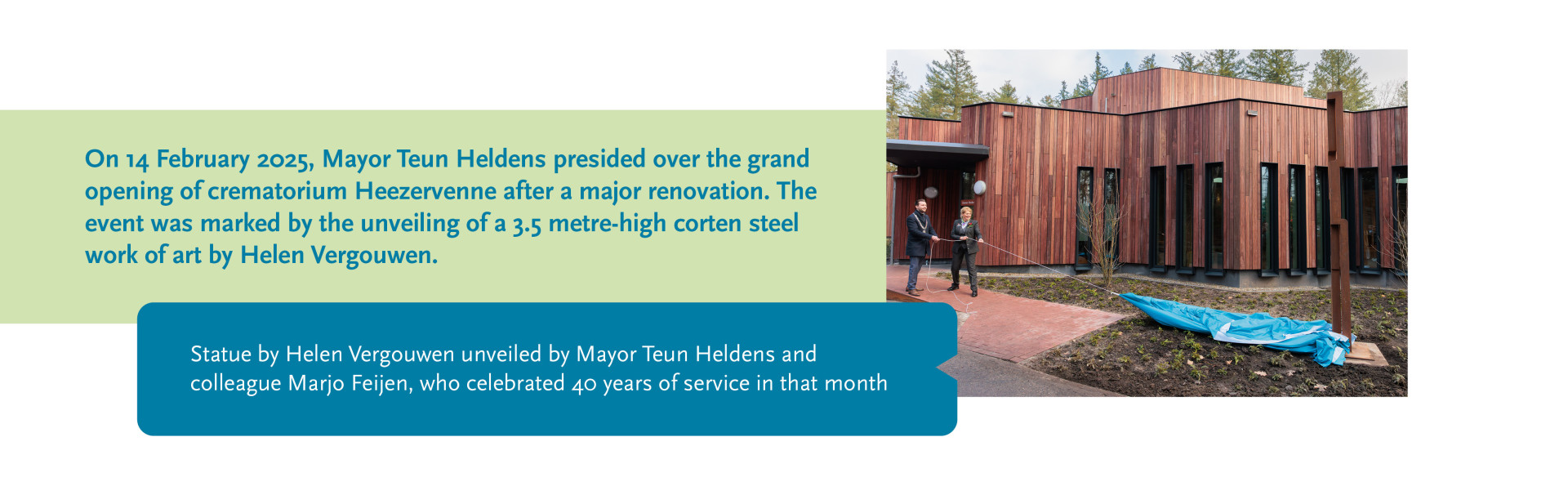
Climate transition plan for own operations
The climate transition plan for our own operations is aimed at reducing carbon emissions in buildings and company-owned vehicles in the Netherlands and Belgium. Because the amount of carbon emissions in Germany is minimal, we have not included any actions in the transition plan for Germany.
Buildings and cremators are the main assets with significant locked-in GHG emissions. The emissions can be reduced by making buildings gas-free and replacing the gas-fired cremators with electric cremators. All these assets have been incorporated into the climate transition plan. DELA does not offer products with potential locked-in GHG emissions. At present, the transition plan for our own operations does not take any account of new technologies. However, alkaline hydrolysis (resomation) could become an additional option if legislation in the Netherlands or Belgium permits it. When renovating buildings, we also consider the latest best practices in technology, such as refrigerants used in heat pumps. There are no nature-based solutions included in the current climate transition plan.
The climate transition plan and its associated actions are integrated into the business plan, departmental annual plans, budget, and long-term financial forecasts. Implementation of the actions within the plan is charged to the functional officers within the existing governance structure. We believe that the actions from the climate transition plan will not have any material impact on our employees.
Decarbonisation levers for own operations
Three essential decarbonisation levers have been identified to help ensure the success of our climate transition plan. A decarbonisation lever is a strategic action that has a large and measurable effect on the reduction of our carbon emissions.
1. Clustering activities or sale of buildings
We aim for an efficient real estate portfolio; this means that we have the right buildings in the right places. We sold various buildings in the Netherlands during the past three years. In addition, we devised a location strategy per zone in Belgium where as many activities as possible are clustered together and moved to strategic locations. The location strategy in Belgium also means that we will no longer remain at certain locations; these buildings – most of which are outdated – will be sold.
2. Making buildings and cremators gas-free
Buildings and cremators consume significant amounts of energy, with a typical gas cremator using approximately 50 m³ of natural gas per cremation. Replacing gas-fired cremators with electric versions will reduce energy use by 80 per cent. At the same time, our carbon emissions will decrease by 100 per cent as we source electricity from renewable energy. Our goal is to make all buildings gas-free by 2050 via improved insulation and minimising energy demand. Key challenges in achieving this goal include the limited availability of electric cremators and grid congestion when upgrading to higher-capacity electrical connections. While exploring mitigating actions to reduce the risk of grid congestion, we do remain dependent on the expansion of the electricity network's capacity.
3. Fossil-free transport
Our current approach involves replacing fossil-fuel vehicles with electric vehicles. Thanks to a sufficient driving range and charging infrastructure, EVs are a viable solution. This transition applies to leased vehicles (both personal and pool vehicles), hearses, and funeral ceremony vehicles in both the Netherlands and Belgium.
We estimate that these actions will help us make headway in reducing carbon emissions while also contributing to the reduction of the use of energy and increasing the share of renewable energy.
Actions and resources for own operations
The climate transition plan outlines the decarbonisation levers and specific actions required to meet our targets. With the actions in the climate transition plan, we expect to reduce carbon emissions by 2,288 metric tonnes in the 2026-2030 period. Of this, approximately 2,856 metric tonnes of savings come from actions in the Netherlands, and 680 metric tonnes from actions in Belgium. The chart below illustrates the contribution to the targets per decarbonisation lever.
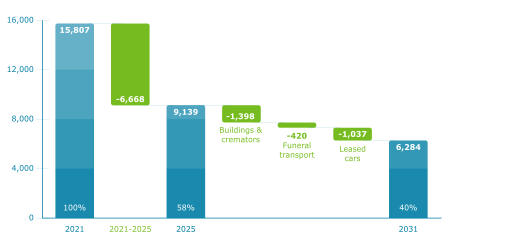
With the planned actions, DELA is expected to meet its target at group level of reducing carbon emissions by 50 per cent in 2030 in comparison with reference year 2021.
Actions in 2025
For 2025, we had planned several actions to contribute to the reduction of carbon dioxide. The forecast for the carbon reduction from these actions has been revised in comparison with the figures that we reported in the annual report for 2024; now they are consistent with the redefined target.
| Country | Action | Decarbonisation lever | Forecast carbon reduction (tCO2eq) |
|---|---|---|---|
| NL | Renovation of Heeze crematorium | Buildings and cremators | 274 |
| BE | Clustering of locations | Buildings and cremators | 18 |
| BE | Renovation of locations for completion in 2025 | Buildings and cremators | 35 |
| BE | Purchase of green electricity for Liege office | Buildings and cremators | 32 |
| NL | Replacement of fossil-fuel hearses with EVs | Funeral transport | 50 |
| NL | Replacement of fossil-fuel leased vehicles with EVs | Commercial transport | 137 |
| BE | Replacement of fossil-fuel company vehicles with EVs | Commercial transport | 131 |
| 677 |
All actions were implemented in 2025, with the exception of the purchase of green electricity for our office in Liege. The reason for this is that the lessor was not willing to change the energy contract. Some extra savings were also achieved in addition to the aforementioned actions. In the Netherlands, seven locations were sold and two gas-fired cremators were replaced with an electric cremator. In Belgium, somewhat fewer locations were sold than foreseen. At the same time, the renovation of buildings led to more savings than expected. In addition, an extra saving was achieved for the cars in Belgium on top of the plan because the purchase of the electricity used to charge the electric vehicles was demonstrably sustainable (with a Guarantee of Origin), which means it does not have any carbon emissions. Together, these developments led to an additional reduction of carbon emissions by some 200 metric tonnes in comparison with the planned actions.
Actions in 2026 and beyond
The following actions are scheduled for implementation in 2026:
| Country | Action | Decarbonisation lever | Forecast carbon reduction (tCO2eq) |
|---|---|---|---|
| NL | Increased sustainability of Beukenhof Schiedam crematorium | Buildings and cremators | 113 |
| NL | Increased sustainability of 's-Hertogenbosch funeral centre | Buildings and cremators | 15 |
| BE | Sustainable renovation of locations | Buildings and cremators | 36 |
| BE | Clustering of locations | Buildings and cremators | 3 |
| NL | Replacement of fossil-fuel hearses with EVs | Funeral transport | 72 |
| BE | Replacement of fossil-fuel funeral transport with EVs | Funeral transport | 5 |
| NL | Replacement of fossil-fuel leased vehicles with EVs | Commercial transport | 164 |
| BE | Replacement of fossil-fuel company vehicles with EVs | Commercial transport | 123 |
| 531 |
The following actions are planned for the period 2027 to 2030:
| Country | Action | Decarbonisation lever | Forecast carbon reduction (tCO2eq) |
|---|---|---|---|
| NL | Renovation of locations | Buildings and cremators | 1,090 |
| BE | Renovation of locations | Buildings and cremators | 44 |
| BE | Clustering of locations | Buildings and cremators | 82 |
| NL | Clustering of locations | Buildings and cremators | 15 |
| NL | Replacement of fossil-fuel leased vehicles with EVs | Commercial transport | 491 |
| BE | Replacement of fossil-fuel company vehicles with EVs | Commercial transport | 259 |
| NL | Replacement of fossil-fuel hearses with EVs | Funeral transport | 216 |
| BE | Replacement of fossil-fuel funeral transport with EVs | Funeral transport | 127 |
| 2,324 |
Resources
Especially in the Netherlands, DELA began early with the transition to making our locations and leased vehicles carbon-neutral; and the initial pilot projects for switching to electric hearses have since been completed. The knowledge and experience gained from these initiatives form the basis for estimating the required financial resources. Sustainability actions are aligned as much as possible with natural replacement cycles to prevent premature write-offs and ensure cost efficiency.
In the coming five years, €58.6 million is expected to be invested on balance for the renovation of locations. These costs fall under the investment expenses item in the financial statements because our own property (head offices, crematoriums and funeral centres) is seen as an investment. Operating expenses for locations are expected to decrease due to lower energy consumption. An extra investment of €2.7 million has been budgeted for the electrification of the fleet of vehicles. The investments are fully funded from DELA's own cash flow.
About ten internal experts and contract managers were involved in achieving these climate change goals.
Climate transition plan for investments
Investments (Scope 3.15) account for 98 per cent of the carbon emissions in Scope 3. DELA's actions to reduce carbon emissions in Scope 3 are therefore aimed at the investments. Implementation of the actions within the plan is charged to the functional officers in the asset management department.
Decarbonisation levers for investments
DELA takes various actions to manage its investments in a socially responsible, sustainable, and effective manner. Climate change is one of the topics that is included in this regard. The four main actions for socially responsible investment are:
- Exclusions: DELA excludes companies and countries from investments if they do not meet the social or sustainability criteria. This is the most far-reaching tool; it is used for violations of international standards (such as the UN Global Compact), involvement in controversial sectors (such as controversial weapons), sanctions legislation and climate risks. We apply strict criteria for exclusions. Companies that generate more than 25 per cent of their revenue from coal or unconventional oil and gas extraction, for example, are excluded. This concerns 164 companies (at year-end 2025). In addition, 67 companies (at year-end 2025) were on our exclusion list due to the violation of climate principles;
- ESG integration: ESG factors (environmental, social, governance) are structurally included in the selection and monitoring of external asset managers, in investment analysis, and in decision-making. DELA places requirements on ESG integration for both listed and private investments and expects external asset managers to report about that transparently. Our asset managers are required to subscribe to the UNPRI (United Nations Principles for Responsible Investment);
- Active ownership: DELA exerts an influence via engagement (dialogue with companies to improve ESG performance) and voting (DELA votes at shareholder meetings according to a policy aligned with its own vision). For private investments, DELA often sits on the advisory committee, which has a direct influence on fund strategies;
- Investing with impact: In 2025, we conducted a study on investing with impact. On that basis, we further refined our strategy in this area. DELA invests in funds that not only generate a financial return but also have a measurably positive impact on people, the environment, and society. The focus is on climate-related topics such as renewable energy, sustainable agriculture, and carbon removal as well as funds with an impact framework (often Article 9 of the SFDR) that are required to disclose their impact results. Investing with impact must contribute to both social goals and DELA's financial objectives.
At present, we cannot quantify the exact contribution of our decarbonisation levers – such as engagement, voting policy, exclusions, and investing with impact – to the reduction of the carbon emissions. This is because the effect of these tools cannot be measured one-to-one. For instance, the exclusion of carbon-intensive sectors contributes to a lower carbon intensity of the portfolio, even though the exact reduction achieved cannot be determined. For voting and engagement, the influence on carbon reduction is indirect: these activities promote changes in companies, but the exact reduction in emissions achieved cannot be expressed in metric tonnes of carbon dioxide.
In addition, measurability is limited by differences in data quality, the dependence of external asset managers and the lack of uniform reporting standards. We are targeting improvements and seek to raise the data quality score in 2026.
Actions and resources for investments
In the past years, we have mainly achieved a reduction of carbon intensity in the investment portfolio by:
- Exclusion of coal and unconventional oil and gas extraction
- Investment in funds with low or negative emissions, such as renewable energy and forestry
- Transition and increased sustainability of the companies and real estate within our investment funds
- A carbon target for our passive and enhanced (low active risk) share mandates, i.e. average 50 per cent lower carbon emissions than the relevant benchmarks
In the 2026-2030 period, we expect the following actions to make a large contribution to achieving the objective:
- Some funds with a large contribution to the portfolio's emissions will end in the coming years
- Further sustainability of the investments in the funds in which we invest is under way
- Balancing the overall objectives from the socially responsible investment policy, including the carbon reduction objective, against one another in the selection of new investments
- Continuation of the carbon objective for our enhanced (low active risk) share mandates, i.e. average 50 per cent lower carbon emissions than the relevant benchmarks
Every year, we evaluate whether the actions provide sufficient progress on meeting the target. The actions from the climate transition plan for the investments can be implemented without significant extra investments.
Seven portfolio managers and investment analysts were involved in achieving our goals for socially responsible investment.
Results
Energy usage
Most of the energy usage is related to the funeral chain. Our energy usage stems from natural gas, fuel oil, and electricity at locations as well as fuel usage for cars and funeral transport. DELA also generates its own renewable energy. The table below provides an overview of total energy usage in 2025, categorised by fuel type.
| Energy consumption in MWh | 2025 | Difference | 2024 |
|---|---|---|---|
| (1) Total fossil fuel consumption | 41,941 | -8% | 45,806 |
| (2) Consumption from nuclear sources | - | - | - |
| (3) Fuel consumption from renewable sources including biomass (also comprising industrial and municipal waste of biologic origin), biofuels, biogas, hydrogen | - | - | - |
| (4) Consumption of purchased or acquired electricity, heat, steam, and cooling from renewable sources | 14,229 | -7% | 15,289 |
| (5) Consumption of self-generated renewable energy | 447 | 44% | 311 |
| (6) Total renewable energy consumption (calculated as the sum of lines 3 to 5) | 14,676 | -6% | 15,601 |
| Total energy consumption (calculated as sum of lines 1, 2 and 6) | 56,617 | -8% | 61,407 |
The use of fossil energy decreased by 3,865 MWh in 2025 compared with 2024, representing an 8 per cent reduction. Total energy consumption also decreased by 8 per cent to 56,617 MWh. In 2025, we registered a 9 per cent decrease in the use of natural gas; this is in line with the transition that we initiated to reduce the use of fossil fuels and to aim for electrification.
Scope 1, 2, and 3 carbon emissions
We calculate our carbon footprint according to the internationally recognised standard, the GHG Protocol (Greenhouse Gas Protocol), following the operational control approach. For Scope 1 and Scope 2, the basis for determining emissions is measured consumption data, supplemented by estimates when necessary. For the market-based emission factor of purchased electricity (Scope 2), we rely on our procurement contracts with suppliers. If no registered Guarantee of Origin is available for electricity usage, we apply the average electricity mix of the respective country (location-based emission factor). This primarily applies to electricity used for charging vehicles. A detailed overview of the assumptions used for the carbon emissions calculation is included in the 'Methodology for quantitative data' appendix.
In 2025, we made some changes to the calculation and results of the carbon emissions for the investments. As providers develop and gain more insight, increasing data quality has also allowed them to revise their historical data. In addition, we identified differences in the attribution factors that had been applied: the share of emissions previously attributed to DELA was too large. We also estimate the total carbon emissions at the total level as that seems to be a more commonly used method. The effect of these changes is an increase of 107,000 metric tonnes of carbon emissions in 2019 and a decrease of about 474,500 metric tonnes in 2024. More information about these changes is included in the 'Methodology for quantitative data' appendix.
The table below shows the development of our carbon emissions. DELA has no Scope 1 emissions that fall within regulated emissions trading systems.
| x 1 metric tonne carbon dioxide equivalent | 2025 | Difference | 2024 | 2021* |
|---|---|---|---|---|
| Gross Scope 1 emissions | 8,726 | -11% | 9,828 | 13,544 |
| Gross market-based Scope 2 emissions | 412 | 11% | 370 | 2,263 |
| Gross location-based Scope 2 emissions | 3,399 | -18% | 4,163 | 6,133 |
| Total gross Scope 1 and 2 emissions (market-based) | 9,139 | -10% | 10,198 | 15,807 |
| Total gross scope 1 and 2 GHG emissions (location-based) | 12,126 | -13% | 13,992 | 19,677 |
| Total gross indirect (Scope 3) emissions | 13,353 | -2% | 13,685 | 16,046 |
| 1 Purchased goods and services | 5,987 | -7% | 6,462 | 7,657 |
| 3 Fuel- and energy-related activities not included in Scope 1 or Scope 2 | 2,060 | -7% | 2,219 | 3,701 |
| 5 Waste generated in operations | 752 | -20% | 938 | 938 |
| 6 Business travel | 2,343 | 20% | 1,946 | 1,573 |
| 7 Employee commuting | 2,210 | 4% | 2,120 | 2,177 |
| Total GHG emissions excluding investments (market-based) | 22,491 | -6% | 23,884 | 31,853 |
| Total GHG emissions excluding investments (location-based) | 25,478 | -8% | 27,677 | 35,724 |
| 15 Investments** | 796,874 | -2% | 811,081 | 907,873 |
| Total GHG emissions (market-based) | 819,365 | -2% | 834,965 | 939,726 |
| Total GHG emissions (location-based) | 822,352 | -2% | 838,758 | 943,597 |
* For investments, we use 2019 as the base year instead of 2021.
** Results for 2019 and 2024 revised due to calculation adjustment.
The emissions in Scopes 1 and 2 were 10 per cent lower than last year and 42 per cent lower in comparison with the base year. This shows that DELA is making good progress on achieving the reduction targets for the medium term.
Emission intensity of investments
In 2025, a change was made in how the emission intensity for investments is determined. To calculate the emission intensity of the assets invested, we use the emissions data and the assets for which emissions data is available instead of the estimated total carbon emissions and total assets under management. This seems to be a more commonly used method. More information about this change is included in the 'Methodology for quantitative data' appendix.
The table below shows our emission intensity in 2025.
| Amounts x €1,000,000 | Assets under management (in €) |
Proportion with emissions data (in %) |
Assets under management with emissions data (in €) |
Carbon emissions (in tCO2eq) |
Emission intensity* | PCAF** |
|---|---|---|---|---|---|---|
| Shares | 2,341 | 99.9% | 2,339 | 127,363 | 54.5 | 2.1 |
| Fixed income securities | 3,948 | 91.6% | 3,618 | 387,139 | 107.0 | 3.3 |
| Real estate | 1,824 | 88.4% | 1,613 | 6,243 | 3.9 | 2.1 |
| Infrastructure | 1,285 | 98.7% | 1,268 | 227,976 | 179.8 | 2.0 |
| Agriculture and forestry | 355 | 99.7% | 354 | 2,305 | 6.5 | 2.0 |
| Total | 9,752 | 94.2% | 9,191 | 751,025 | 81.7 | 2.6 |
* Emission intensity = metric tonne of carbon emissions per million euros invested.
** The reliability of data is based on the PGAF data quality scoring method. This provides an indication of the reliability and accuracy of the reported carbon emissions, where one represents the highest quality and five the lowest.
The emission intensity of the investments in 2025 was 81.7 metric tonnes of carbon dioxide per million euros of assets invested. The carbon intensity of the shares, real estate, and agriculture and forestry categories is relatively low. This is a result of the actions mentioned before. The carbon intensity of the infrastructure category is still relatively high at this time. Virtually all funds in which we invest within this category have a net-zero commitment and are actively engaged in decarbonising their portfolio companies. We are therefore confident that the current downward trend will continue in the years to come.
The table below shows the development of the emission intensity.
| 2025 | Difference | 2024* | 2019* (base year) |
|
|---|---|---|---|---|
| Proportion with emissions data (in %) | 94.2% | 1.2% | 93.1% | 81.0% |
| Assets under management with emissions data (in millions of euros) | 9,191 | 8.0% | 8,507 | 5,107 |
| Carbon emissions (in tCO2eq) | 751,025 | -0.5% | 755,064 | 735,230 |
| Emission intensity (in tCO2eq / million of euros invested) | 81.7 | -7.9% | 88.8 | 144.0 |
* Results for 2019 and 2024 revised due to calculation adjustment.
The emission intensity decreased by 7.9 per cent in comparison with the previous year and 42.9 per cent in comparison with the base year (2019). That puts DELA well on course to achieve the medium-term objective.
Sustainable resource use
Raw materials are valuable, which is why DELA aims to use them sparingly. Various products – and therefore raw materials – are used in the funeral services chain to support bereaved families and guests. Paper is used mainly in the insurance chain. There are no material resource outflows, which means we can only apply the principles of the circular economy to a limited extent. We mainly focus on less resource use, the procurement of sustainable resources and waste separation.
Impacts, risks, and opportunities
Our double materiality assessment has identified two material impacts in this area:
- Negative environmental impact from the procurement of products used and consumed in DELA's services. Many of these resources are of natural origin, such as wood, paper, flowers, wool, and cotton.
- Negative environmental impact from the production and disposal of waste, as finite raw materials are destroyed or not effectively utilised. This also includes hazardous waste related to the funeral services chain, such as medical waste and fly ash from filtration systems.
The environmental impacts have been assessed based on three aspects. Firstly, we looked at the types of products we use, consume or offer in our services and whether these products could cause significant negative environmental impact. We then identified the volume of material resource flows as an important indicator of negative environmental impact. Finally, we considered the interests of our stakeholders. In this analysis, we consulted internal experts and an external party with specific knowledge of the wood and paper industry, the clothing industry, and flower cultivation outside the EU.
We are involved in the material impacts through our suppliers who manufacture the products used in our services and handle our waste processing.
Our material resource flows are coffins, paper, funeral flowers, workwear, and waste. Based on our expenditures and an estimate of the weight of the resource inflows, we concluded that coffins and paper are substantial and, from this perspective, have the greatest negative impact on the environment. Funeral flowers are also important to our stakeholders. According to the National Survey on Death in October 2025, 32 per cent of respondents expect sustainable options for their farewell ceremony. Of all respondents, 27 per cent find sustainability important for their own farewell ceremony, and 11 per cent call a sustainable approach an important aspect of a fitting farewell. By responding to this expectation, we can encourage customers to make more sustainable choices and influence consumer behaviour on a broader scale. In addition, we aim to make the workwear worn by our funeral service employees more sustainable. For resource outflows related to waste, we assessed the total volume of waste generated and the extent to which waste is separated.
We also assessed financial materiality by considering the substitutability of the products we use and consume. Our conclusion is that there are sufficient alternatives to mitigate the risk of reduced supply or higher prices.
Notes to resource flows
We disclose our material resource inflows of coffins, paper, workwear, and funeral flowers and the resource outflow of waste. These resource flows are explained below:
Coffins
We procure coffins for funerals provided by DELA, with bereaved families choosing the product that meets their personal requirements. In the Netherlands, we offer a basic product range, while in Belgium we provide a free choice. Most coffins are made of wood, but we also offer coffins made from resources such as willow, rattan, or mycelium. Our coffins are supplied with lining and handles, which can also be made from various resources. For coffins, we focus on the sustainability of the wood used to make the coffin.
Paper
The paper we use includes customer communication (such as policies or annual statements), printed matter for funerals, printing paper for office and funeral locations, and products printed by suppliers on our behalf, including Kroniek, our magazine for members, and commercial printed matter.
For wood and paper, FSC and PEFC are the most common sustainability certificates. Every link in the value chain must have chain of custody certification.
Workwear
Our workwear consists of clothing for on-site employees and funeral directors. New employees receive a package of clothing when their contract begins. If the quality of a piece of clothing is inadequate or the piece of clothing is damaged, that item is replaced. A piece of clothing has an average life of two years. We consider cotton, wool, and leather to be organic materials. Sustainability certificates pertain to the type of fabric (textile) used to produce the clothing, not to the clothing as a whole. Sustainable textile production refers to both sustainable new production and recycled material.
Funeral flowers
We purchase flowers for the funerals that DELA provides. The vast majority of flowers for a funeral are purchased directly by bereaved families and guests themselves without DELA's involvement. These flowers are not included in our disclosed resource inflows. The funeral flowers that we purchase from local florists are very diverse. Bereaved families themselves choose the product that meets their personal requirements. In the Netherlands, we offer a standard product range, while in Belgium we provide a free choice. Funeral pieces vary in size, types of flowers, and composition; they may or may not come with a plastic holder, foam block, binding thread, ribbon, or small vases. Compared with the weight of such other resources, the weight of the flowers in a funeral piece is relatively low.
Waste
Our operations produce waste. In the insurance chain, this concerns regular waste from office locations. For the funeral services chain, this is regular waste from office locations and funeral locations, such as paper, swill (food remains from catering establishments), glass, PD (plastic and drink cartons), residual waste, etc. In addition, the funeral services chain has two types of hazardous waste: medical waste from the final care of the deceased and fly ashes from filter installations at crematoriums. We process the hazardous waste via our suppliers in accordance with the applicable laws and regulations.
Policy
In 2025, DELA established a policy for sustainable resource use. We focus on less resource use, the procurement of sustainable resources, and waste separation. For sustainable resources, we focus on both new resources with a demonstrably sustainable origin and secondary resources. The policy applies to DELA group and is aimed at our own operations – with an emphasis on the reduced and more sustainable use of resources in carrying out our core activities – and at the value chains, with an emphasis on the wider impact of the goods and services that we purchase from suppliers and partners. We inform the suppliers that we need for this purpose of our policy and explore with them how we can achieve this together.
The Executive Board is the owner and therefore has overall responsibility for this policy. The transition plan for sustainable resource use sets out how we specifically develop and implement the policy.
Targets
In order to put our policy objectives into practice, we have set the following targets for the material resource inflows and waste:
| Resource inflows | Target 2030 | Scope |
|---|---|---|
| Coffins | Ninety per cent of the coffins are demonstrably sustainable, 30 per cent of which are made from a more sustainable alternative than new wood. | NL, BE |
| Paper | Reduction in use of paper by 35 per cent in comparison with 2025 | NL, BE |
| Workwear | Development of robust end-of-life programme (qualitative target) Highest possible proportion of sustainably sourced textile (relative target) |
NL, BE |
| Waste | Percentage of residual waste: maximum 50 per cent (relative target) | NL |
In 2025, we revised our formulation of the target for coffins to make this goal simpler and clearer. DELA aims to reduce the environmental impact of coffins on a structural basis. Our guiding principle is that the wood used must be FSC or PEFC certified. These certificates ensure that the wood comes from responsibly managed forests, with an emphasis on ecology, social circumstances and economic continuity.
In addition to certified wood, we also actively research innovative and more sustainable alternatives. At present, we take these alternatives to mean coffins made of secondary wood with sustainable types of glue and coffins based on mycelium – a biodegradable material that grows from threads of fungus. These resources offer a smaller environmental footprint and meet the requirement of bereaved families to make conscious choices.
DELA has tasked itself with having at least 30 per cent of all coffins be made from sustainable alternatives in 2030. This percentage is ambitious but feasible; it will contribute to our broader sustainability goal.
For paper, we aim for a 35 per cent reduction in the use of paper in 2030 in comparison with 2025. The absolute target that we set in 2024 has been changed to a relative target with the same goal. Strategies to achieve this reduction in paper are aimed at the digitalisation of communications with customers and members, the reduction of paper use by using lighter paper and the digitalisation of other paper flows. Since our analysis of the use of paper in 2025 proved to be incomplete, we have now added the necessary data. We measure progress as a percentage reduction in comparison with base year 2025.
For workwear, we focus on the development of a sound end-of-life programme for the current line of clothing. The aim is to use the clothing that has been produced for us as long as possible and to encourage its high-grade reuse. This also means that we will use up the existing supply of clothing before we turn to new clothing with a different, more sustainable composition. We are working up to source textile for workwear as sustainably as possible. This target has been revised in comparison with 2025 because a target of 100 per cent sustainable textile seems impossible within the bounds of comfort of wear. In this respect, we take account of not only the type of material but especially its origin and certification. Textile is seen as sustainable if it demonstrably meets the criteria of a recognised sustainability certificate, such as the Global Recycled Standard. In this respect, we do not distinguish between new resources of sustainable origin and secondary resources, i.e. recycled resources. We measure our progress based on weight: the proportion of sustainable textile is calculated as a percentage of the total weight of the textile purchased. This method provides transparency and an objective basis for monitoring and disclosure.
We have not yet set a specific target for funeral flowers. In 2025, we focused on the further development of our plans for the other resource flows. As the first step to working towards a target, in 2026 we want to understand the positive and negative impact of funeral flowers on people and the environment. We recognise that funeral flowers have great ritual, emotional, and cultural value in the Netherlands and Belgium for saying farewell. Flowers play an important symbolic role in expressing compassion, respect, and remembrance; they contribute to a meaningful funeral experience for bereaved families. This deeply rooted ritual function is an essential aspect of the considerations that we make. Sustainability strategies must therefore not only be environmentally effective, but they must also do justice to this social and emotional value.
Our aim to reduce residual waste in the Netherlands is focused on increasing waste separation to promote recycling. We calculate the percentage based on the total amount of non-hazardous waste that is not collected separately. The target is a maximum of 50 per cent residual waste. We collect hazardous waste (such as medical waste from the final care of the deceased and fly ash from crematorium filtration systems) that is separated in accordance with applicable laws and regulations. These waste streams are therefore excluded from the target to separate more waste. We have not yet set a target for waste for Belgium due to the lack of aggregated data. Since the collection of data on waste for all locations in Belgium has been established since November 2025, we expect to be able to set a goal for residual waste in Belgium in mid-2026. We are not setting a target for Germany because the amount of waste there is very limited.
In the funeral services chain, we can only apply the principles of the circular economy to a limited extent because few recyclable products are involved in this line of business. We primarily focus on the procurement of sustainable resources. The principles of the circular economy reflected in our set targets are as follows:
- For coffins, we prefer secondary resources such as ecoboard (provided it is produced with sustainable glue) over primary resources (such as FSC or equivalently certified wood).
- For paper, we prefer to use secondary resources (recycled FSC paper).
- For workwear, we are developing a robust end-of-life programme.
- Waste management is aimed at increasing waste separation to promote recycling.
Actions and resources
In 2025, we prepared a transition plan for sustainable resource use. This includes which actions we will take to develop and implement the policy and targets. The plan is based on careful and substantiated consideration of the interests of suppliers and of members, policyholders, bereaved families, employees, and nature. That means that we seek not only to encourage more sustainable resource use but also to respect the needs of our customers, keep our services affordable, and continue to have a positive effect on the well-being of our stakeholders. For the customers and bereaved families group of stakeholders, for instance, we aim to offer sufficient freedom of choice for a good price or to remain accessible to customers who are less internet savvy. For our employees, it is important for them to be supported in their work, such as with comfortable workwear or by working with products that are light and robust. We therefore weigh up all aspects around the actions needed to achieve our objectives.
To make DELA's use of resources more sustainable and to meet our targets, we take three main actions:
- Less resource use, such as lighter paper, or digitalisation
- More sustainable resource use, such as recycled FSC paper
- Encouraging decision-makers towards less or more sustainable resource use, such as customers who opt for digital communication
Because we are still learning about sustainable resource use, we have further developed the plan for actions in the short term (2025 and 2026) and set the course for the medium term (2027 to 2030).
About 30 employees, mostly contract managers and internal experts, are involved in achieving our goals for sustainable resource use.
Actions in 2025
In 2025, we took further steps that contribute to more sustainable resource use. For instance, Kroniek, our Dutch magazine for members, has been printed on 100 per cent FSC-certified paper since 2025. That amounts to about 110 metric tonnes of paper on an annual basis. In addition, we have taken steps towards less paper-based communication with our policyholders. The proportion of digital communication about policy information rose from 51 per cent in 2024 to 54 per cent in 2025.
In 2025, we developed an end-of-life programme for workwear. Used clothing is returned to our supplier, where they assess the condition of the clothing. Pieces of clothing that are still of adequate quality are cleaned and, if necessary, repaired, after which they become available for reissue. Clothing of inadequate quality is offered for recycling. This system will be further implemented in the years to come.
In Belgium, we successfully placed the contracts for waste collection with one single supplier. Arrangements have been made with the supplier about gathering data on the waste flows collected. Since November 2025, this data collection process has been up and running via an online portal. In the Netherlands, we have placed an emphasis on more and better waste separation by setting up waste collection in the right way and providing employees with relevant training.
Actions in 2026
In 2026, we will continue to implement our transition plan. One of the main actions is to complete the baseline measurement for waste in Belgium, after which we will set a target. In the Netherlands and Belgium, we also expect to take steps in digital communication with policyholders, with the aim of reducing the use of paper. For coffins, we continue our research into more sustainable alternatives for new wood in collaboration with suppliers. For funeral flowers, in 2026 we want to understand the positive and negative impact of funeral flowers on people and the environment. That will help us clarify which strategies are effective to reduce the negative impact while taking account of the interests of all stakeholders. For our workwear, we will continue rolling out the end-of-life programme in 2026.
Results
Resource inflows
We disclose our material resource inflows of coffins, paper, workwear, and funeral flowers. The total weight of the resource inflows is included in the table below.
| Resource inflow (metric tonnes) | 2025 | Difference | 2024 |
|---|---|---|---|
| Coffins | 1,526 | -31 | 1,557 |
| Paper | 287 | 12 | 275 |
| Workwear | 9 | -15 | 24 |
| Funeral flowers | 170 | -19 | 189 |
| Total weight | 1,992 | -54 | 2,046 |
| Of which sustainably sourced (%) | 53% | 11% | 42% |
There was a slight decrease in the total amount of purchased resources in comparison with 2024. For coffins and funeral flowers, this decrease is due to a smaller number of funerals provided by DELA. Resources are deemed sustainably sourced if the supplier can show an FSC, PEFC, OCS and/or GRS certificate. In 2025, the percentage of sustainably sourced resources increased in comparison with 2024. The paper category in particular shows an increase in the proportion of demonstrably sustainably sourced paper.
Part of these resource inflows consists of secondary resources. Examples are coffins made from mycelium or ecoboard, or textile and paper from recycled resources. Based on weight, the proportion of secondary resources is not material.
Results compared with the 2030 targets:
| Resource inflows | Target 2030 | 2025 | 2024 | |
|---|---|---|---|---|
| Coffins | Proportion of demonstrably sustainable (FSC or PEFC) coffins | 90% | 69% | 69% |
| Of which made of a more sustainable alternative than new wood | 30% | 0% | 0% | |
| Paper | Reduction in use of paper in comparison with base year 2025 | 35% | 0% | 0% |
| Workwear | Proportion of textiles with sustainability certification | as high as possible | 2% | 4% |
In 2025, we were engaged in fine-tuning the targets and preparing our transition plan. As it will take some time for the actions taken in this area to produce visible improvements, the results for 2025 are virtually the same as for 2024.
Waste
The results for 2025 regarding waste and its separation are as follows:
| Waste flows and waste hierarchy (metric tonnes) | Non-hazardous | Hazardous | 2025 | Difference | 2024 |
|---|---|---|---|---|---|
| Reuse | - | - | - | 0% | - |
| Recycling | 339 | - | 339 | 19% | 284 |
| Other recovery method | 817 | 23 | 840 | -39% | 1,368 |
| Total weight diverted from disposal | 1,156 | 23 | 1,179 | -29% | 1,652 |
| Incineration | - | 0 | 0 | -100% | 21 |
| Landfill | - | - | - | 0% | - |
| Other disposal method | 32 | 73 | 104 | 127% | 46 |
| Total weight diverted to disposal | 32 | 73 | 104 | 56% | 67 |
| Total weight of waste | 1,188 | 96 | 1,284 | -25% | 1,719 |
Waste diverted from disposal is waste that is given a new purpose, such as plastic that is melted down to create new products and paper that is recycled. This also includes waste used to generate energy through incineration. Waste directed to disposal is waste that is no longer given a new purpose, such as fly ash from filtration systems.
In Belgium and the Netherlands, we separate the following waste streams for recycling:
- Regular waste that we separate at different office and funeral locations. This separated waste is collected and processed by our suppliers. This includes confidential documents, plastic, drink cartons, glass, swill, and batteries.
- In the Netherlands, we send precious and other metals that remain in the cremation ashes (e.g. protheses) to Stichting Orthometals, which provides the metal recycling for crematoriums.
In 2025, there was a decrease in the total amount of waste in comparison with 2024. The main reason for this is that a better way to measure this metric was established for waste collection in Belgium.
The results for the waste target set for 2030:
| Target 2030 | 2025 | Difference | 2024 | |
|---|---|---|---|---|
| Percentage of residual waste (Netherlands) | Maximum 50% | 72% | -3% | 74% |
The percentage of residual waste in the Netherlands decreased in comparison with 2024, which means that in 2025 we moved one step closer to reaching the target for 2030.
Social
Customers
A focus on the well-being of members, policyholders, and bereaved families around a final farewell is at the heart of our business model and strategy. For almost 90 years, DELA has been dedicated to providing tailored care in the areas of insurance and funerals. In the funeral business, we offer comfort and support, while our insurance services provide certainty and peace of mind. We also find that every customer deserves individual attention – not merely as a choice but as a direct outcome of our cooperative philosophy. Our cooperative model is centred on solidarity and working together. Supporting people in the preparation, organisation, and aftermath of one of the toughest moments in life is deeply ingrained in our DNA; it is what drives us forward. Together, we create a meaningful farewell and provide certainty for the future.
In our double materiality assessment, we identified two material impacts on the topic of customers:
- Personal services: Positive impact on the well-being of customers, especially policyholders and bereaved families, around a final farewell, that goes beyond financial security alone
- Privacy: Potential negative impacts should we fail to protect the personal data of our customers
All customers who are impacted by our activities are included within the scope of our report.
Customer engagement
We frequently engage with customers to successfully carry out our core activities – insurance and funeral services – and positively impact their well-being. These dialogues are part of our everyday way of working, such as policyholders' interaction with our customer contact centre and bereaved families' interaction with funeral services employees.
In addition, we also conduct more formal discussions, such as through our general meeting. The members of the general meeting contribute ideas on DELA's overall policy and current and future services. This approach ensures that changes to our business model, strategy, policy, or services do not lead to significant negative impacts on our customers. The board secretary organises the general meeting on behalf of the Executive Board and Supervisory Board, communicates the outcomes of the general meeting, and initiates follow-up actions within the organisation.
We also conduct research as part of our dialogue with customers. The online cooperative panel regularly seeks our members' views on current topics and regularly conducts research on industry-related topics.
In 2025, we surveyed the Belgian members panel about the new DELA Nalatenschapzorgplan estate insurance to obtain their view on the clarity of the product, its difference from the existing Uitvaartzorgplan funeral insurance, and its core message. They were given information about the death benefit that bereaved families receive and the support for arranging the estate, followed by questions about their interpretation, preferred means of communication, short texts, photos, and colour combinations. The aim was to determine which tone, visual style and message resonates the best so that DELA can launch the product in a clear, attractive, and appropriate manner. Members' interest in this product was gauged as well. More than 500 members said they would like to be contacted once the product becomes available.
In addition, DELA has an independent market research agency conduct the National Survey on Death. This annual survey covers trends in how people in the Netherlands deal with and make choices about their own death, the loss of loved ones and support for bereaved families. People in the Netherlands do not want to burden their next of kin, but they often have yet to make any funeral arrangements. Less than half of them have made funeral arrangements and shared that information with others. One third has also not made any provisions for the costs. As a result, bereaved families often have to make important decisions on their own in an emotional period, such as the location, music, and arrangements of the farewell. Most people want a small-scale and personal farewell with room for sharing memories and arranging things as they see fit. They want clear information and professional support in organising the funeral.
Sustainability also plays an important role in funeral arrangements. Fifty-three per cent expect there to be sustainable options, especially in the choices regarding the body, coffin, flowers, and catering. People find it important to have environmentally friendly alternatives and for those to be clearly presented in the services offered. What is certain, however, is that cremation is still preferred.
These stakeholder dialogues provide valuable information, and we use the results to further optimise our operations, products and services.
Personal services
We have a positive impact on the well-being of our customers, especially policyholders and bereaved families. We focus our personal services specifically on the emotional and personal needs of policyholders, bereaved families, visitors, and guests. We offer practical support and financial guidance. Our funeral insurance, savings-linked insurance and term life insurance ensure that members and policyholders can rest assured that their loved ones are protected financially in the event of death.
Our own funeral businesses in the Netherlands and Belgium provide respectful and personalised support during the farewell process. We offer a range of services surrounding the funeral, including organising the ceremony, preparing and laying out the deceased, managing the cremation or burial, and providing aftercare for bereaved families. Bereaved families can rely on professional support and care.
We also develop services around a final farwell, based in part on signs from and the needs of our customers. This group includes our members, policyholders, bereaved families, and visitors to and guests of our funeral homes, funeral centres, and crematoriums.
Policy
We take the interests of all customers as the main basis for defining our policy. Potential new products and services are assessed by the general meeting, among other channels. We also gather valuable insights from regular customer satisfaction surveys among bereaved families and policyholders. DELA does not have an overarching customer service policy, preferring to develop specific policies, manuals, and protocols for the different types of services in each country where we operate. Visitors to our website can find information about our services, specific quality standards, and our complaints procedure.
For insurance products, we apply the product approval and review procedure to both the development of new products and adjustments to existing products. We set clear acceptance criteria, such as customer interests and financial contribution. We also regularly evaluate our products. The product development criteria (cost-efficient, useful, safe, and comprehensible) of the Dutch Authority for the Financial Markets (AFM) serve as a guiding principle for our insurance products in the Netherlands and Germany. Our funeral insurance in Belgium complies with the guidelines of the work programmes of the Financial Services and Markets Authority (FSMA).
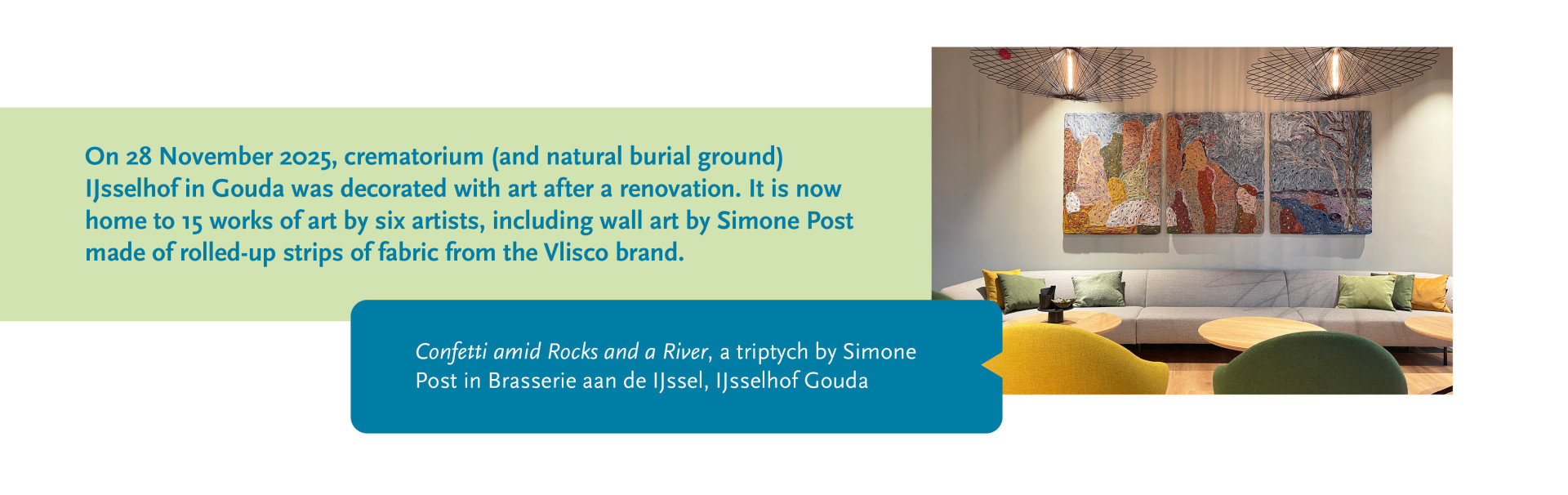
Our funeral locations operate in a clear and consistent manner while considering local customs and preferences. We use protocols and manuals to ensure compliance with applicable laws and regulations, such as the Dutch Burial and Cremation Act. We conduct our funerals in the Netherlands according to the Keurmerk Uitvaartzorg (Funeral Services Quality Mark), which stands for quality of service in the funeral industry. In addition, we apply the Greenleave principles for customers who wish to incorporate more sustainable elements into their funeral arrangements.
We regularly update the funeral protocols and manuals. For instance, in 2025 we redefined our minimum quality standards in Belgium for e.g. ceremonies, collecting the deceased and the final care of the deceased.
We also monitor compliance with our protocols and manuals. In 2025, about 200 mystery calls and 200 mystery visits were made in Belgium in order to monitor and further improve the quality of our service.
While the needs of our customers are important to us, we also consider the interests of other stakeholders when defining our policy. There is demand for laying out the embalmed deceased. In 2025, we therefore set up eight locations in the Netherlands where the decreased can be laid out after embalming and where the safety of employees and bereaved families is paramount. At these locations, we comply with all legal requirements, use special measuring equipment and work with special work instructions and personal protective equipment. We have opted for a regional spread, at locations where demand is the greatest.
Our employees implement our policy on personal services on a daily basis. Our integrity policy for employees explicitly outlines how to address issues such as discrimination, health, and safety. This policy focuses on our employees and how they interact with each other as well as with our customers, bereaved families, and guests.
The Executive Board is the highest echelon of responsibility within the organisation for the policy on personal services. The Management Boards of the business units and the management teams are responsible for developing and implementing the policy within their specific area of focus.
Targets
Measuring customer satisfaction is crucial for DELA. It enables continuous evaluation and improvement so we can provide our customers with even better service. Since our customers' needs and expectations are constantly evolving, their satisfaction is a dynamic metric. By continuously measuring customer satisfaction, we can respond quickly to these changes and adapt our services to maintain a high level of quality. Furthermore, regular evaluations allow us to identify trends and patterns and to be proactive.
We see the Net Promoter Score (NPS) as an important indicator of our customers' well-being and the extent to which impacts are experienced. It is a widely used metric that reflects how likely customers are to recommend our products and services to others. We measure customer satisfaction among policyholders and bereaved families.
Like any organisation, we strive for a high customer satisfaction and review that target annually as part of the business planning cycle. The Management Boards propose these targets in their annual plans. The Executive Board then sets the targets and the Supervisory Board approves them. We inform the general meeting about this annually via the presentation of the business plan.
For 2025 and 2026, this target at group level was 51 for insurance business and 76 for funeral business.
The Executive Board and the Supervisory Board are informed about the NPS results on a monthly and quarterly basis through internal reports. The Management Boards and the Executive Board review these results monthly and compare them with the annual objectives. During these discussions, they critically assess progress and make the necessary adjustments to ensure the organisation remains on track to achieve its targets.
Actions and resources
Practically all employees in our insurance business and funeral business are involved on a daily basis in carrying out our core activities of insurance and funeral services in order to provide customers with the best possible service.
We are optimising our current products and services and developing new ones. This enables us to continually improve our service for customers in all sectors and countries where we operate, based in part on the input that we receive during the year from customers, the general meeting, and the cooperative panel. This involves discussing results, input, and potential improvement actions at team and departmental meetings.
In the funeral business in the Netherlands, the chain processes have been improved so we can provide customers with even better service. The online environment for bereaved families has also been improved. As a result, the online environment provides an overview of appointments that have been made and of relevant information so bereaved families are not dependent on fragmented communications. Bereaved families can use this environment to prepare themselves before discussing things with the funeral provider, which gives peace of mind and clarity.
In addition, the schedules have been adapted to seasonal patterns in order to reduce waiting times. This has made the availability of funeral providers throughout the country easier to follow so bereaved families can be served more quickly.
For our business customers (funeral directors), meetings are regularly organised at our locations in the Netherlands to inform them about the services we offer, catering, and relevant topics for the sector. In addition, these businesses receive the necessary support so they can focus fully on the direct bereaved families for whom they provide the funeral. As DELA, we consequently survey their needs for our services and support to see how we can improve our service. This has led to an extra farewell concept where the family can choose to say farewell informally in a living room setting or in the brasserie.
For the insurance business, our service in Belgium for the new insurance proposition DELA Nalatenschapzorgplan estate insurance has been further developed and implemented. We will start selling this product in 2026.
A sympathetic ear and handling complaints
DELA is a member of various sector organisations for both the insurance business and the funeral business. We follow the law and the rules of these industry organisations in our complaints policy. The Dutch Association of Insurers promotes customer-centric services among insurers and also emphasises the importance of this approach in handling complaints. To encourage a customer-centric approach to handling complaints, the association has established a complaints framework that incorporates the rules from its Code of Conduct for Handling Complaints. The Dutch Association of Insurers expects us to comply with these rules and regularly checks our compliance.
When things go wrong, we actively offer a sympathetic ear and look for solutions. In the Netherlands, customers can find the complaints procedure for complaints and comments on our website and in the policy conditions. Special customer feedback coordinators ensure that complaints, compliments and comments are reported and addressed. In Belgium, complaints are handled according to the guidelines set by Assuralia (the professional association of insurance companies). Customers can file complaints by email or on the website. In Germany, the complaints procedure is documented in the 'Operations Manual', ensuring compliance with the Insurance Supervision Act and European Insurance Distribution Directive. Customers can file complaints on the website or by phone.
Complaint handlers aim to resolve complaints to the satisfaction of the complainant. Customers dissatisfied with the solution can contact our own disputes committee in the Netherlands. This committee consists of four dedicated members of the cooperative and provides binding advice to the Executive Board. In 2025, DELA established an independent disputes committee in Belgium as well for customers who remain dissatisfied after an internal complaints procedure. The committee consists of five Belgian members from the cooperative and one independent chair. This is a free and low-threshold way to handle disputes; it creates transparency, customer centricity, and trust within the cooperative. Its full operation and rules are described on our website. Bereaved families can also contact the Funeral Industry Ombudsman. Dissatisfied policyholders can approach the Institute for Financial Disputes in the Netherlands or the Ombudsman in Belgium. We have not explicitly evaluated whether customers are aware of the complaints procedures.
Our whistleblower policy states that whistleblowers and employees supporting them must not be disadvantaged whether during or after reporting an abuse or disclosing a suspected abuse.
Our handling of complaints is not only focused on resolving specific issues for customers on an ad hoc basis. We also strive to translate their comments into structural adjustments to our working methods to proactively prevent problems. We therefore define actions with clear ownership to address recurring issues and report complaints internally on a quarterly basis through customer feedback reports.
Results
We are proud to have maintained a high level of customer satisfaction for many years. In 2025, the NPS for insurance rose by one point and remained steady for funeral services. We have therefore more than achieved our goal. Key positive feedback highlights include our rapid and suitable responses and personal attention. In addition, we managed to achieve a slight improvement through our continuous emphasis on the right customer experience.
| Target 2025 | 2025 | Difference | 2024 | |
|---|---|---|---|---|
| Insurance services, new and changes | ||||
| Netherlands | 44 | -3 | 47 | |
| Belgium | 64 | +3 | 61 | |
| Germany | 57 | +8 | 49 | |
| Group | 60 | +2 | 58 | |
| Customer service, insurance | ||||
| Netherlands | 43 | -3 | 46 | |
| Belgium | 66 | +3 | 63 | |
| Group | 51 | +1 | 50 | |
| Insurance services, Group | 51 | 55 | +1 | 54 |
| Funeral services | ||||
| Netherlands | 73 | -1 | 74 | |
| Belgium | 83 | +1 | 82 | |
| Group | 76 | 77 | - | 77 |
Privacy
The use of consumer and end-user data is essential for effectively carrying out our core activities. Any leaking of privacy-sensitive data runs the risk of misuse by third parties, potentially leading to negative consequences for customers' well-being. This impact could arise from our own operations or the activities of intermediaries and suppliers; it is related to our business strategy and model.
Our commitment to privacy protection is not only a legal requirement but also a fundamental value for maintaining strong relationships with customers. We understand that our customers' trust depends, among other things, on the careful and safe handling of their personal information. Cyberattacks, such as phishing, ransomware, attacks via third parties and insiders, are a permanent and substantial threat. Ransomware attacks are often accompanied by data theft, which can harm both us and our customers.
The identified potential negative impact concerns our customers, such as members, policyholders, and bereaved families given that their personal data is saved in our systems. All customers who are impacted by our activities are included within the scope of our report. For customers within the insurance chain in particular, we manage certain sensitive data such as Citizen Service Numbers (BSN)/National Register Numbers (RN) for reporting purposes and behavioural and medical data for insurance purposes. We also manage the personal data of potential, current, and former employees as well as the employees of our suppliers and partners. While the potential impact on these groups has not been deemed material, we manage this impact as well with the stated policies and actions.
Policy
We safeguard customer privacy through a data protection policy, backed up by policies on information security, data governance, procurement and outsourcing, and data retention. The purpose of all these policies is to protect the privacy of the data subjects whose personal data we process by preventing the misuse of data and avoiding the processing of incorrect data. These policy documents apply to all parts of the organisation and all employees, guests, visitors, and external relations.
We are committed to maintaining adequate standards of privacy protection, following such guidelines as issued by the Dutch Data Protection Authority, the Dutch central bank, EIOPA, the General Data Protection Regulation (GDPR), and the ISO/IEC 27001 standard, which also applies to our IT suppliers. Our data protection policy is primarily aligned with the GDPR, the leading European legislation. Laws and regulations serve the interests of all stakeholders. Although there has been no specific dialogue with stakeholders regarding privacy policies, policy changes resulting from evolving laws and regulations may be discussed with members at a general meeting.
The Executive Board is responsible for implementing these policies. We provide a comprehensive general privacy statement and a specific privacy statement for employees and suppliers.
Reporting and following up on data breaches
A data breach concerns a personal data security breach where this data can be accidentally lost, is destroyed or altered, or where unauthorised parties gain access to it. Such incidents may be caused by human error, technical problems, or targeted cyberattacks.
We follow a procedure to address every data breach appropriately. Employees are encouraged to report all data breaches so we can handle them quickly and effectively and learn how to prevent future breaches. Once a report is received, we determine whether the data breach needs to be reported to the relevant authorities (Autoriteit Persoonsgegevens in the Netherlands, Gegevensbeschermingsautoriteit in Belgium and Landesbeauftragte für Datenschutz und Informationsfreiheit Nordrhein-Westfalen in Germany) and/or to the data subjects. We perform a required risk assessment to determine the risk profile of the data breach. We report data breaches to the authorities within the required period if there is a risk to the data subjects, and directly to the data subjects themselves if the risk is high.
In the case of incidents and data breaches at processors or sub-processors, the processor reports the incident to the relevant contact person at DELA and our data protection officer. This process is laid down in the contract provisions of the processing agreement. DELA then decides whether to notify the authorities and/or the data subjects.
We reported seven data breaches to the authorities in 2025. We informed customers about 23 data breaches. These data subjects received information from us about the nature of the incident, possible consequences for them, improvement actions from DELA to prevent a repeat, and actions that they can take to prevent damage. There were no severe human rights violations involved in these incidents.
Our data protection officer (DPO) can be contacted regarding the processing and protection of personal data. The data protection officer is available to assist customers in the event of suspected privacy violations or incidents. Contact details are published on our website.
Any complaints about how we process personal data generally reach us via the complaints department. Specific complaints about the processing of personal data are forwarded to the data protection officer. It is then possible to submit a complaint to the authorities, as required by the GDPR. We do not evaluate whether customers are familiar with and/or trust this way of working. Our whistleblower policy states that whistleblowers and employees supporting them must not be disadvantaged during and after reporting an abuse.
The data protection officer is responsible for analysing and reporting the data breaches to the Executive Board. The report is prepared after the end of each quarter.
Actions and resources
Minimising data collection, raising employee awareness, and monitoring security risks are ongoing actions we take throughout the organisation to protect the privacy of our customers and prevent data breaches.
Minimising data collection
We only process personal data for which we have a basis, namely:
- Contractual: this involves the preliminary process for the conclusion and performance of a contract, which is the basis we use most frequently.
- Legitimate interest: this basis is permitted if our interests outweigh the interests or fundamental rights and freedoms of the data subject. The Dutch Data Protection Authority provides guidance that we use to check this processing.
- Legal obligation: we use this basis when we have to process personal data due to a legal requirement, such as compliance with tax legislation.
- Consent: consent must meet many requirements to serve as a basis. All consents obtained are documented in the consent register.
We assess the lawfulness of the basis for data processing with instruments such as a data protection impact assessment and the Data Protection Control Framework. The substantive assessment involves input from a privacy officer; no processing will take place without a legitimate basis.
Addressing material negative impacts requires an integrated approach. We align product design, marketing, and sales with principles of safety, privacy, and transparency. 'Privacy by design' is a crucial principle in this approach.
Raising employee awareness
We also believe that a strong awareness of data protection is essential for a safe and reliable working environment. Specific investments are made in training, tools and structured guidance to strengthen our collective learning curve and responsibility in this area.
Our employees regularly take e-learning courses on privacy and security.
In addition, we have the following initiatives:
- Data Academy: combining theory and practice, this initiative offers employees the opportunity to enhance their knowledge of data, data protection and privacy.
- External training with the International Association of Privacy Professionals (IAPP): we offer this external training to strengthen expertise within our organisation. These programmes ensure employees stay up to date with the latest developments in privacy legislation and best practices.
- Internal training from the data protection officer: our data protection officer provides internal training specifically tailored to our organisation. These sessions provide an understanding of the General Data Protection Regulation (GDPR) and translate legal frameworks into practical applications.
Monitoring security risks
We are actively committed to protecting personal data and privacy in the development and design of our products, processes, and systems. By integrating 'security by design' and 'privacy by design' into our working methods from the outset, we ensure that security and privacy are embedded from the start – not added as an afterthought. This approach means we carefully analyse risks and take actions that optimally protect the data of customers and partners.
In addition, we have an information security management system to monitor security risks. We also have a responsible disclosure programme for reporting vulnerabilities, are connected to relevant central cybersecurity platforms such as i-CERT and CCB and collaborate with a cybersecurity company that monitors our IT environment 24/7. This allows us to ensure data is not breached, respond quickly to incidents, and minimise potential damage.
As a financial institution, DELA is required to comply with the Digital Operational Resilience Act (DORA). The aim of this European regulation is to strengthen the digital and operational resilience of the financial sector. DORA places clear requirements on financial institutions and their suppliers to protect themselves better against cyberattacks, data breaches and other IT disruptions and to guarantee the service continuity, also in crisis situations.
Monitoring
Our processes for identifying necessary and appropriate measures and assessing the effectiveness of actions already taken in response to potential negative impacts are integrated into our Data Protection Control Framework. This framework includes monitoring signals, investigating incidents, applying privacy controls, and conducting risk assessments. These activities are part of our regular risk management process, enabling us to actively address and control privacy-related issues.
Since data breaches are often unique, we evaluate each incident individually to determine appropriate internal controls. A consistent documentation process is used to support our learning ability. To further refine processes, the data protection officer provides feedback to the management body and data owners when patterns or recurring issues are identified. The responsible department is accountable for taking appropriate actions to prevent the recurrence of privacy violations.
No specific metrics or targets have been defined for this impact – nor do we intend to do so. Instead, we focus on preventing and responding to data breaches, minimising data collection, raising employee awareness, and monitoring security risks.
Resources
The data protection officer is supported by 20 specialists (privacy officers, privacy managers, GDPR desk representatives) in maintaining the highest standards of privacy protection within DELA Group. The data protection officer oversees compliance with regulations and policies and informs and advises the Management Board, line management, and employees on the application of relevant laws and regulations.
Privacy officers play an operational role and act as the daily point of contact for employees regarding data protection. They respond to operational and GDPR-related questions, investigate and handle data breach reports, assist with data protection impact assessments, and provide advice during risk assessments related to outsourcing.
We also utilise technology such as access security, encryption, and data loss prevention.
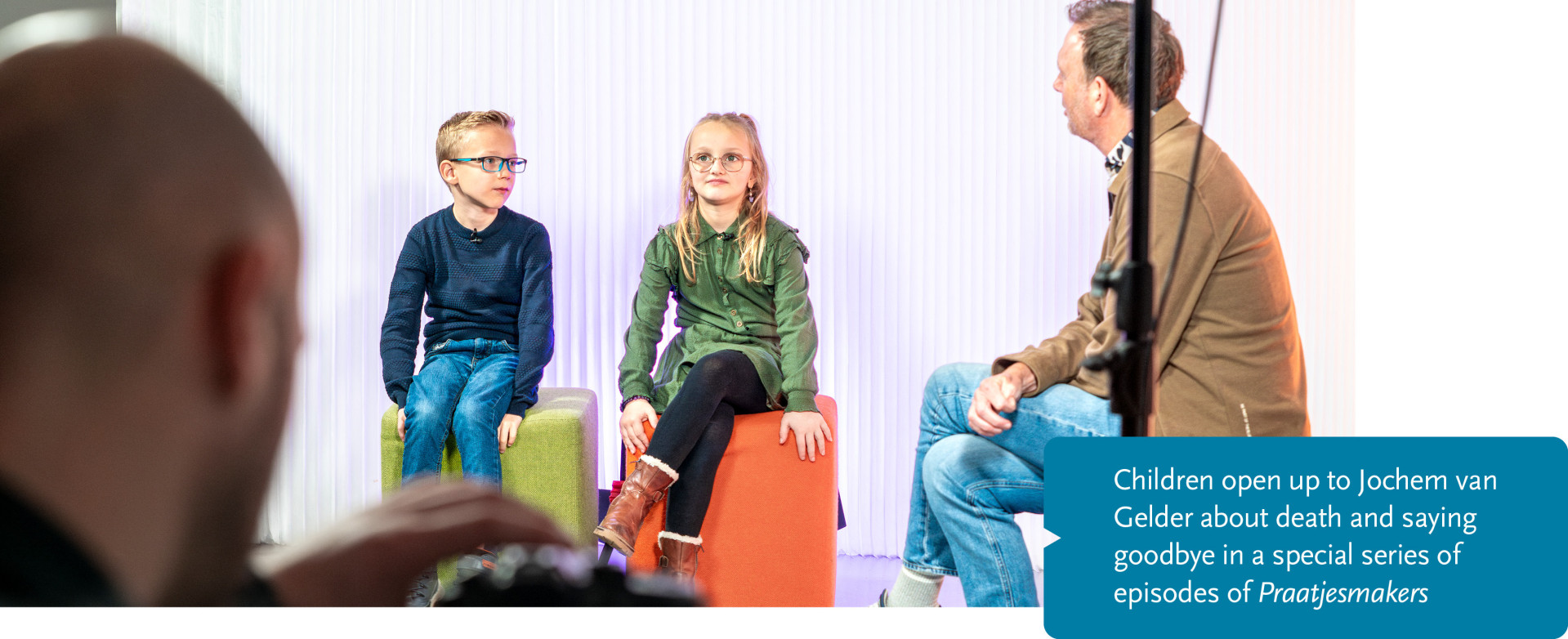
Employees
Employees are the driving force behind our cooperative; they are crucial to our services. Material impacts were identified across three sub-topics in our double materiality assessment:
- Terms and conditions of employment;
- Health and safety;
- Diversity.
Employee demographics
Number of employees at year-end 2025 in FTE's, broken down by gender and country:
| Total | Total | |||||||
|---|---|---|---|---|---|---|---|---|
| Male | Non-binary | Female | number | Male | Non-binary | Female | FTE | |
| Netherlands | ||||||||
| Insurance | 74 | - | 205 | 279 | 67 | - | 158 | 226 |
| Funeral services | 527 | 2 | 1,721 | 2,250 | 377 | 2 | 1,027 | 1,405 |
| Holding company and central services | 184 | - | 152 | 336 | 175 | - | 129 | 304 |
| Total | 785 | 2 | 2,078 | 2,865 | 619 | 2 | 1,315 | 1,935 |
| Belgium | ||||||||
| Insurance | 34 | - | 61 | 95 | 34 | - | 60 | 94 |
| Funeral services | 503 | - | 338 | 841 | 103 | - | 158 | 262 |
| Holding company and central services | 50 | - | 52 | 102 | 49 | - | 51 | 100 |
| Total | 587 | - | 451 | 1,038 | 187 | - | 269 | 456 |
| Germany | ||||||||
| Insurance | 31 | - | 28 | 59 | 30 | - | 24 | 55 |
| Group total | 1,403 | 2 | 2,557 | 3,962 | 835 | 2 | 1,608 | 2,445 |
Additional figures regarding our employee demographics can be found in the sustainability report appendix. See also section 7 of the financial statements: Average number of employees.
During the past year, 587 employees (2024: 581) left DELA. That brings employee turnover in comparison with the average number of employees to 16 per cent (2024: 16). When monitoring employee turnover, we choose to exclude on-call workers because they often have a flexible and temporary employment relationship. Their turnover is less representative of the stability of our organisation as their contracts are by nature short-term and their departure more often driven by external factors. Employee turnover excluding on-call workers amounts to 362 employees (2024: 364) and comes to 12 per cent (2024: 12) in comparison with the average number of employees excluding on-call workers.
Engagement with employees
There is an ongoing and open dialogue between employees and their managers about impacts and well-being. In addition, the annual employee experience survey asks employees what they think. The results are included in the considerations for defining policy and actions. Employees are also actively involved in the course taken by the organisation. The 'Management Board on tour' initiative has been used to share the results of the multi-year policy plan for 2020-2025 and inform employees about the strategic course for 2026-2030.
DELA also has more structured forms of engagement with employees. In the Netherlands, the works council plays a central role in employee representation. It has the right to advise on major business decisions, must approve HR policies, can propose topics, and has access to all necessary information. This approach ensures that changes to our business model, strategy, policy, or services do not lead to significant negative impacts on employees. The works council regularly engages with the CEO and other members of the Executive Board, both formally and informally. It holds six formal meetings a year and engages in ten to twelve informal meetings annually between works council representatives and the CEO. There are also two meetings a year under Section 24 of the Dutch Works Councils Act that members of the Supervisory Board also attend.
In Belgium, employee representation is divided across three bodies. The committee for prevention and protection at work focuses on employee well-being and the prevention of workplace accidents, with ten to twelve meetings per year. The works council addresses financial, economic, and social issues, also meeting ten to twelve times annually. One of these meetings is specifically dedicated to reviewing the previous year's figures, known as the EFI meeting. In addition, the trade union delegation negotiates collective labour agreements and discusses individual cases. These bodies, comprising representatives of both employees and the employer, meet monthly, and elections are held every four years to elect employee representatives.
There is currently no works council in Germany. Due to the current size of the workforce, employees are entitled to initiate the establishment of one.
In 2025, the works councils were actively involved in and provided advice about organisational changes, alteration of the social framework, alteration of the terms of employment, follow-up on the employee experience survey, and the diversity, equity, and inclusion policy. Their input helps to carefully weigh the effect for teams, processes, and development opportunities.
The secretaries of the works councils (for the Netherlands and Belgium) are responsible for organising the meetings. In principle, the group directors and the members of the Management Boards are tasked with considering the outcomes, while the works council has a review role in this process. Since there is no works council in Germany, the responsibility for initiating dialogue lies with the employees themselves, with the organisation facilitating this process.
While there was no proactive evaluation of the effectiveness of the employee dialogues mentioned in 2025, there was no indication that their effectiveness was in doubt.
Complaints and remedial mechanisms
In line with its strategic policy, DELA has implemented several processes and mechanisms that allow employees to report their complaints and concerns. These processes are considered an essential part of the employee engagement strategy; they contribute to creating a safe working environment. Employees can report their concerns and complaints via a range of channels, such as their manager, HR business partners, confidential advisers (internal/external), the whistleblower hotline, or the annual employee experience survey. In Belgium, employees can also report an abuse through the committee for prevention and protection at work .
For employees seeking protection against retaliation, DELA's whistleblower policy includes clear guarantees that no employee will face negative consequences for reporting an abuse. The channels for handling complaints are systematically communicated to employees during their onboarding and through regular HR publications. These channels are an integral part of DELA's organisational culture and policy, ensuring that employees feel heard and supported. This approach ensures that all employees, regardless of their role or location, have the opportunity to raise issues in a safe and confidential manner.
Terms and conditions of employment
The well-being of our employees is a priority at DELA, and our policies and operations are designed to have a positive impact on the well-being of everyone who works for us. This goes for permanent employees and on-call workers as well as external/hired-in workers, such as freelancers, consultants, seconded employees, and temporary workers.
Policy
Our HR policy focuses on creating a positive and motivating working environment where employees can grow and get more pleasure and motivation from their work. This is supported by a wide range of initiatives, from terms of employment and remuneration policy to professional development opportunities.
1. DELA's terms of employment policy offers additional benefits beyond the collective labour agreements for the insurance and funeral sectors in the Netherlands and Belgium. This policy emphasises fair pay, transparency and attractive terms of employment. In Germany, where we have no collective labour agreement, DELA has a terms of employment policy which is similar to that in the Netherlands and Belgium.
2. DELA's remuneration policy is based on the strategy, risk appetite, objectives, and long-term interests of the organisation. The remuneration policy is also competitive, ensuring that total remuneration and growth opportunities are appropriately aligned with the market (which is regularly evaluated externally), job level and personal performance.
3. DELA finds it important for everyone to keep developing themselves so that employees derive more pleasure from their work. Individual development takes place in conjunction with team development, where development needs are aimed at strengthening and achieving DELA's strategic objectives. Employees are given room for personal and professional growth by putting an emphasis on learning in daily practice, training, education, and coaching, whereby they can boost their competences, skills, job satisfaction, and motivation.
Potential employees receive (or are referred to) the key policy documents along with their employment contract. This also applies to employees with a service contract. For non-employee workers, the key policy topics are explained during their introductory programme. Managers are the primary stakeholders responsible for helping implement the policy, supported in this role by the HR departments.
The Executive Board is the highest echelon of responsibility within the organisation for the policy on good employment practices. The Supervisory Board ensures that DELA maintains a diligent, controlled, and sustainable remuneration policy that is aligned with the long-term strategy, risk appetite, objectives, and core values. The Executive Board is responsible for implementing the remuneration policy as approved by the Supervisory Board and for making proposals regarding this policy. HR departments are responsible for developing HR policy in line with the strategy, with managers being responsible for its implementation.
Targets
We see the results of the employee experience survey among the permanent employees in the Netherlands, Belgium, and Germany as a key indicator of how the well-being of our employees is developing and the extent to which they experience impacts as positive or negative. This involves assessing the employee Net Promoter Score (eNPS) and asking all sorts of questions about good employment practices, engagement, social safety and inclusion, leadership, teamwork, ownership, customer centricity, and change management. The associated target is reset each year within the business planning cycle.
In 2025, we aimed for an eNPS of 39. For 2026, we aim for a continuation of the average score of 7.7 across all topics and an increase in the eNPS by 2 points to 32.
Actions and resources
To make a positive impact on the well-being of our employees, we continuously invest in terms of employment and working conditions, such as by acting on the results of the employee experience survey and offering opportunities for development.
Follow-up on employee experience survey 2024
Because the results of the employee experience surveys were announced late in 2024, follow-up took place in 2025. The employee experience survey once again showed a high level of engagement but also several areas that could stand improvement. Each team and every department defined actions for improving job satisfaction. These actions were included in team plans and individual learning and performance plans. Progress on the actions was monitored on a monthly basis and reported to the Management Boards, and the necessary adjustments have been made.
Follow-up on employee experience survey 2025
We discussed the results of and follow-up on the employee experience survey in the Netherlands and Belgium with the Management Boards, the management teams, the teams, and the works councils. The outcomes vary by country, department, and team. The teams and departments therefore mainly take their own targeted actions to improve job satisfaction. In addition, we also take several centralised actions.
In all countries, an important central focus is on improved management and support for employees in the event of changes in the organisation, including better communication in this area. This gives employees a better understanding of how their work helps to achieve DELA's goals. The aim is to boost their sense of connection and appreciation. In the Netherlands, we are also working to create greater clarity about functions and roles, especially at the head office.
Learning and development
We encourage employees to bring out the best in themselves every day through team plans and personal development plans. A targeted range of training sessions and workshops support this, and we also link learning opportunities to our organisational objectives.
Monitoring
DELA continuously monitors and evaluates the impact of its policy and actions in the workplace, with managers playing an active role in this process. In addition, absenteeism and employee turnover figures are monitored and reported in monthly and quarterly reports. These results are discussed at meetings of the Management Boards and with HR business partners, who review the data with the management teams to take targeted actions.
In addition, an annual employee experience survey is conducted among all employees to evaluate performance relative to the eNPS target and the wider impact on our policy.
Based on this evaluation, we assess each year whether current actions should be continued or if additional actions are needed.
Resources
To ensure good employment practices, DELA employs 55 employees (49 FTEs) in the HR departments across the different countries. In addition, external consultants, company medical officers, coaches, training institutes, and other specialists are engaged when necessary.
Results
The eNPS is 30, which is still high but less than our target of 39. The response was 85 per cent.
In the Netherlands, the eNPS has risen by two points, mainly thanks to improvements in the funeral business. At the same time, the score decreased for holding company and central services, part of which was due to questions about the new strategic course. In Belgium, the eNPS fell by 15 points, especially in holding company and central services and in the funeral business. The decrease for holding company and central services is due in part to departmental projects – such as digitalisation – that have a large impact and, just like in the Netherlands, because of questions about the new strategic course. The drop within the funeral business had to do with the further streamlining of processes. We are working on a more uniform provision of services at all Belgian locations, so employees still need some time to adjust. The eNPS in Germany remains stable, which is a good result for a business unit that is building its position in the market.
We see that employees in all countries want to know more about the new strategic course. We are taking an active approach to this with extra communication, such as during 'Management Board on tour', and clear steps to give employees a better understanding of the changes and their impact.
| Target 2025 | 2025 | Difference | 2024 | |
|---|---|---|---|---|
| eNPS | ||||
| Netherlands | 29 | +2 | 27 | |
| Belgium | 39 | -15 | 54 | |
| Germany | 10 | - | 10 | |
| Group | 39 | 30 | - | 30 |
The engagement score is 8.1, which is slightly higher than last year (2024: 8.0). Employees indicate that they are proud of DELA, feel at home in the organisation and that they enjoy and get energy from their work.
Thanks to the high scores for good employment practices in the employee experience survey, DELA in the Netherlands and Belgium received Effectory's World-class Workplace label. This label is for organisations that outperform the benchmark for eNPS and employment practices.
Health and safety
Three material impacts have been identified in our double materiality assessment related to the health and safety topic:
- A potentially disrupted work-life balance, particularly for employees in the funeral business
- The nature of work in the funeral sector can be mentally and physically demanding for employees
- Employees who interact with customers may be confronted with aggression from policyholders, bereaved families, guests, or visitors
These factors can negatively impact employee well-being, potentially leading to health issues, absenteeism, or even employees leaving their job prematurely.
Policy
Ensuring a healthy and safe working environment is important for the well-being of all our employees. DELA's policy generally applies to salaried employees in the Netherlands and Belgium. No such policy has been defined for Germany to date. External and hired-in workers also enjoy the good, healthy, and safe working environment that DELA creates for employees with its policy.
This is anchored in three policy documents within DELA on integrity, health and safety / prevention, and employability / attendance:
- Integrity policy
This emphasises the importance of safe and pleasant working conditions, where everyone feels comfortable and enjoys their work. Respectful interaction is a core principle at DELA. - Health and safety / prevention policy
This policy promotes employee health and safety and reduces workplace risks. Our approach embraces the concept of positive health and personal responsibility. The policy not only contributes to reducing work-related accidents and diseases but also boosts employee satisfaction and motivation. An emphasis on healthy and safe working practices has a positive effect on motivation and productivity and also reduces absenteeism. - Employability / attendance policy
The basis for this policy is our vision on employability, absenteeism, and health. At DELA, we do everything we can to create a working environment that is pleasant and enjoyable. The policy focuses on employees who are fit for work, employees who are on sick leave and those who are returning to work.
As the terms of employment policy mentioned in the previous section also has an effect on a healthy and safe working environment, it was revised in 2025 for employees in the Belgian funeral business to create a better work-life balance. One aspect that is included now is the timely announcement of work schedules.
We continuously ensure that employees are aware of the various factors that influence their health and employability. An employee's own behaviour also plays a significant role in this regard. We view health not only as the absence of sickness but also as enjoying one's work.
The responsibility for setting up workplace health and safety services rightly lies with us as the employer. We comply in this respect with the law, which requires us to be assisted by registered experts, such as company medical officers, occupational consultants, or a certified health and safety service, in our absenteeism and rehabilitation process. We apply the statutory customised approach, which is aligned with our view on employment practices. This means we offer tailored support that suits the individual situation of each employee.
In Belgium, the committee for prevention and protection at work oversees the health and safety of all employees in the workplace. The committee keeps watch over health and safety at work, oversees the well-being policy within DELA, and takes active initiatives to promote employees' well-being.
Nearly all salaried employees are covered by the workplace health and safety management system. Employees of several subsidiaries, joint ventures and majority shareholdings where DELA does not have operational control fall under the management systems of these respective companies.
Actions
It is important to us for all employees to be physically and mentally healthy and able to perform their job, both now and in the future. We have not set any specific targets for these impacts – nor do we intend to do so. Instead, we focus on taking actions to improve the health and safety of our employees.
We invest in safety actions and health programmes, ensuring that employees feel valued and protected. This includes training about physical stress, dealing with inappropriate behaviour (aggression), first aid, and road safety.
To reduce absenteeism, we place a strong emphasis on the personal responsibility model, and various preventive initiatives are under way. We also continue to focus on reducing the pressure of work in the funeral sector as employees directly involved in funerals often experience high pressure of work. Although we have seen some improvement, this remains a point for attention.
In 2025, we saw optimisation of the work schedule policy for funeral providers in the Netherlands. The Scheduling topic group has translated the existing national policy rules into five basic rules to give regions more autonomy and practical flexibility. The content of the policy has remained unchanged, but now its application is better aligned with the daily practice.
In addition, we obtained more information on the availability of funeral providers nation-wide, and work schedules are better aligned with demand. This enables us to remain adequately responsive during busy periods as well without sacrificing quality and personal attention. Employees' work-life balance has also been analysed in order to further improve the work schedule policy where necessary.
For Belgium, a Comprehensive Health and Safety Plan 2026-2031 (policy plan) is in place. Along with its associated actions, this plan has been communicated to employees and is available for reference on the intranet. Topics such as the prevention of workplace accidents, fire safety, ergonomics, and managing psychosocial work stress are included. The plan also provides for regular training and includes periodic inspections. Reports on these activities are regularly shared with the committee for prevention and protection at work.
We place great emphasis on the rehabilitation of those employees who become incapacitated for work in spite of all precautions. We focus strongly on sustainable rehabilitation programmes and the consistent application of the employability / attendance policy. This policy is aimed at actively promoting high attendance, the timely detection of and follow-up on absence, and support for employees for a speedy, responsible, and lasting return to work. This concerns integrated collaboration where the HR business partner, manager, company medical officer, and the health and safety officer are closely coordinated with one another.
To prevent workplace accidents, we use protocols and organise various training sessions focused on health, safety and well-being. Some examples are training on the correct way to carry coffins and on how to handle aggressive customers. The health and safety officer regularly visits locations to assess and advise on working conditions. An audit team also conducts regular inspections to identify risky situations and ensure that all activities comply with the applicable safety regulations. For employees at the head office, an emphasis is placed on ergonomics and preventing physical strain. We also strive to prevent workplace accidents by ensuring that all incidents, whether large or small, as well as hazardous situations, are reported through our HR system, health and safety officers, HR business partners, confidential advisers, managers, or anonymously via whistleblower software, in order to take appropriate action.
Recovery mechanisms
Employees and managers are involved in individual recovery processes and, in some cases, supported by a company medical officer and/or an internal or external coach. The manager checks in with the employee regularly to monitor recovery, evaluate rehabilitation and make any necessary adjustments in the work process. In the Netherlands, 80 per cent of the managers have completed Eigen Regie ('personal responsibility') and/or Duurzaam in gesprek ('lasting dialogue') training. In Belgium, all managers have completed the latter session, where they received tools for effective and constructive dialogue in this area.
In 2025, all Belgian managers completed resilience training with a view to dealing with the pressure of work in a healthy manner and boosting their resilience. Employees were also given the opportunity to take part. The sessions provided insight into how pressure of work is experienced – aside from the actual workload – and practical tools were offered for how to deal with it.
At the same time, an emphasis was placed on promoting positive team dynamics and a supportive working culture. Resilience is seen as a shared responsibility, where both the organisation and employees play an active part.
HR business partners also serve as a link between employees and managers. They have the capability to evaluate whether individual recovery processes are progressing well based on feedback from employees. The Management Boards are responsible for identifying trends and proposing general recovery actions. They are also accountable for assessing the effectiveness of these recovery actions. They receive data / input on their effectiveness from the managers.
Monitoring
The employee experience surveys show to what extent employees experience a good work-life balance and how they experience the pressure of work. We also monitor absenteeism monthly by department, region, and location to evaluate whether existing actions are effective and additional actions are needed. Additional actions are taken at team, location, department, country, or even group level if the results of the employee experience survey, the absence rate, or an unfavourable employee turnover rate so dictate.
Results
In 2025, 24 workplace accidents (2024: 55) were reported. The percentage of workplace accidents per one million hours worked is 5 per cent (2024: 12).
The total absenteeism rate in 2025 due to sickness, personal reasons, and other causes is 6.7 per cent in the Netherlands (2024: 7.4 per cent), 7.2 per cent in Belgium (2024: 7.8 per cent), and 7.2 per cent in Germany (2024: 6.9 per cent).
All (100 per cent) salaried employees at DELA are entitled to family leave (maternity, paternity, parental, and care leave) under social policy and/or collective labour agreements.
Diversity
DELA runs the risk of a negative impact on the well-being of existing and potential salaried employees if diversity and inclusion do not receive enough attention within its operations. This may lead to a less inclusive working environment and a less diverse composition of the workforce, where not all employees feel valued and respected and potential employees are less likely to join our company.
The possible negative impact may be felt especially by employees from minority groups. However, there is no information on whether these employees actually run a higher risk of negative impact due to inadequate diversity, equity and inclusion.
In 2025, we defined policy, targets, and actions to manage this potential negative impact. This includes the involvement of a working group with interested employees in addition to several members of the Management Board, HR departments, and the works councils in the Netherlands and Belgium.
Policy
DELA seeks to become more diverse and to be a place where people with different perspectives, backgrounds, knowledge, and experience feel welcome, seen, and appreciated. Diversity, equity, and inclusion are essential conditions for sustainable growth, innovation, and meaningful employment practices. A diverse and inclusive organisation enables us to utilise different perspectives and better meet the needs of a changing and ever more diverse customer base. The policy is aimed at four dimensions of diversity: gender, cultural diversity, distance from the labour market, and neurodiversity and personality profiles.
In addition, the integrity policy specifies that discrimination and intimidation are inappropriate. In Belgium, the work regulations explicitly refer to inappropriate behaviour based on age, marital status, birth, fortune, religious or philosophical conviction, political conviction, trade union affiliation, language, current or future state of health, disability, physical or genetic characteristics, social background, nationality, race, skin colour, descent, national or ethnic origin, gender, sexual orientation, gender expression, and gender identity.
Targets
DELA seeks to develop into an organisation where all people experience equity and inclusion. Awareness plays an important part in that because unconscious biases and existing patterns could hinder change.
In 2026, we will analyse the current composition of our workforce. We will use the results as a basis to formulate specific and measurable objectives. In addition, we will explore whether employees who identify with a minority group experience equity and inclusion to the same degree as the dominant group.
Actions
Our actions for 2026 include the following:
- Awareness: discussion of the policy in the Management Boards of the insurance business and the funeral business
- Inflow and advancement: training on bias-conscious recruitment and selection for recruiters and managers, including revising and checking the wording of vacancy announcements
- Inclusive leadership: inclusion of inclusive leadership in the leadership profile
- Equal pay: review of differences in pay between men and women
- Internal communication: making diversity and inclusion more visible in internal communication
Monitoring
An annual employee experience survey is conducted that includes questions about the degree of inclusion experienced. Additional actions are taken at team, location, department, country, or even group level if the results of this survey so dictate.
Results
The gender distribution at the senior management level is as follows:
| 2025 | 2024 | |||||||
|---|---|---|---|---|---|---|---|---|
| Male | % | Female | % | Male | % | Female | % | |
| Executive Board | 2 | 50% | 2 | 50% | 2 | 50% | 2 | 50% |
| Management Boards | 9 | 75% | 3 | 25% | 6 | 60% | 4 | 40% |
| Other senior management | 35 | 64% | 20 | 36% | 32 | 70% | 14 | 30% |
| Total | 46 | 65% | 25 | 35% | 40 | 67% | 20 | 33% |
Business conduct
At DELA, we understand that our services are often connected to significant moments in the lives of our customers. At DELA, integrity comes first in everything we do. As a service provider, employer and buyer, we are determined to act with integrity in all our activities. It is for good reason that this is one of our core values.
Our double materiality assessment has identified one material impact in this area. We have a positive impact on stakeholders through our corporate culture by influencing their well-being. When identifying and assessing our impacts in the area of business conduct, we considered our role in the insurance and funeral services value chains in all three countries where we operate.
Policy
The integrity policy consolidates internal agreements, DELA-specific regulations and legal requirements. Local regulations may result in variations or different emphases. The integrity policy focuses on both our own employees and the parties we work for (customers) and with (suppliers, intermediaries and funeral directors). Our policy clearly describes which rules employees must follow to act with integrity. Areas covered by the policy include the following:
- Safeguarding performance of integrity-sensitive roles
Integrity-sensitive roles carry an increased risk. All members of the Management Boards and employees who fall directly under a director and who manage or are part of a management team qualify as integrity-sensitive roles. Various other roles such as actuaries, auditors, lawyers, portfolio managers, and risk managers are also considered integrity-sensitive. As a result, we place extra emphasis on integrity during the recruitment and selection of new employees and internal appointments to such positions. This approach is documented in our pre- and in-employment policy (PEIS), which includes a list of integrity-sensitive roles in accordance with the Dutch Financial Supervision Act. - Conflicts of interest and corruption
Conflicts of interest can undermine the integrity of our employees, posing a risk to our organisation. Sometimes, a conflicting personal interest may arise alongside a business interest, potentially (or seemingly) influencing our operations or decision-making. It is crucial that employees actively strive to prevent this, remain vigilant and deal with such situations appropriately. Doing so will prevent or minimise potential harm to the organisation and individuals involved. - Inappropriate behaviour
We foster a safe working environment where all employees, internal and external, feel comfortable and safe and can perform to the best of their ability. In line with our core values, we treat each other with respect. Inappropriate behaviour such as bullying, aggression, discrimination, violence, and sexual or other harassment is unacceptable. What matters is that the individual involved perceives the behaviour as inappropriate. We understand that this boundary is different for everyone and can change over time. - Whistleblower policy
DELA's policy on protecting whistleblowers is outlined in our whistleblower policy, which is aligned with laws and regulations. We aim to create a safe and ethical environment for all individuals who work for and with us. Nevertheless, irregularities can occur, and we encourage everyone who works or has worked for or with us to report any suspicions. The whistleblower policy states that whistleblowers and employees supporting them must not be disadvantaged whether during or after reporting an abuse or disclosing a suspected abuse. A condition for this protection is that employees must have reasonable grounds (supported by facts) to believe the information accurate at the time of the report. - Unfair competition
Competition is an important foundation of good business conduct and integrity. It keeps us focused on costs and our products and services, which is essential to generating customer appeal. At DELA, we run our business with respect for honest competition. Members of the Management Board and employees who fall directly under a director and who manage or are part of a management team in the Netherlands therefore fall under the Competition Compliance Regulations. - Private investment transactions
DELA invests in financial instruments, partly through external asset managers. Price-sensitive or other confidential market information may be present within the organisation, and this is handled with great care. The information must never be used for personal gain, and our private investment transactions regulation applies to all employees. This regulation is based on the Dutch Financial Supervision Act and underlying decrees. Compliance with this regulation is essential to manage integrity risks and protect our good reputation.
Although we do not accept any integrity-related incidents that could harm our reputation or financial position, they can sometimes occur despite all the precautionary measures. Our incidents regulation clearly outlines the steps we take in the event of an actual or suspected incident to minimise the negative impact as much as possible.
The integrity policy applies to the value chains and focuses on both our own employees and the parties we work for (customers) and with (suppliers, intermediaries and funeral directors). The works councils in the Netherlands and Belgium were consulted in developing the integrity policy, while the interests of customers are represented by e.g. the general meeting, which is also consulted on major policy changes. The integrity policy has been approved by the responsible Management Board.
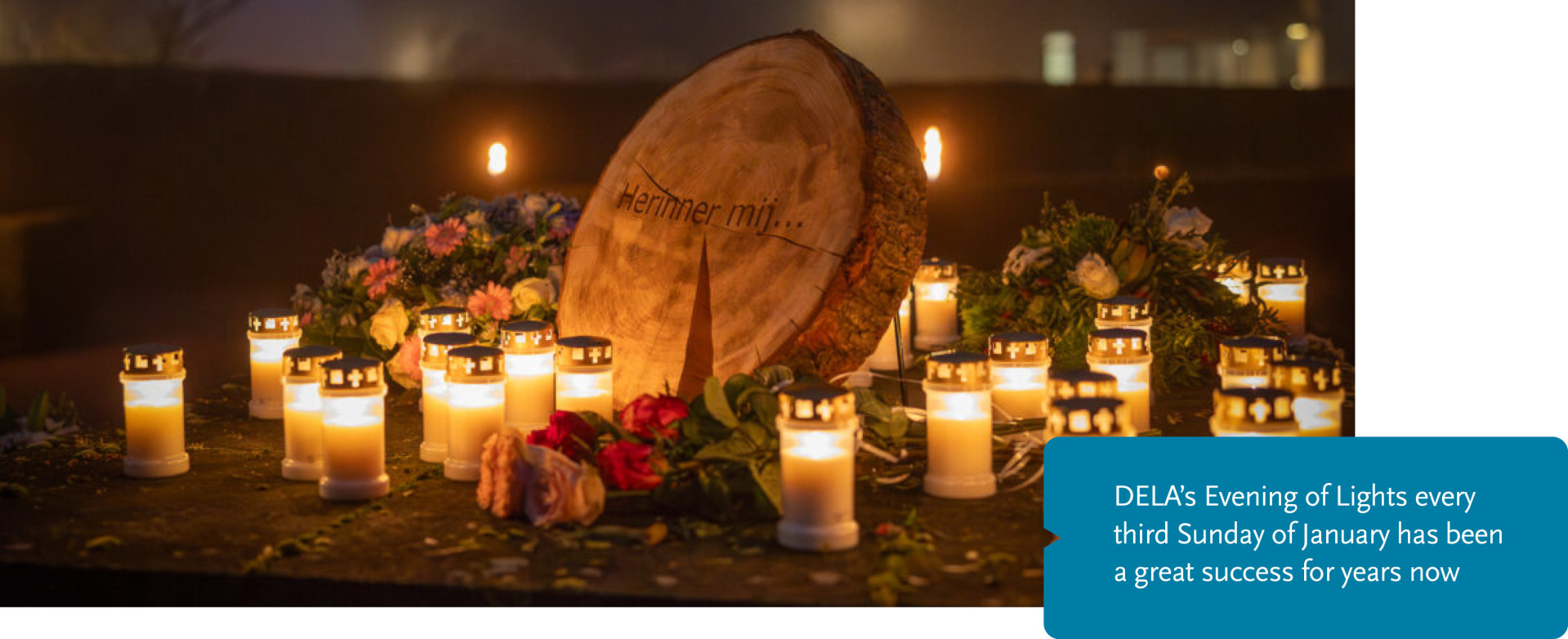
We place great value on aligning ourselves with existing initiatives and standards. As a voluntary member of the Dutch Association of Insurers, we commit to complying with several codes of conduct, including the following:
- The Code of Conduct for Insurers 2018 (the Netherlands): this code of conduct covers the core values of the Dutch insurance industry.
- Competition Compliance Regulations: we follow the scheme of the Dutch Association of Insurers to safeguard fair competition.
- Code of Conduct for Handling Complaints: we have adopted the rules from this code so that complaints by customers are handled correctly and in a timely manner.
Compliance with these codes of conduct by the members of the Dutch Association of Insurers is monitored by the foundation for insurer compliance, Stichting toetsing verzekeraars.
The integrity policy is made available to various target groups. New employees receive a copy along with their employment contract, and significant emphasis is placed on this during introduction days and the onboarding programme. In addition, new Dutch policyholders receive a reference to the Code of Conduct of the Dutch Association of Insurers with their policy, which outlines our core values regarding integrity. For our Belgian policyholders, a summary of our duty of care policy is included in the 'General Duty of Care' brochure, which is easily accessible via our website and the product webpages of the Uitvaartzorgplan funeral insurance. Our general website also highlights how integrity is a core value for policyholders and suppliers. Our customer contact centre supports compliance with these standards, with employees well-informed about our policy and ready to answer questions and provide support.
Actions
No specific metrics or targets have been defined for this impact – nor do we intend to do so. Instead, we focus on promoting a culture of integrity.
Promoting a culture of integrity begins with integrating our core values into our everyday work. By embedding these into personal and team development plans and discussing them in team and department meetings, we keep the topic front of mind and ensure it resonates within the organisation. Moreover, a culture of learning and performance encourages employees to take responsibility for their own actions and hold each other accountable for behaviour that deviates from our standards. All salaried employees take an integrity oath upon joining our company. The annual employee experience surveys show how integrity is experienced and complied with within the organisation; they offer points for improvement. These are ongoing actions.
In 2025, a programme was started in Belgium that will place further emphasis on our core values (engagement, integrity and innovation, EII) internally and will continue in 2026. In this programme, we together with managers and 16 EII ambassadors will ensure step by step that our warm family culture goes hand in hand with a strong focus on results. This programme includes the introduction of a package of tools, the use of coaches during the familiarisation process for new employees, and 'Giving feedback on EII conduct' training.
In addition, we have had an ethics committee in the Netherlands since 2024. Made up of the CTO, the secretary of the board and four employees from the insurance business, funeral services, and holding company and central services, this committee is facilitated by a professor of ethics. The committee discuses ethical dilemmas put forward by the organisation. The meetings are aimed at deepening our norms and values and showing their impact. The ethics committee gives advice that contributes to ethical decision-making by the management. In 2025, it met twice to discuss matters such as centenarians in the portfolio and the bereaved families desk's telephone contact with confused callers.
In 2025, we placed an extra emphasis in the Netherlands on improving the psychological safety of employees. Several teams took an e-learning course followed up by a team session to work on this point. Good leadership also contributes to the psychological safety in teams. The scores in the employee experience survey for both leadership and social safety have improved since the previous measurement.
We also believe in the continuous development and education of our employees, including in the area of business conduct. We therefore offer a range of training programmes tailored to the needs of different roles and locations. For example, the Dutch account managers, product managers and quality managers who work for the insurer have all obtained certification related to the Financial Supervision Act. This certificate is essential for their work and enables them to advise customers competently. In the Netherlands, new colleagues at the customer contact centre and the external in-house call centre must obtain the basic certification within four months of employment to ensure they are well-prepared for their role. They also follow the 'permanent education' programme to keep their knowledge up to date. In Belgium, customer contact centre colleagues who interact with Belgian DELA intermediaries follow the FSMA 'basic knowledge' and 'general life insurance' modules.
Customer care colleagues who also have direct contact with Belgian insurance customers likewise complete these modules within two years of employment. This ensures they are well-informed and can provide customers with optimum support. Our portfolio managers and analysts pursue training for VBA or CFA certification, where acting with integrity is a central focus.
Within our funeral business in the Netherlands, funeral directors undertake training to become registered and obtain a nationally recognised diploma (NaVU). This diploma confirms their expertise and their ability to deliver high-quality services. New funeral directors must successfully complete this training within one year of joining. To keep their knowledge and skills up to date, they earn NaVU points annually as part of their permanent education programme. In Belgium, employees in the funeral sector follow a training programme at our own DELA Funerals Academy. Specific training requirements and completion timelines have been established for all roles, and participation is monitored.
Monitoring
Management monitors compliance with the integrity policy via the SIRA process. This is the systematic integrity risk analysis for financial institutions, which is used to identify, analyse, and mitigate integrity risks, such as money laundering, fraud, and corruption. We can also use the customer (NPS) and employee experience surveys (eNPS) to track whether our stakeholders keep experiencing the positive impact of our corporate culture. In addition, the annual employee experience survey reviews whether employees feel comfortable talking about their own mistakes and about the conduct of their colleagues and manager The vast majority – more than 90 per cent of respondents – expressed a neutral or positive opinion in 2025.
Reporting and following up on irregularities
The whistleblower scheme explains how to safely report suspicions of irregularities, including in the area of business conduct, both internally and externally. Stakeholders can report concerns about non-compliant behaviour and business conduct through various channels. We distinguish between abuses, integrity-sensitive incidents, and other irregularities.
In the Netherlands and Germany, those involved can report an abuse to a hotline or via our website. In Belgium, this can be done by using special whistleblower software. Reports can come from employees, volunteers, board members, service providers, suppliers, and subcontractors. An impartial officer evaluates each report and responds within seven days. If an abuse is identified, we initiate an internal or external investigation and keep the whistleblower informed. Within eight to twelve weeks of the acknowledgement of receipt, we provide information on the substantive assessment and any follow-up steps. If the report concerns the Executive Board or Management Board, the Supervisory Board clarifies the approach to be taken.
Integrity-sensitive incidents without any actual or suspected abuse can be reported to anti-fraud coordinators and contact persons. They assess and follow upon the report. The follow-up process varies depending on the nature of the incident. If necessary, we report to the relevant regulator. In the Netherlands, this way of working had already been established in the 'Handling report of suspected fraud' (Afhandeling melding vermoeden van fraude) process. In 2025, this way of working was also established for Belgium and Germany.
Employees can always approach confidential advisers or their manager for advice and support in cases of an actual or suspected abuse, integrity-sensitive incidents and other irregularities. Five confidential advisers are available in the Netherlands, including one external adviser. Eleven internal confidential advisers are available in Belgium. All of our confidential advisers have taken part in external training with specialised professionals. This provides them with the knowledge, skills, and sensitivity needed to provide employees with optimum support in confidential matters. A confidential adviser will be appointed in Germany starting in 2026; employees can seek advice from the HR manager until that time.
In addition, employees in Belgium can contact the external service for prevention and protection at work. In that case, the confidential adviser from the external service will invite the colleague to a meeting at one of their offices. Further follow-up will depend on the situation.