Our strategy
Our strategy
The origins of our cooperative are rooted in using the power of solidarity to offer a dignified and affordable funeral for all, regardless of position or status. Established in 1937, DELA provides financial security and caring services as people say goodbye to their loved ones. We help pass on memories, experiences and values.
This is achieved by means of practical and financial support. We share the profits we make with our members. Sometimes this results in a lower annual increase in the premium and, when things are less positive, we all pay slightly more. Members help determine our policy and further develop our services during the general meeting. Solidarity is key to everything we do, enabling us to reap the rewards together and provide mutual support. The name DELA reflects this, being short for Draagt Elkanders Lasten in Dutch – to carry each other’s burdens.
Mission
Solidarity and continuity are two interrelated and intrinsically linked starting points and goals, which we have translated into the following mission: “We use the power of solidarity to connect society, secure the continuity of the cooperative and care for each other.”
'In 2030 our cooperative will have strengthened the sense of solidarity within society'
Ambition
DELA is an expanding and thriving cooperative. We have remained loyal to the essence of where we started and this remains a prime aspect of our mission. At the same time, we are constantly evolving as we find new ways to broaden and give meaning to the principles of solidarity and continuity in the future.
DELA has the following goal: “In 2030 our cooperative will have strengthened the sense of solidarity within society.” We will realise this in various ways, including by growing in the domain of ‘saying goodbye and remembering’. This means attracting new members and retaining existing ones by increasing interactions and enhancing our relationships, which in turn promotes the sense of solidarity. We are also looking to expand the services and products we provide to members, policyholders and the bereaved within our domain. A good example is the high-quality services designed to meet the specific emotional needs which arise at times of grief.
To realise our ambitions by 2030 we are broadening our activities and providing new services to promote solidarity via a separate entity called Voor Elkaar Holding (‘voor elkaar’ means ‘for each other’ in Dutch). This holding was established to be a part of and make investments in companies which promote solidarity and cohesion in society, taking the scalability and financial health of these companies into account.
Specific attention is paid to offering support for informal caregivers and providing financial guidance. These kinds of initiative are designed to improve people's well-being, which then strengthens the continuity of the cooperative model and helps us make a meaningful contribution to a closer society.
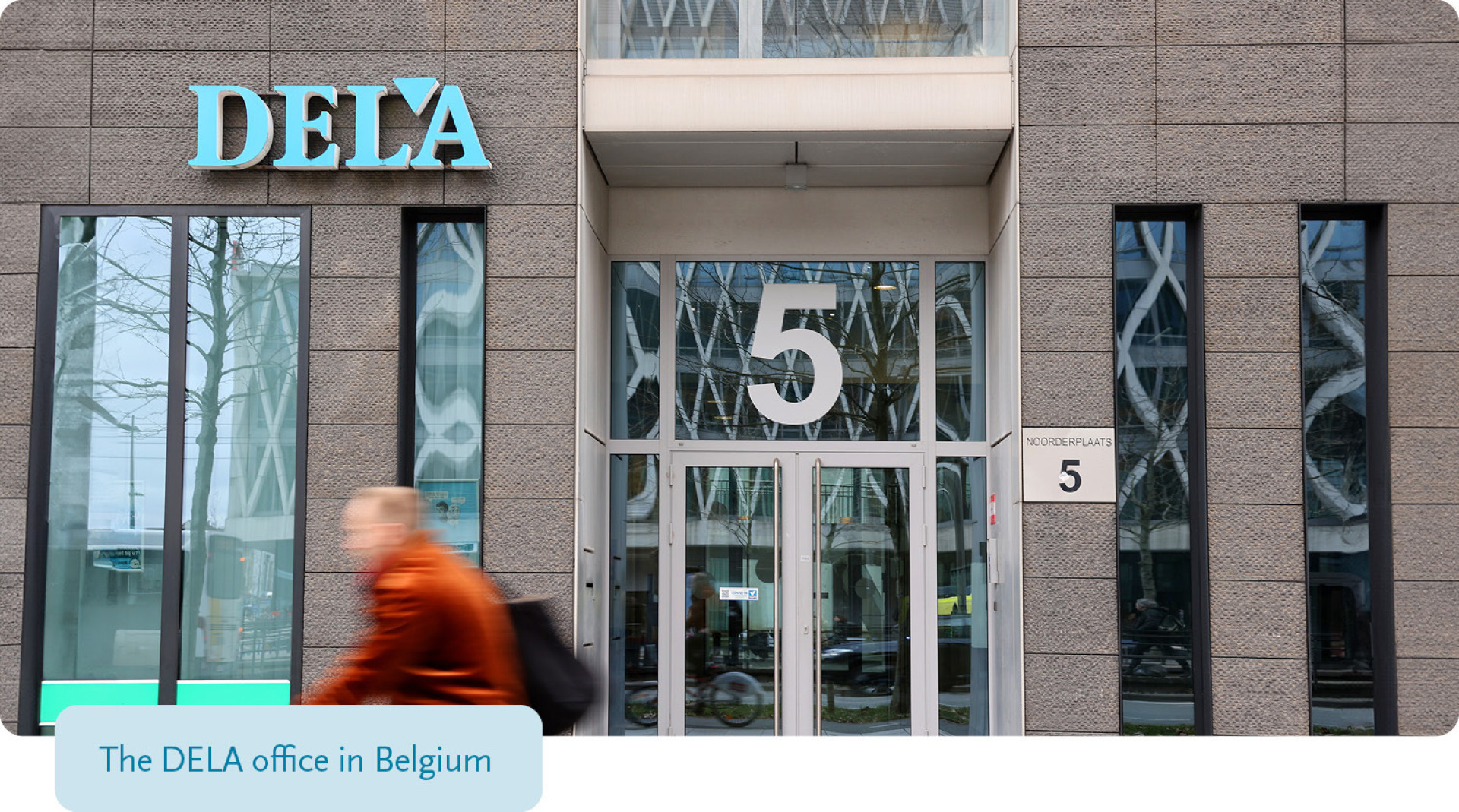
We also aim to grow further in Belgium in terms of both the number of people insured and in funeral market share. This will be achieved in various ways, including taking majority interests in other organisations such as in Borgno (Mons) and via acquisitions like those of Marion (Namur) and Vanheste (Bruges). The foundation for further growth is to use the strength of the group to shape a strong and recognisable funeral formula with personal service and a sustainable, healthy business. We want to be seen as a warm, reliable, empathic and inclusive organisation in our field. In concrete terms, this means more and better (online) communication and giving our members a voice in the development of our activities. We are hereby looking at initiatives that have long been active in the Netherlands in this framework, such as a member panel and magazine, as well as organising informative member events.
DELA Germany aims to solidify the current relationship with and services for the brokerage segment. In addition, we have clear growth ambitions for the German market, aiming to communicate directly with (potential) policyholders to show that we are experts in the field of after-care for the bereaved (‘Hinterbliebenenvorsorge’). We are also entering into various partnerships to give an additional impulse to the direct sales channel, for which we are currently setting up systems and teams.
We are making every effort to listen to our members, communicating with them directly, understanding their needs and providing personal services and custom-made solutions. In the Netherlands this is achieved via direct distribution rather than using intermediary channels. This requires energy, commitment and input from all employees, along with good employership on our part.
Our national organisations maintain a focus on extensive cooperation among themselves. This includes partnering up with regard to the (IT) infrastructure, risk management, compliance with legislation & regulations and advanced HR and Finance programmes. We all benefit from the shared expertise and best practices, allowing us to better align products and services to local needs and preferences, while also utilising synergy opportunities.
Corporate Social Responsibility
DELA was established based on the strength of the collective and the concept of caring for one another. We want to take our responsibility in passing on a clean and fair world to future generations. To realise our ambition and in line with our mission, we make socially responsible choices. This means reducing our own CO2 emissions, using more eco-friendly materials and increasing the sustainability of our investments.
Our stakeholders
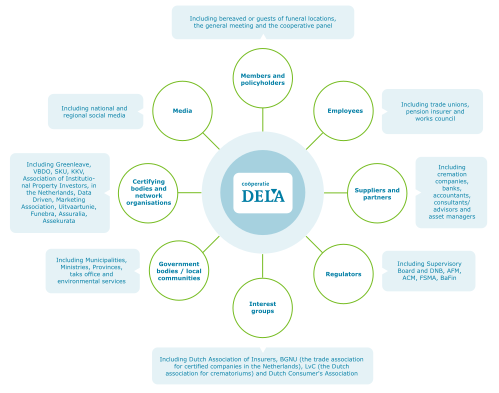
DELA partners with a wide range of organisations and other parties on a daily basis. Together these groups are known as stakeholders. They all have a degree of influence on DELA and are in turn influenced by DELA’s core activities. Of course, our members, policyholders, bereaved and employees are amongst our stakeholders as are our regulators, partners, suppliers, local communities, government bodies and other funeral businesses. DELA is also part of various certifying bodies, networking organisations and interest groups, and embraces their codes of conduct. We apply to the highest standards such as quality marks provided by the funeral care and data marketing privacy associations.
Our main stakeholders are reflected in the image below.
We frequently organise meetings with stakeholders to ensure the success of our core activities. These stakeholder dialogues are an integral part of our daily wok and vary from customer-service discussions and periodic evaluations with partners and suppliers, to more formal meetings with, for example, regulators and the general meeting. They serve as a sounding board as we strive to continuously improve our current service provision and develop new services that further promote solidarity.
Our relationship with members and policyholders goes beyond policies alone, revolving around long-term connections. We use direct communication methods as well as periodic surveys via our online cooperative panel. This approach has resulted in valuable insights into issues such as sustainable investments and new services in our domain such as grief counselling.
Our collaborations with partners and suppliers are based on an open dialogue and mutual understanding: the basis for acting with integrity. Through regular meetings and exchanging ideas we aim to create a win-win situation. An example is our initiative to use more sustainable materials during funeral services, working closely with suppliers to explore more eco-friendly options. This underlines our sustainability goals, how we address climate change and our willingness to achieve positive change together. Increasing legislation and regulations are making relationships with partners and suppliers more formal, requiring clear, redefined frameworks for cooperation. In this process we expect our purchasing department to play a leading role through its procurement and outsourcing policy to optimally support our business.
An open and transparent dialogue is crucial to reinforce mutual trust and guarantee corporate social sustainability. It allows us to continue to develop, maintain our relevance and enhance our impact.
Our environment
DELA is positioned at the heart of society thereby societal developments can influence our activities and, on occasions, have a considerable impact.
Financial turbulence
There was a great deal of turbulence on the financial markets in 2023. This was partly caused by geopolitical unrest related to the escalating conflict between Israel and Hamas and the ongoing war between Russia and Ukraine. Despite these economic challenges, our investment portfolio managed a return of 4.6 percent. The core inflation (excluding food and energy) was higher than 4 percent in 2023. We also saw a slight increase in the number of payment schemes. Inflation led to an increase in our funeral costs too and we were forced to raise prices at our funeral centres for items such as catering. We limit the premium increase via our profit-sharing scheme. In 2023, we were able to pay our members and policyholders a record sum of more than €249 million. As a non-profit cooperative we implemented a premium increase of 7.57 percent for the DELA Uitvaartplan in the Netherlands as per 1 January 2024. Without profit-sharing, the premium increase would have amounted to 12.18 percent.
Demographic developments
Both the Netherlands and Belgium had higher than normal mortality rates at the start of 2023, i.e. more deaths than would be statistically expected. In response we have added new creative solutions to our services. These include having initial contacts with the bereaved in digital form, with our digital funeral planner helping people consider their options. Further examples include adjusting our accessibility by telephone. All these measures are aimed at ensuring that everyone has an appropriate and dignified funeral.
Sustainability
The intensifying scarcity of resources and oil, the damage to the environment and the consequences of factors such as climate change on society are increasingly visible. We are also becoming more aware of sustainability, and the amount of related legislation and regulations is growing. DELA has been addressing the issue since establishing its first CSR policy in 2015 and, although we are on the right path, there is still a way to go. Electric cremation systems are a major step forward in making the company more sustainable, as are smaller initiatives such as caskets made from mushroom mycelium and company clothing from recycled materials.
Challenges on the labour market
The labour market continues to be a challenge, with a shortage of personnel. As a good employer, we are maintaining the focus on our personnel policy, investing in employees and seeking flexible solutions. Following an employer reputation study, we further specified our campaigns and maintained a focus on fitness, good and flexible working conditions, absence due to illness, work training trajectories and development, and career opportunities. To enhance the labour potential, we have established leadership and talent programmes and started collaborations with social employment agencies and schools. We also set up a ‘Werkspot’ environment this year, an easily accessible way to bring people back to work more quickly after absence due to illness.
On the other hand, we also have a responsibility to the employees at our service partners. It is crucial that they also benefit from decent working conditions and show respect for the privacy of our policyholders and the bereaved. We carry out diligent research and maintain constant supervision in order to uphold these standards.
Digitisation
Digitisation is progressing apace with regards to both funeral care as well as in the field of insurance and improves the entire customer experience. Digital tools are, for example, enabling new ways of dealing with grief and commemoration such as livestreams and online remembrance pages. Our funeral planning tool is increasingly popular, allowing the bereaved to start preparations for the funeral themselves, including deciding between a burial or cremation and designing the announcement. Digitisation in insurance has a focus on ensuring user comfort for policyholders and employees, and the use of data for personalisation or direct sales. The Dutch multi-year ‘insuring the digital transition’ programme streamlines processes and makes them future-proof. The eventual migration to a robust system, linked to MijnDELA, will give members control over and access to their data.
In Germany and Belgium we are using digital communication via partners and directly, while standardised digital connections support our strategic partnerships.
(New) legislation and regulations
Legislation and regulations, such as the CSRD (Corporate Sustainability Reporting Directive) and DORA (Digital Operations Resilience Act), promotes in which companies operate sustainable and robust. They are also making relationships with partners and suppliers increasingly formal. We started a new DELA-wide compliance and adjustment programme in 2023 called ‘Beheerst Ondernemen’ [business in control] which helps us operate more proactively and work in a process-based way. This in turn will allow us to manage risks more efficiently and preserve our excellent reputation. It is supported by a culture of responsibility and continuous improvement. Risk management in fact rests on the behaviour of our employees.
Changing preferences
People often have clear ideas about how their funeral should be organised, with an increasing preference for more personal, small-scale goodbyes. At the same time, traditional ways are being replaced by services more tailored to the individual. We have addressed this trend in the Netherlands and Belgium with our locations and local presence. In Germany we are seeing a slow shift towards more personalised funeral services.
We are also seeing a growing demand for managing funeral insurance policies online, including consultations and arranging funeral wishes. This option is increasingly used by our policyholders. In all cases, sustainability and addressing the effects of climate change are a key basis for our policy. We use ecologically sustainable materials and provide options with minimal impact on the environment. From caskets to catering, our products and services are flexible and enable us to always offer custom solutions. From facilitating a sustainable funeral or providing unique alternatives such as a chip instead of the traditional coffee and cake, we make everything possible.
Materiality analysis
Materiality analysis
In 2022 we performed a materiality analysis of the impact that DELA has on people and the environment and how we, in turn, are affected by our surroundings. This resulted in a list of 17 material themes.
In 2023 we moved forward in enriching these themes within the framework of the CSRD in accordance with a step-by-step plan provided by the NBA (The Royal Netherlands Institute of Chartered Accountants). The CSRD contributes to a clear focus and effective reporting of relevant sustainability issues, and allows us to present a sustainability strategy that is more in line with the expectations of our stakeholders and the CSRD requirements. It also enables us to make greater progress in the areas that matter most, which is in line with our goal to be a CSR business.
In the first step, we analysed our current stakeholders via an internal project group. We found that we needed to add ‘nature’ to our overview as a silent stakeholder. We also determined that our members, customers, employees and suppliers are the most important stakeholders affected.
We then looked at our value chain. Based on this, we determined which themes are potentially material. Of the themes on this shortlist, we mapped out the impact, risks and opportunities, and then calculated the average materiality score based on scale, range and probability. The threshold value to determine whether something is material was set at 3.0 on a scale of up to 5.0. Based on this value, the themes that score average or higher in their impact and/or financial materiality are considered material.
Eventually we reduced the number of materiality themes to seven. These were then redefined to underline their internal and external relevance even more clearly. The themes and the materiality analysis were established on December 2023.
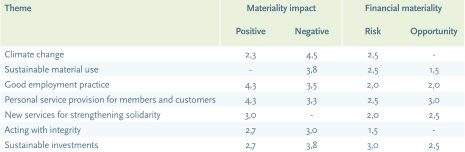
Below you can find a brief clarification of the seven materiality themes.
Climate change
The theme climate change involves our contribution to the transition to a CO2 neutral economy. While DELA still produces net CO2 emissions, our goal is to comply with the Paris Climate Agreement and reduce emissions in our own operations and among suppliers. Main aspects include the electrification of cremation furnaces and transport, working toward energy-neural buildings, installing solar panels and purchasing green energy. We also focus on climate adaptation, honing in on flood risks at our funeral locations and other physical risks caused by extreme weather. In addition, we anticipate transition risks such as the limited availability of resources and limited capacity of the national electricity grid.
Sustainable material use
Although DELA does not produce any products itself, we do use resources in our service provision such as wood (for caskets and paper), flowers, coffee and tea (for catering) and wool and cotton (for company clothing). Dela also use company assets such as our company cars, buildings and office environment. To realise our sustainability ambitions, we select the right suppliers and work closely with them to ensure an environmentally friendly composition, production and supply of goods and services. We also actively work on reducing the amount of residual waste we produce.
Good Employer Practices
Our people make the difference. Where our core values – Engaged, Honest and Proactive – are leading we also aim to be good employers for all staff when it comes to working conditions, equal treatment and opportunities, and guaranteed privacy. We contribute to the wellbeing of employees by ensuring a fair and transparent pay policy, a good work-life balance, and a healthy working environment in which people can develop and feel respected and accepted. At the same time, we recognise that we ask employees to have a high level of commitment and that this can disrupt the work-life balance and increase the pressure of work. This is something we monitor closely in addition to diversity, equality and inclusion. We also work on preventing health issues and absence caused by mentally or physically stressful work.
Personal services for members and customers
We offer broad support in the field of saying goodbye and remembering. This goes beyond financial support. Personal service provision is aimed at the emotional and personal needs of our policyholders and the bereaved. We also offer practical support and financial peace of mind. Our customers can rely on us to take care of their guaranteed right to privacy and protect their personal data. The development of new services in our domain further enhances the wellbeing of policyholders. It promotes long-term relationships and trust as well as solidarity. We see the provision of new services as an opportunity, while being aware that it comes with (acceptable) financial risks.
New services to strengthen solidarity
New services include participations and investments in companies that promote solidarity and a sense of unity in society via Voor Elkaar Holding. This was established to be a part of and make investments in companies that promote solidarity and cohesion in society, taking the scalability and financial health of these companies into account. Specific attention is paid to support for informal caregivers and providing financial guidance. These kinds of initiative are designed to improve people's well-being, which then strengthens the continuity of our cooperative model and helps us make a meaningful contribution to a closer society.
Acting with integrity
We recognise the risks associated with acting without integrity and the consequences doing so may have on our organisation. As a buyer, employer and service provider, we are determined to prevent misconduct. We realise this by having a company culture which states that acting with integrity is the responsibility of every employee, that interactions with internal and external stakeholders follow our code of conduct, that we only work with suppliers who also comply with these practices, that we protect whistleblowers and safeguard our systems for the detection of corruption and bribery.
Sustainable investments
As an investor, DELA has an impact on people and the environment by providing various parties with capital. This can be a positive impact – for example when it involves parties which enhance air/soil/water quality – or a negative impact – because parties produce net CO2 emissions, pollute the environment or contribute to the loss of biodiversity. It is our goal to reduce any negative impact on people and the environment and increase our positive impact. Our strategy involves maintaining a dialogue with companies (engagement), actively using our right to vote, integrating environmental, social and governance aspects (ESG) in investment decisions, excluding specific practices and countries and impact investments.
Our significance
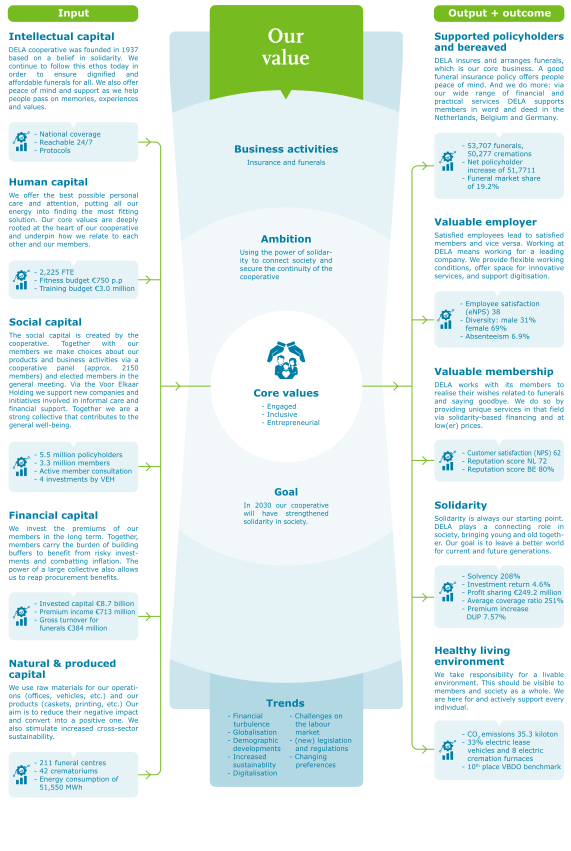
Our broad financial and practical service provision in the areas of funeral care and insurance allows DELA to support members, policyholders and the bereaved in word and deed. We take an engaged, honest and proactive approach to protecting the various interests at play. Our value creation model shows how we use each of the six types of IIRC framework capital (financial, manufactured, intellectual, human, social & relationship, and natural) to realise our goals. We also show the value we create with our core activities and the impact thereof.
Our customers
Our customers
As our primary stakeholders, we offer members, policyholders and the bereaved (together, our customers) financial security and support in saying goodbye and remembering loved ones. Insurance and funeral/cremation services are our core business. We are active in the Dutch, Belgian and German markets with insurance products and our own funeral companies in the Netherlands and Belgium.
Members
Members are represented via the general meeting and online cooperative panel. The general meeting has the final say over a number of key matters related to our cooperative, in particular the adoption of the financial statements, the appointment of directors and the Supervisory Board, and changes to our insurance products. Those attending the general meeting help determine our future.
The cooperative panel was consulted a number of times. In addition to assessing communication publications throughout the year, we involved panel members in the development of new services. At the start of the year, we also investigated how inflation was affecting our members and what they expect in case of payment problems. This consultation showed that funeral insurance is not one of the first savings to be considered. The way we assist our members with payment issues was in line with member expectations and wishes too, and fits with our personal service provision.
Since the introduction of membership in Belgium at the end of 2022, we have proudly welcomed over 80,000 Belgian members. We have also developed various activities to disseminate the cooperative concept in Belgium. This includes a Belgian member magazine called Viva! and the DELA Fund to support social initiatives. We also organised several theme days for members, including one focused on the impact of inheritance tax.
Number of cooperative members
| 2023 | difference | 2022 | |
|---|---|---|---|
| Members | 3,311,447 | +87,806 | 3,223,641 |
General meetings
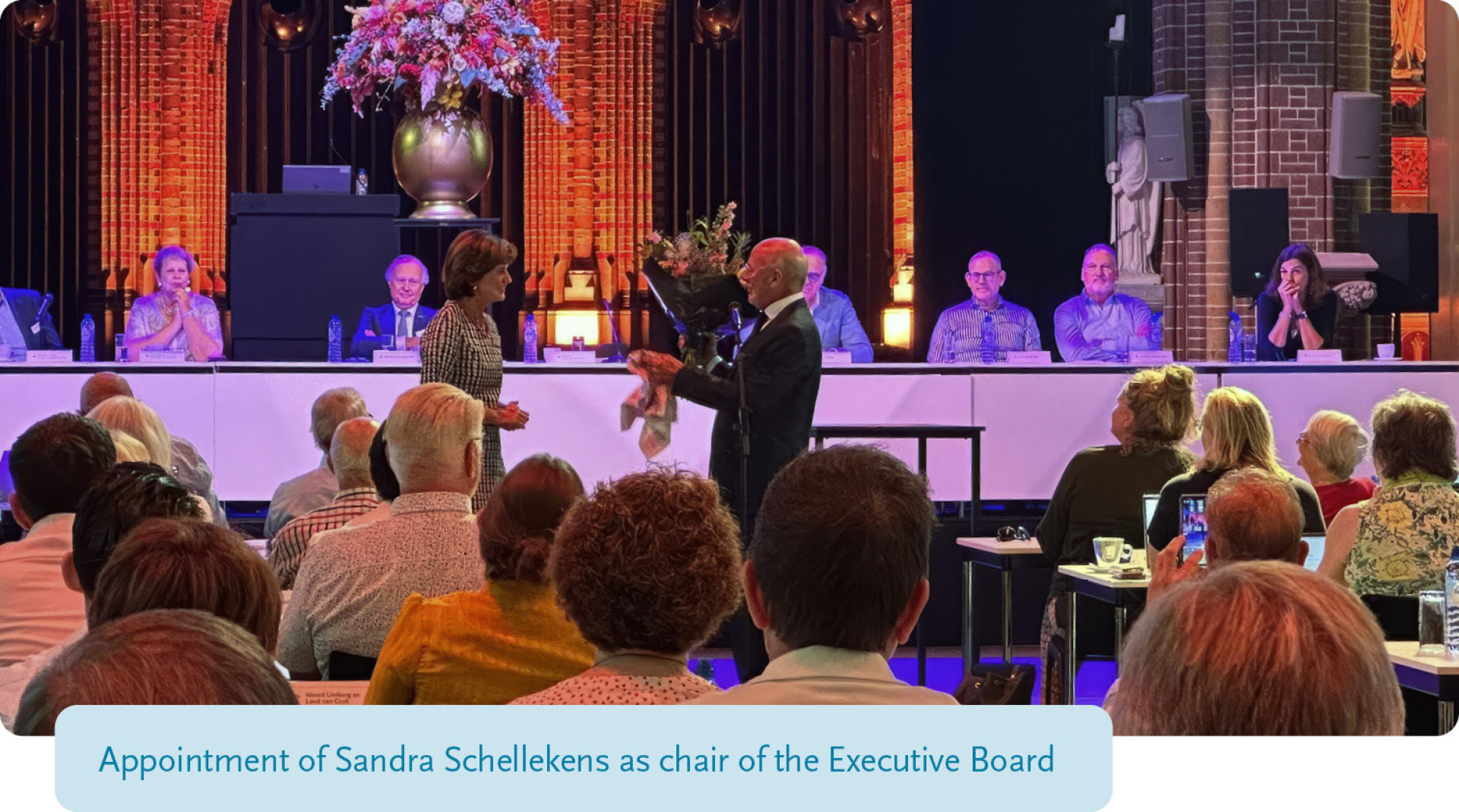
There were two regular general meetings in 2023 and one special general meeting where Sandra Schellekens was nominated as chair of the Executive Board. In addition to a number of fixed items on the agenda specific topics were discussed relevant to the strategic development of our cooperative.
One of these items involved the CSRD. In line with our commitment to corporate social responsibility, we discussed the impact of this legislation on our core activities. In May 2023 we agreed to an adjustment to the premium measure code designed to make our cooperative more resilient against negative interest rates in the future and help us continue to be a financially healthy cooperative with sufficient reserves. Another topic was the expansion of the membership in Belgium. While only new Belgian policyholders could previously become a member of our cooperative, existing Belgian policyholders are now also welcome (UZPn en Classic & Gold). This expansion strengthens our member base and continuity as well as boosting the engagement of policyholders in Belgium.
An additional main subject was the exploration of whether other products than funeral insurance could be considered a product that would allow people to become member of the cooperative in the future. General meeting members raised a number of focal points, such as the cohesion with our insurance products, the possible impact on insurance premiums, the specific services included in the membership, and the financial processing thereof. Clarity on these issues is essential for understanding and should be included in the further development of these ideas. The introduction of new products and services is seen as a key element for guaranteeing the solidarity and continuity of our organisation in the future. A dedicated workshop was organised to obtain more knowledge and background about membership, zooming in on issues such as the available services and operational aspects. Members were given the opportunity to ask questions and understand more about the concrete impact on the membership. The focus was on clarifying the added value of membership. The feedback from members is of considerable value in refining our membership model and optimising communication about the relationship between the membership and existing insurance products. We are convinced that initiatives which actively involve members will help us continue to build a strong, transparent and sustainable future for our cooperative.
Customer satisfaction and reputation
Providing high-quality services is vital to our operations. We measure customer satisfaction levels with our personal services at various times, and these measurements form the basis for guidance, learning and improvement in this area.
Satisfaction levels are measured using the Net Promotor Score (NPS), a common indicator that reveals the extent to which customers would recommend products and services to others. This showed that customer satisfaction dropped by one point but is still at a high level with all areas of our service.
The main positive feedback was related to the fast and adequate response times and personal attention. Keeping up the knowledge levels of our employees and proactively keeping customers informed where possible remains important. Satisfaction levels related to the customer service for Yarden policyholders remains a point of attention. The satisfaction of Belgian customers with our funeral services has slightly increased. And in Germany, we were able to improve satisfaction among brokers by being more proactive and providing support services to this segment.
In Germany, we were able to improve satisfaction among brokers by being more proactive and providing support services to this segment. Satisfaction among Belgian customers with our funeral care improved. This is thanks to our colleagues who work hard every day to ensure each send-off is memorable, while maintaining a close eye on the wishes of the family and the deceased. People continue to be very grateful for a helping hand and support in times of grief.
Customer satisfaction score
Net Promotor Score, 12-month average, weighed by respondents.
| 2023 | 2022 | |
|---|---|---|
| Netherlands | ||
| Insurance* | 44 | 46 |
| Funeral care | 72 | 71 |
| Customer service | 43 | 45 |
| Total | 57 | 58 |
| Belgium | ||
| Insurance | 59 | 60 |
| Funeral care | 82 | 81 |
| Customer service | 60 | 59 |
| Total | 68 | 69 |
| Germany | 53 | 51 |
| Total Group | 62 | 63 |
Reputation score
| 2023 | difference | 2022 | |
|---|---|---|---|
| Netherlands, Stakeholderwatch pulse | |||
| Members | 78 | +1 | 77 |
| Non-members | 66 | +6 | 60 |
| Total | 72 | +6 | 66 |
| Belgium, Brand Fame Tracker: 'the funeral specialist' | 80% | +4% | 76% |
DELA has a robust and strong reputation and our activities are partly focused on maintaining and strengthening this. We have a good reputation among both members and non-members, especially in the field of providing financial support and our contribution to saying goodbye and remembering. In Belgium, a strong content and PR plan contributed to the continued growth of our reputation as the funeral specialist in Belgium.
In addition to protecting and enhancing our own reputation, we also actively work on the reputation and quality of the sector as a whole. In addition to our own initiatives and efforts, legislative support is sometimes required to ensure our societal role can be successfully carried out. As part of Uitvaartorganisaties Nederland, a collaboration of various sectoral and trade organisations in the funeral sector, we have advocated seven changes to the Dutch Burial and Cremations Act. We presented this proposition to the Dutch Lower House in April 2023, and have since highlighted it in the public domain via social media and at various meetings.
Funerals and cremations
There were just over 169,00 deaths in the Netherlands in 2023 (2022: 170,000), and we arranged approximately 41,000 funerals (2022: 39,800) and more than 43,000 cremations (2022: 43,000). The number of funerals is lower than expected, especially due to a lower number of funerals for Yarden policyholders. We realised some 9,400 free market funerals (when the deceased is not insured with DELA), compared to approximately 8,400 in 2022. The number of cremations was in line with our ambitions. This was supported by the opening of the new ’t Karbrugsche Veld crematorium in Bemmel and the reopening of DELA Maaslanden in Nieuwkuijk.
Number of arranged funerals and cremations
| 2023 | difference | 2022 | |
|---|---|---|---|
| Funerals | |||
| Netherlands | 41,028 | +1,228 | 39,800 |
| Belgium | 12,679 | -85 | 12,764 |
| Total | 53,707 | +1,143 | 52,564 |
| Cremations | |||
| Netherlands | 43,083 | +128 | 42,955 |
| Belgium | 7,194 | -107 | 7,301 |
| Total | 50,277 | +21 | 50,256 |
In 2023 we made preparations for a new campaign that began at the start of 2024 and is focused on our colleagues from the funeral company. They put a face to all aspects of the funeral business every day. Featuring real people with real stories, the campaign aims to show that our services are warm, personal and of a high quality, and it should provide an extra boost to the funeral business.
Belgium recorded some 111,000 deaths in 2023, compared to approximately 116,000 in the previous year. We arranged around 12,700 funerals (2022: approx. 12,800) and some 7,200 cremations (2022: approx. 7,300). The funeral company in Belgium is mainly focused on funerals for non-insured people. As a result of local marketing, acquisitions and majority interests, the number of funerals and cremations we provide is rising, although in contrast to the Netherlands the number of deaths was not higher than average in this country. The market share was lower than expected, and we are therefore focusing on more intensive marketing and strengthening cross-pollination with the insurer as DELA can arrange funerals upon policyholders’ deaths.
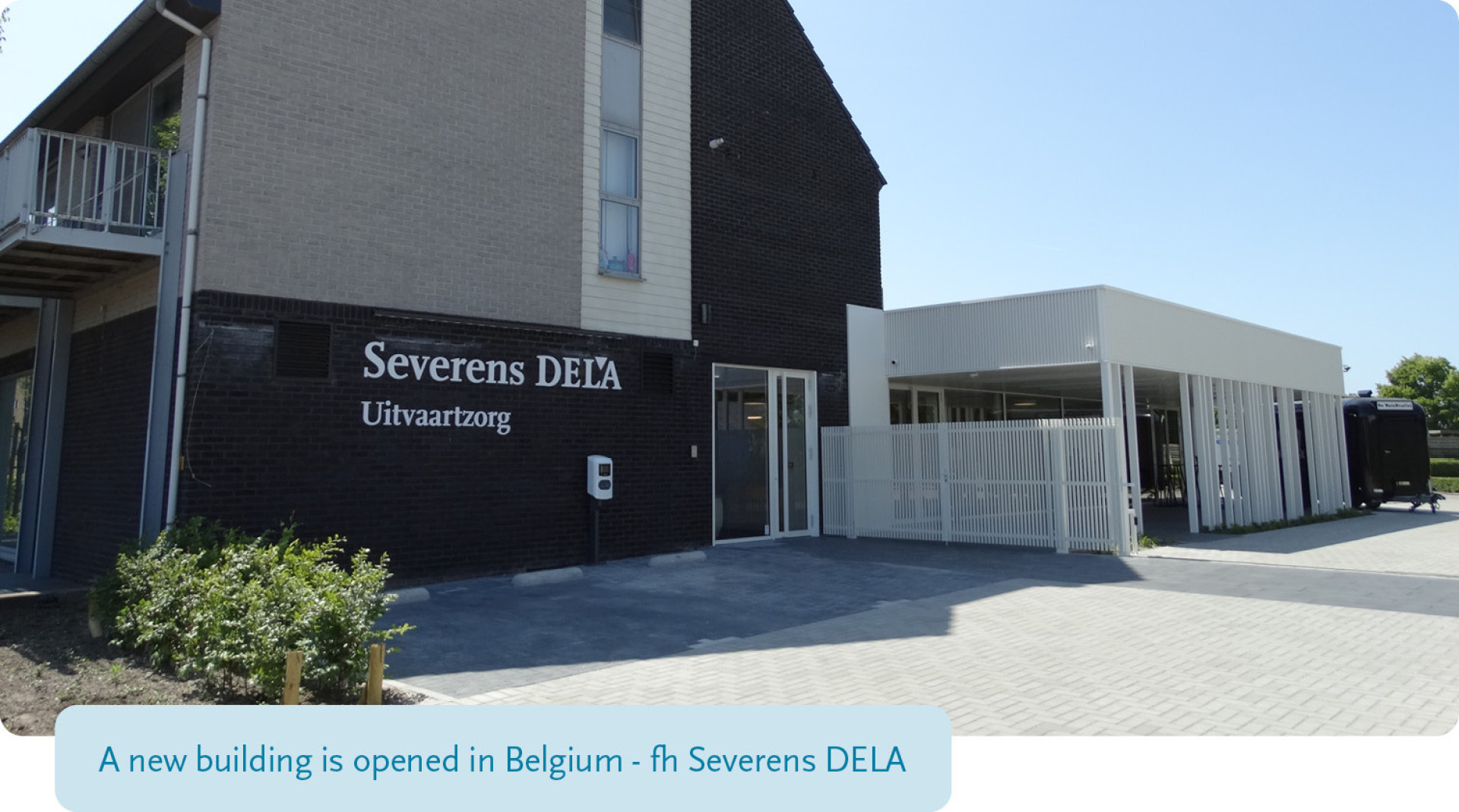
A pilot project in 2023, designed to increase familiarity by linking the name DELA to our local brand, has been continued and expanded in 2024. The strength of the DELA Group allows us to create a strong, recognisable funeral proposition. In Belgium we also worked on a product and service catalogue which will help clearly communicate our service provision in the Belgian market. For 2024, we are preparing a similar campaign to promote the funeral business in the Netherlands.
Every funeral we arrange is unique, personalised and of a high quality. At the same time, we ensure that we use sustainable products and establish partnerships with the right suppliers. We are a pioneer and innovator in the sector for sustainable funerals and can have a serious impact as a major player. In 2023 we boosted the domain of sustainable funerals by providing more detailed information about the various options in this field, such as eco-friendly caskets, waste processing and printing. Our goal is to reduce our negative impact on the environment. To do so, we are seeking out strategic collaborations with suppliers and partners who share our sustainable vision and have a heart for acting with integrity.
The toughest period for bereaved relatives often starts after the funeral. In addition to being in mourning, they are faced with numerous practical, financial, legal and administrative tasks. We help in these difficult times by offering practical support and tips based on individual situations. Aftercare is free for our policyholders. It is a standard element of DELA funeral insurance policies in the Netherlands and Belgium and for all funerals we arrange in the Netherlands.
At the end of 2023, we started a pilot project related to processing grief and coping with loss. Called LEAVES, it provides an online environment where people who have lost their partner can learn more about bereavement and its effects at their own pace. They can write down their experiences and receive support in their grieving process. In Belgium we are also planning an expansion of member benefits by building on our grief-related expertise.
Continuous development
In January it was announced that we were acquiring the remaining shares (30%) in Uitvaartvereniging Associatie&IJmond (UNC), making us the outright owner. In September we announced that CVU Uitvaartzorg will continue under the name DELA. CVU Uitvaartzorg has been arranging funerals since the 1930s and is active in the Rotterdam Rijnmond and Gouwestreek regions.
With the merger of DELA and Yarden we took a close look at our operations and, more specifically, our funeral locations. In 2023 we unfortunately had to decide to close several locations if there were sufficient sustainable alternatives available in the direct surroundings. The starting point and focus of our cooperative is to fulfil our promises to members: inflation-proof payments at a premium that is kept as low as possible.
We also acquired two companies in Belgium, Marion and Vanheste, and a majority interest in Borgno. After a long renovation (and dry!) period after the flooding in Liege, we were finally able to reopen this location too. Other new locations were opened in Massemen and Pelt.
Insurance
The size of our total portfolio, measured by the number of people insured, is a major spearhead for realising our ambitions. This year we saw solid growth with all three countries contributing.
The DELA Uitvaartplan in the Netherlands saw further growth. While the net growth was lower in 2023 than in previous years, we still exceeded our goal. The lower net growth is partially due to the high number of deaths. Extra marketing allowed us to realise further growth. In 2023, we determined a plan of approach for converting the Yarden package policies into a DELA Uitvaartplan policy. A pilot for realising this plan began in 2024.
While net growth in life insurance policies was negative in the Netherlands both the growth and losses were better than expected.
DELA Netherlands stops intermediary channel
In September we announced that we would be fully focusing on direct distribution, changing the cooperation with the intermediary channel. The goal of the strategic decision is to strengthen the relationship with members and broaden our personal service provision. Opening new insurance policies via the intermediary channel is no longer possible, although we are continuing to provide services for the existing insurance policies entered into via intermediaries.
Due to the changes to the Dutch tax system (Box 3) the decision was taken to stop marketing activities related to our Spaarplan savings scheme. Its fixed interest rate of 2 percent has made it a less attractive savings product in fiscal terms.
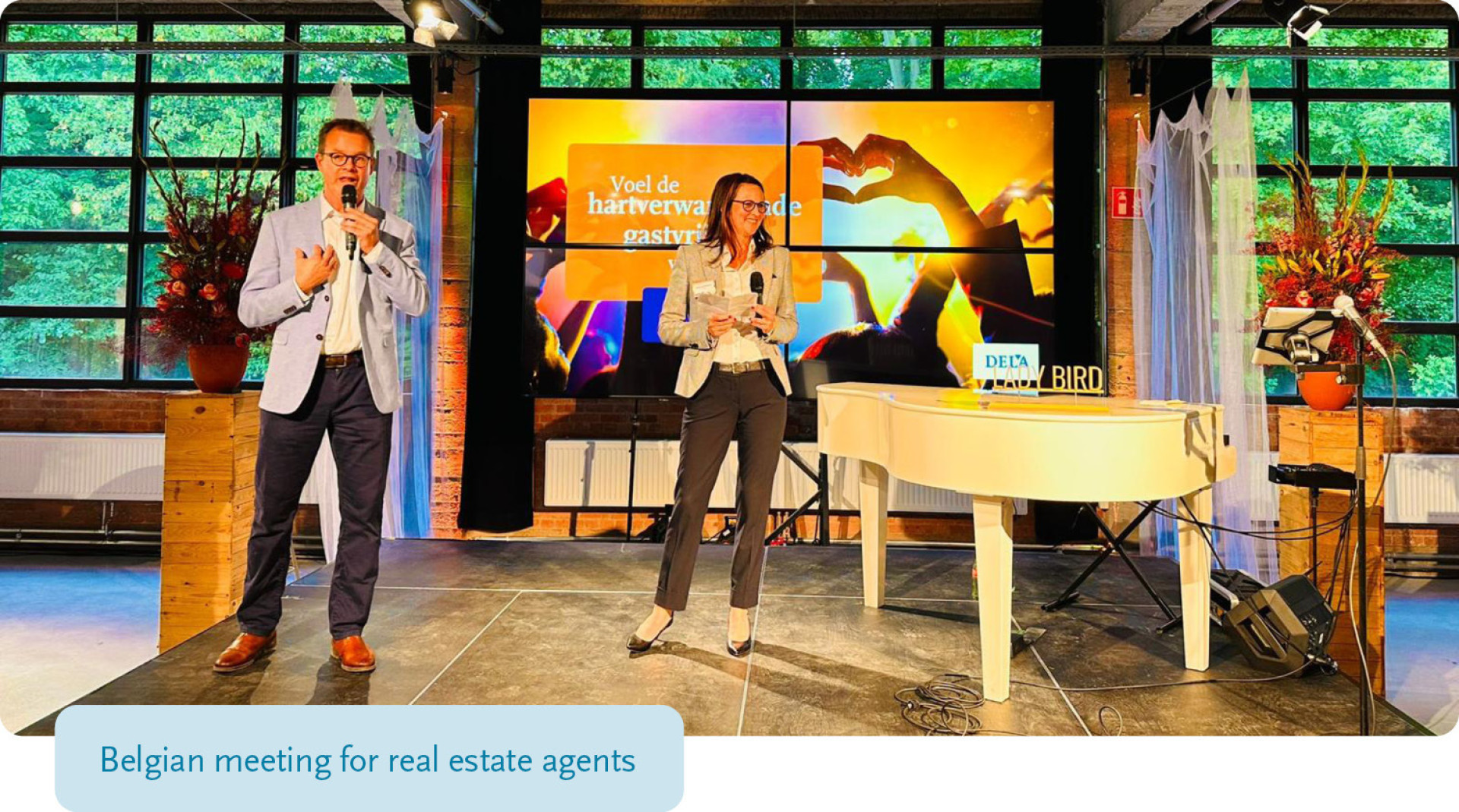
The growth in Belgium exceeded our goal, partly due to an effective digital marketing strategy. The positive result was particularly caused by the continued development of the online request process with a focus on the family unit. We also worked on a new insurance proposition for the Belgian market that is expected to be implemented in 2025. DELA is unique in Belgium for the way it both insures and arranges funerals.
In Germany we sell funeral insurance (Sorgenfrei Leben) and life insurance (Aktiv Leben). The funeral insurance covers funeral costs and does not involve a package policy. The portfolio has grown over recent years to almost 200,000 funeral policies, partly due to the acquisition of Monuta.
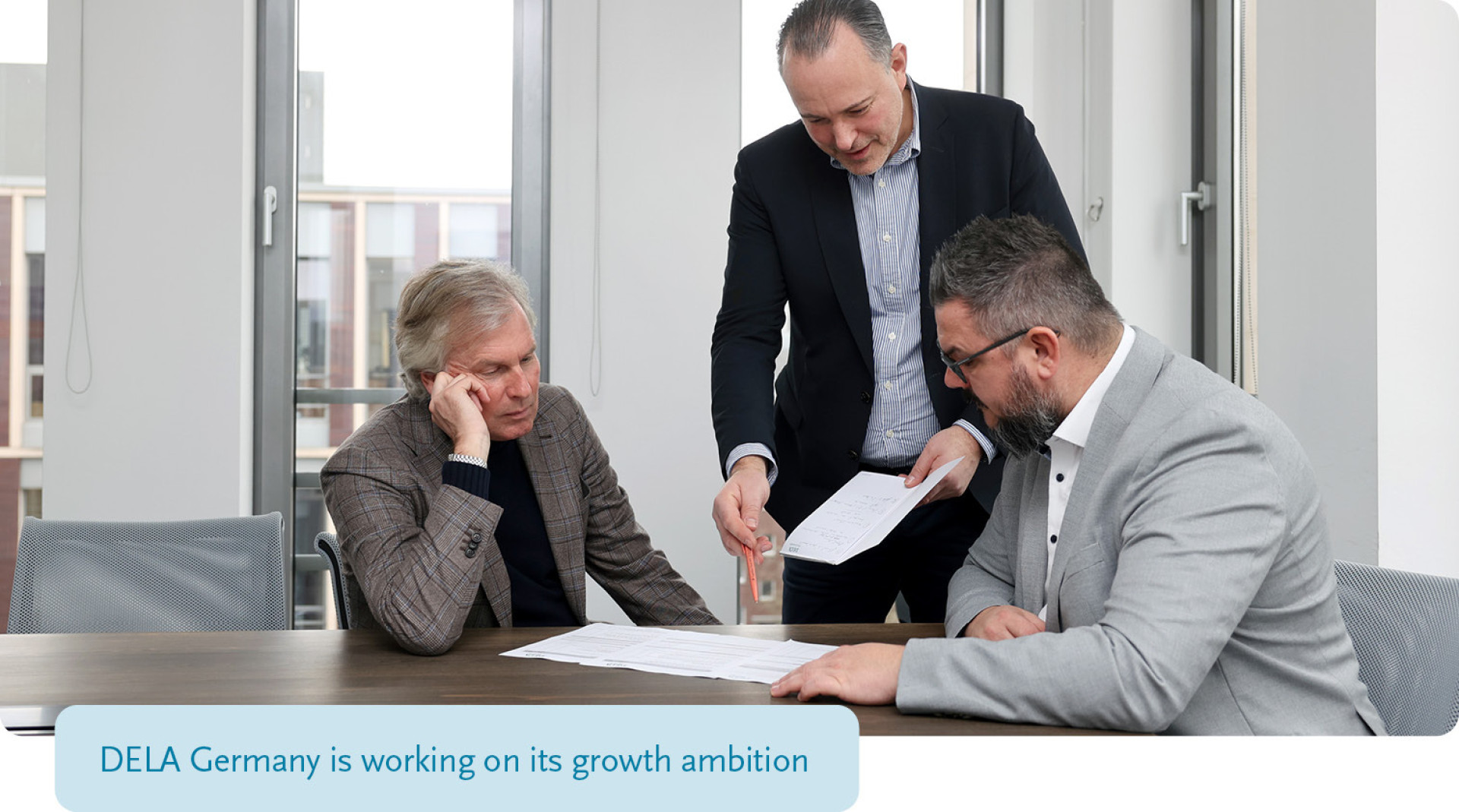
Although the German market for life insurance shrunk in 2023 and has yet to recover, we still have significant growth ambitions. Realising them will require a shift of focus to direct contact with customers, entering into various strategic partnerships to enable us to use new sales channels.
Number of policyholders per product at the end of the year and growth in reporting year
| 2023 | net growth | 2022 | |
|---|---|---|---|
| Uitvaartplan (funeral insurance) | 3,054,061 | +27,757 | 3,026,304 |
| Leefdoorplan (life insurance) | 280,761 | -5,097 | 285,858 |
| Spaarplan (savings insurance) | 53,157 | -1,979 | 55,136 |
| Yarden | 908,593 | -19,470 | 928,063 |
| Total Netherlands | 4,296,572 | +1,211 | 4,295,361 |
| - | |||
| Uitvaartzorgplan (funeral insurance) | 677,748 | +34,062 | 643,686 |
| Inactive portfolios (closed book) | 272,540 | -11,803 | 284,343 |
| Total Belgium | 950,288 | +22,259 | 928,029 |
| - | |||
| Aktiv leben (life insurance) | 103,366 | +12,897 | 90,469 |
| Sorgenfrei leben (funeral insurance) | 65,549 | +19,366 | 46,183 |
| Inactive portfolios (closed book) | 125,458 | -3,962 | 129,420 |
| Total Germany | 294,373 | +28,301 | 266,072 |
| - | |||
| Total | 5,541,233 | +51,771 | 5,489,462 |
New services to strengthen solidarity
In addition to insurance and funeral services, we are providing new services through third-party companies via Voor Elkaar Holding (VEH). This holding was established to be a part of and make investments in companies which promote solidarity and cohesion in society, taking their scalability and financial health into account. Specific attention is paid to support for informal caregivers and providing financial guidance.
As part of the DELA cooperative, VEH is a strong strategic and financial partner that helps companies develop. We contribute our capital and broad expertise in the field of marketing, finance, sales, IT and innovation to promote sustainable growth and also increase our societal impact.
In 2023 VEH further expanded its expertise and aligned its governance to the group governance structure. The process for new investments is ready and we are looking at how to further optimise this in the near future. There were several exploratory meetings with new companies to expand services in the field of financial support or informal care in the coming years. We are currently providing services via the following three companies:
- Prikkl: the coaching and advisory platform for financial insights.
- Salarise: a platform provided via employers which helps employees build their financial future by providing knowledge and insight, personal coaching and loans at good terms.
- Fello: a service that facilitates informal caregivers in their work and helps by taking over administrative tasks.
In late 2023 VEH made an initial investment in Prikkl. Prikkl aims to help Dutch people make smart financial choices at all stages of their lives. Moreover, the turnover of Fello tripled in 2023, and the activities of Salarise were broadened to appeal to an even larger target group. We also decided to make no further investments in The Right Meal in 2023, which led to the company’s bankruptcy. The company has since been relaunched.
Our organisation
Our organisation
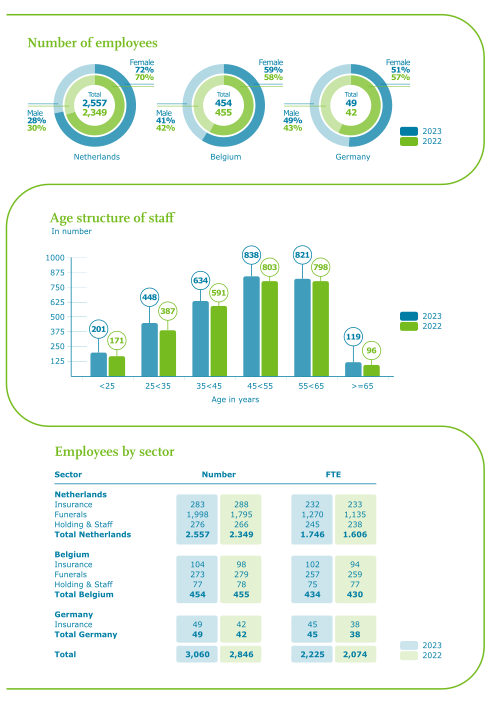
Employees are the driving force behind our organisation, vital to our service provision and societal significance. In the framework of good employer practice, we invest in people to ensure they are engaged, proud of their work and healthy, as well as having ample opportunities for personal development. At the end of 2023 we had 3,060 employees (2,225 FTE). Committed, enterprising and acting with integrity, they work tirelessly to realise our mission in three countries. Our core values are deeply rooted at the heart of our organisation and underline our relationship with each other and with our stakeholders.
We use digitisation to bring people even closer together. One of our goals is to reduce our negative impact in terms of climate change, lower our carbon footprint and use more sustainable materials. Increasing the awareness and knowledge of sustainability demands constant efforts. Another focal point is securing a unilateral approach within DELA Group. The DELA Fund further stimulates initiatives aimed at benefitting society.
A number of adjustments were made in 2023 to enable us to do even more for our members and customers. Three innovation teams were set up In the Netherlands to offer new products and services related to ‘saying goodbye and remembering’. Previously under the Customer Contact Centre, the ‘aftercare desk’ has now been made part of DELA Uitvaartverzorging to further optimise the customer journey and experience. In Belgium we worked hard on having a more efficient and results-oriented collaboration between IT and the rest of the organisation. A number of departments have been reorganised in Germany, with the main goal being the integration of the German insurance portfolio (acquired in 2022) and its employees.
Our employees
At DELA, we are committed to ensuring that our employee database reflects the full diversity of the society in which we operate, that everyone has equal opportunities and feels able to be themselves. DELA-wide, two-thirds of all DELA Group employees are female. In leadership positions, the 30 percent minimum rule for women and men is easily achieved. When personnel changes occur, we always take increased diversity into account.
Employee satisfaction
We measure satisfaction levels among all our employees every year. In 2023, this survey was carried out via Effectory. The response rate in the Netherlands was 76 percent, which is virtually the same as last year, while no less than 84 percent of staff completed the survey in Belgium. The survey focused on various themes such as enthusiasm, employership, team leadership and social safety. The solid foundation for good employership remained in 2023, as is shown by the fact that the eNPS scores were still above the benchmark. In the Netherlands this was +36.2 and in Belgium the score was the same as in 2022, namely +53. In Germany, the survey took place for the first time and 84% of employees took part. In Germany, the methodology and scale differ from the measurements in the Netherlands and Belgium . The German employee satisfaction score of 8 is in line with the benchmark, which was 9 in 2023.
There is a strong company culture within DELA where employees see their work as meaningful and attach great importance to being customer-oriented. People enjoy working together, employees feel safe and the atmosphere at work is pleasant. Employees are proud of DELA and their jobs. We have detected a decline in employee satisfaction. Analysis shows that there are several areas of improvement. Firstly, we should optimise our communication about strategic changes to ensure employees are fully informed of the course of our organisation and feel more involved. We also aim to streamline our working processes to enhance efficiency and address the working pressure some employees experience. In addition, we understand the importance of a culture in which people are stimulated and facilitated to address each other about conduct, with respect for diversity and inclusion. Joint efforts in these areas will help strengthen our organisation and stimulate a positive and productive working environment where every employee feels at home.
| 2023 | 2022 | |
| Effectory eNPS | ||
| Netherlands | 36 | 44 |
| Belgium | 53 | 53 |
| Germany | 8 | |
| Total | 38 | 45 |
The Netherlands: enriched BIOS core values in minds, hearts and actions
Over 1,100 colleagues took part in the sixth edition of the Round Tables as the first step to integrating the enriched BIOS core values, engaged, honest, proactive and sharp, in their minds, hearts and activities. Colleagues interviewed each other during a variety of work sessions, asking what behaviour appeals to them. The result was that the ‘S’ for Sharp was mentioned most often. Although it is often still a challenge, it is understood that staying sharp is the best way to help DELA realise its strategy. In addition, employees still find it difficult to speak up. What prevents us from acting BIO and Sharp? Doing what we have always done seems easier than strengthening our core values. The event marked a good start for the further development of BIOS.
An internal traineeship course has been launched to support a number of employees as they grow into managerial positions. There is a leadership programme in both the Netherlands and Belgium to promote a member- and result-oriented culture. Both countries also focus on talent development. Employees are stimulated to work on their own and team growth via personal development plans. DELA Germany will follow in 2024. The establishment of an Academy with training opportunities is aimed at boosting development especially in Belgium and in the Netherlands. In Germany our limited brand familiarity still plays a role in attracting new employees.
Diversity, equality and inclusion
We find it important that people feel welcome in our organisation as a customer, employee and supplier regardless of their background. We want to be there for and actively support everyone. In 2023 it was decided to address this theme under the auspices of the HR department, and a group-wide plan of approach was developed based on diversity, equality and inclusion for DELA as an employer. We are also starting a diversity assessment as a basis for follow-up actions.
Absence
We have set the goal for all employees to remain physically and mentally healthy and capable of quality work, both now and in the future. Absenteeism is high, with the trend for an increase in long-term absence continuing. Seasonal peaks in absenteeism due to flu-like illnesses pose another challenge in an already tight labour market. Moreover, a number of our employees are confronted with people’s grief on a daily basis and this can be emotionally challenging. Other factors include physical strain, irregular working hours and the requirement for flexibility. Taken as a whole this leads to physical and mental challenges.
Absenteeism over 2023 was 6.7 percent in the Netherlands (2022: 6.8 percent), 7.5 in Belgium (2022: 7.5 percent) and 6.7 percent in Germany(2022: 5.7 percent). These relatively high levels required extra efforts from our advisors (such as prevention and Health & Safety) and HR Business Partners. We successfully drew more attention to registering for a training course related to promoting and stimulating employees’ self-management and health (‘Eigen Regie en Duurzaam in Gesprek’). In the Netherlands efforts were also made related to the implementation of the Eligibility for Permanent Incapacity Benefit (Restrictions) Act (Wet Verbetering Poortwachter) in order to stimulate meetings between managers and employees.
Various initiatives have been started to further reduce absenteeism as quickly as possible, such as training sessions for ‘mental resilience’ and ‘safety at work’. The ‘vitality budget was regularly promoted and we made a plan of approach for daily personnel continuity and to start implementing a new, unilateral roster policy in the funeral company. The new roster is aimed at supporting continuity, efficiency, the well-being of employees and the interests of customers. We will also continue to focus on reintegrating employees who have been ill for a long time. It is sometimes difficult to find replacement tasks for employees who have been absent and cannot yet perform their own tasks. This especially applies if suitable tasks are unavailable at their own location, which causes further delays. Embracing adapted activities ensures that employees retain the working rhythm that make further reintegration easier. We have created Werkspot to link this supply and demand.
Staff turnover
Turnover over the past year was around 14 percent and this issue is a fixed agenda item for the various management teams. We have implemented a number of improvements to enhance the quality of the recruitment and selection process and recruit the right candidates for the job. Proper ‘onboarding’ and guidance of new staff on the work floor is another key aspect. In the Netherlands, the ‘labour market taskforce’ looked at how attractive our working conditions were. This led to the further development and approval of the mobility policy.
We’re also aiming to increase the labour force potential in various ways, including by seeking out partnerships with sheltered employment organisations and schools, and we’ve introduced a new onboarding programme called ‘Warm Welcome Days’. This includes an online preboarding, a physical first introduction day at the head office and a return morning or afternoon at their DELA location. Practical tasks ensure that new employees gain insight into the organisation, our goals and core values and, of course, their own tasks. Additional focal points in the overall programme are managing one’s own development and being member-oriented. DELA Belgium and DELA Netherlands joined forces to address issues such as absenteeism, turnover and a tight labour market together.
Employer reputation survey
Both name familiarity and a good reputation are important in the recruitment process. These aspects were assessed in relation to DELA as an employer in the Netherlands with independent research bureau Motivaction. The results showed that DELA’s appeal as an employer had increased significantly over the past two years, with the labour market campaigns clearly having an effect. The reputation of DELA as an employer was enhanced on nine aspects including people-oriented culture, job safety and reliability/honesty. A point of attention was opportunities to grow within the company – although there, these need to be made more visible and aligned to other employers.
Occupational accidents
DELA closely monitors occupational accidents. All our employees are covered by the health and safety management system. In 2023, 67 work-related accidents were reported in the Dutch organization (2022: 36). They can be divided into three categories: 47 occupational accidents, 16 needle-stick injuries and four other accidents. The increase compared to the previous year can be explained by the expansion in the number of locations and employees as a result of the acquisition of Yarden. In addition, the registration of occupational accidents has been simplified.
In Belgium, a work-related accident is deemed to involve an event that leads to at least one day of absence. An incident indicates that something has occurred which does not lead to absenteeism. In 2023 there were five occupational accidents (2023: 10) and 15 incidents (2022: 13) in Belgium. In total six were related to a fall, nine occurred in traffic, and one was caused by lifting or hoisting activities. We aim to keep occupational accidents to a minimum by means of registration and evaluation.
No work-related accidents were reported at DELA Germany.
Role of the works council
DELA Netherlands and DELA Belgium each have their own works council that is actively involved in economic and social issues and provides advice on the desired business operations. The works councils represent all employees.
The Dutch works council gave advice on various topics in 2023. The organisational changes and set-up of innovation teams designed to offer added value to our members dominated the agenda. The works council also provided advice on the appointment of a new Executive Board chair due to the retirement of her predecessor in January 2024. Other subjects discussed by works council members included the ‘Business in control’ (Beheerst Ondernemen) programme, ending cooperation with the intermediary channel and the pilot project for a new catering concept. They also debated the ‘reporting suspected misconduct’ scheme and approved a new roster policy for funeral services. In addition, the works council gave input on changes to the remuneration for travel expenses, a training course for new managers and changes to the available options for keeping employees mentally and physically fit. Finally, regular meetings were held about the quarterly figures, working conditions and pensions.
The meetings of the Belgian works council mainly focused on good employership and personnel policy. The tight labour market and societal developments demand a continuous effort in addressing changes, safeguarding the interests of staff and promoting a healthy and productive working environment. Other items discussed included absenteeism and turnover as well as the action plans based on the employee satisfaction survey. The works council also zoomed in on new legislation, including the implementation of flexible jobs, and how these developments could impact our organisation. New policy measures related to working from home, lease vehicles and availability were also on the agenda. The goal was to facilitate flexibility and mobility and stimulate a healthy work-life balance for employees.
Strong leadership
In September, the managers in Belgium attended the kick-off of a leadership programme aimed at promoting corporate culture and increasing organisational effectiveness and ownership.
Digitisation
Further progress was made during 2023 in the field of digitisation, including with a company-wide data platform. To promote efficiency and impact, we developed an IT shared services centre for our national organisations. We are also seeing rapid developments in information security which demand constant focus and awareness. This is stimulated via online courses and sharing experiences. In addition, we reviewed and enhanced the roles and rights within the information security framework. Developments with regard to artificial intelligence are rapidly progressing. We’ve developed a policy to give employees tools on how to deal with AI. We also faced targeted and random cyber-attacks on our IT infrastructure and we've started working with a specialised cyber security firm that constantly monitors the situation.
Digitisation is also being used to make our organisation and services future-proof. It is important that we choose the right priorities. One of these priorities is working on a group-wide financial administration system. Transferring to a new administration system is a multi-year project that affects the entire chain from our ledger to the invoicing system and our accountability and reporting.
One of these priorities remains the replacement of the administration systems for our insurance portfolio, initially for DELA Netherlands. This ‘insuring the digital transition’ dossier is a recurring item on the agenda of the Executive and Supervisory Boards, and we worked hard during 2023 to take a next step in this major multi-year project. It has already had a significant impact on our existing capacity and comes with various challenges in the technical and change management fields. Implementing new systems and processes initially increases the complexity of our IT infrastructure and requires a thorough revision of work methods and employee engagement. It is crucial to ensure employees are well-prepared for these changes, build up knowledge and receive the support necessary for a smooth transition. We are being supported in this process by an implementation partner.
While this was all going on it has been essential to ensure that daily activities could continue without interruptions. Integrating this multi-year project in our regular activities carries a considerable risk for the continuity and efficiency of our operational processes. With this in mind we decided over the course of the year to improve internal control and focus more particularly on the specific needs and challenges of the project without disrupting current business. This decision improved control of the progress, reduced costs incurred by the project, and facilitated a more streamlined approach in its realisation. Eventually, this will all result in a successful implementation. We are proud that we were able to migrate a large part of our Dutch insurance portfolio during 2023 and the experiences gained will be used in the coming year as we convert the remainder of the insurance portfolio.
DELA Belgium also had a strong focus on creating a more manoeuvrable and result-oriented organisation in order to further optimise its personal service provision to customers. Important steps were taken to replace its CRM system.
In Germany, the year revolved around safeguarding the digital infrastructure to facilitate the existing service provision. It was also decided to adopt a new system that will, among other things, administrate the acquired German Monuta portfolio. A lot of work went into ensuring that this system can be implemented in 2024, with a significant focus on ease-of-use. The new system should also facilitate an optimal customer journey within the frameworks of the applicable legislation and regulations.
Digital customer journey for funerals
A project was started to ensure that the customer journey for funerals remain future-proof. Step-by-step we are building an online environment for the bereaved that is always based on how we can improve the customer journey for the bereaved at any point on that journey. Many issues are discussed during a visit from a funeral director, often leaving the bereaved feeling overwhelmed or uncertain. It is not always clear who will do what and when. The online agenda and task list support the bereaved in a straightforward way by providing an overview of what is expected of them.
CO2 reduction
Recognising that this greenhouse gas makes a major contribution to global warming, we are aiming to reduce CO2 emissions from our operations and services. Europe expressed its intention in the Paris Climate Agreement to achieve a 55 percent reduction by 2030 and be climate-neutral by 2050.
DELA is even more ambitious, looking to reduce our CO2 footprint to zero faster, especially for scope 1 and 2. In 2024 we will further enrich our CO2 goals and detail our net-zero plan to employ various measures. These include lowering energy consumption in our buildings via renovations, clustering and/or their sale. In the Netherlands we will be electrifying our furnaces step-by-step while doing the same for our fleets in the Netherlands and Belgium. We will also be generating green power ourselves via the installation of solar panels.
We are confronted with various dilemmas in reducing the CO2 emissions of scope 1 and 2, including overload of the electricity grid. Our service provision is sometimes hindered due to the limited capacity of the grid, and expanding our electricity connections isn’t always feasible. This forces us to devise creative solutions to reduce our CO2 emissions. Another focal point involves the availability of electric furnaces. The demand for this environmentally-friendly solution is currently larger than the supply. Thankfully, we are seeing new players enter the market and we are monitoring all new opportunities that arise. A crucial part of our efforts is increasing knowledge about CO2 reduction within the organisation. A combination of awareness and education is helping us involve all employees in reducing our environmental impact. In addition to new technologies, this involves compliance with guidelines such as saving energy.
CO2 calculation method explained
Since 2021 we have determined the CO2 emissions of our own operations and for the products and services we provide. In addition to direct emissions under scope 1 and 2, we also strive to gain the best possible insight into our scope 3 emissions (indirect CO2 emissions caused by the activities of other parties up- and downstream in the chain). These indirect emissions have a considerable impact. The increasing transparency of and collaboration with suppliers means we expect to implement further refinement in determining our scope 3 emissions in the coming years.
The following items are included in the calculation:
Scope 1 (direct emissions):
- Natural gas and mazout (fuel oil) in buildings
- Lease vehicles and owned vehicles - petrol
- Lease vehicles and owned vehicles - diesel
- Leakage of refrigerants
Scope 2 (indirect emissions):
- Electricity in buildings and cremation furnaces
- Lease vehicles and owned vehicles - electric
- District heating
Scope 3 (indirect emissions, categorised in accordance with GHG protocol):
- Purchased goods and services: caskets, printing, paper, flowers, catering, tombstones, data centres
- Rented transportation: hearses and funeral vehicles in the Netherlands
- Business travel: travel by air, repatriation, public transport, use of private vehicle for business
- Employee commuting
- Visitor transport
The calculation is based as much as possible on actually measured consumption data, namely 66 percent of the data points. Substantiated estimates are used when this is unavailable.
CO2 emissions
Net, excluding investments
| x 1 tonne | 2023 | difference | 2022 |
|---|---|---|---|
| Scope 1 | 10,261 | +5,741 | 4,520 |
| Scope 2 | 694 | -1,478 | 2,172 |
| Scope 3 | 24,332 | +758 | 23,574 |
| Total | 35,287 | +5,021 | 30,266 |
| Netherlands | 25,489 | +3,419 | 22,070 |
| Belgium | 9,748 | +1,618 | 8,130 |
| Germany | 50 | -16 | 66 |
| Total | 35,287 | +5,021 | 30,266 |
CO2 emissions increased by 17 percent in 2023 compared to 2022. Explanations for this increase include the stricter regulations and requirements for CO2 emission calculations. The electricity consumption for charging lease vehicles was added to the calculation based on grey power as these often use external chargers (226 tons CO2). In addition, the compensation item for the purchase of WNF Gold standard and forest-compensated natural gas can no longer be applied. This resulted in an increase of 5,589 tonnes of CO2 in scope 1.
We have developed a climate transition plan to structurally reduce our CO2 emissions that includes the projects for energy saving and increasing sustainability to structurally reduce our CO2 emissions. Since 1 January 2023 the Netherlands purchases 100% Dutch wind energy for electricity, and a combination of Greenchoice forest-compensated and WNF Gold standard gas for natural gas, which reduces scope 2 emissions. In Belgium all electricity purchased will be green from 1 January 2024. Over the past year, we installed three new electric furnaces in our Dutch crematoriums, which means that eight of our 47 furnaces are now electric. We cannot currently accelerate our electrification due to the limited availability and congestion of the electricity grid. Energy consumption has been further reduced by the closure of several locations due to the merger of CVU and UNC. Our lease policy in Belgium was adapted so that only electric lease vehicles could be ordered since 1 July 2023. The Netherlands will adopt this decision from January 2025 due to existing contractual obligations. We’ve also taken a first step towards electrical funeral vehicles in the Netherlands.
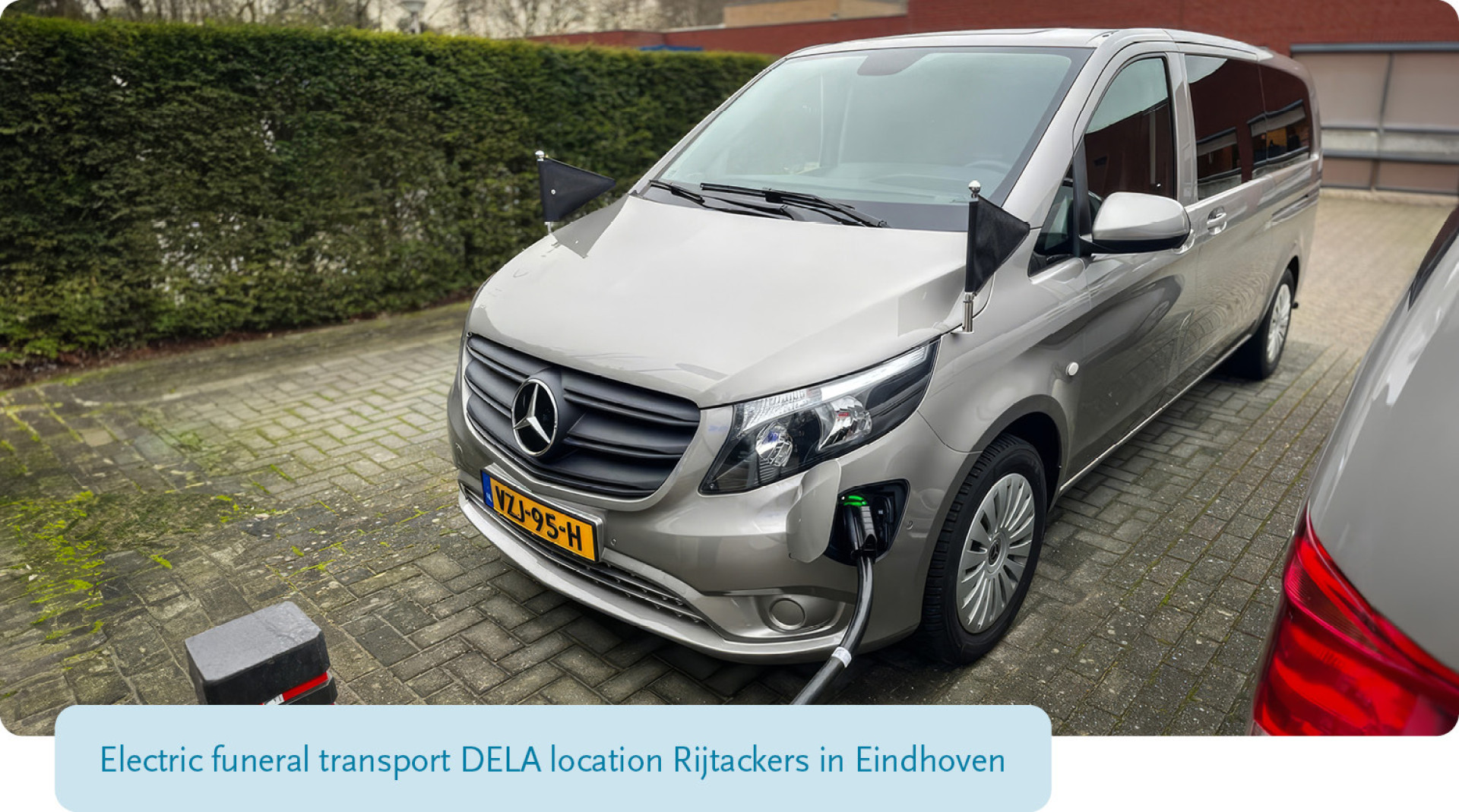
We are also focusing on indirect emissions related to our value chain (scope 3), especially on the products and services we purchase related to funeral activities. This includes aspects such as funeral vehicles, hearses, caskets, printing, flowers, catering and visitor transport. To reduce emissions in this scope we implemented active strategies in relation to our suppliers. A key strategy is aimed at reducing the scope 1 & 2 CO2 emissions of our suppliers. We support them with enhancing their insights and stimulating plans for CO2 reduction, for instance by optimising and electrifying their transport movements. We are also actively looking at their material use. Cooperation with suppliers is essential and we are encouraging them to make sustainable choices in their production processes.
Sustainable material use
While we do not produce any products ourselves we do use materials in our service provision (raw materials and manufactured). We take our responsibility as an insurance and funeral company seriously by working with suppliers who share our sustainability goals.
Our strategy for increasing the sustainability of material use is based on several pillars. Firstly, we aim to only use what is absolutely necessary. This includes minimising the weight of products to reduce their ecological footprint. In addition, we aim to use recycled or biobased materials, reducing our dependency on raw materials. Another major aspect of our sustainability strategy is to minimise packaging and implement a return/recycling policy when a product’s lifespan has been reached. These initiatives were designed to reduce the amount of residual waste and our negative impact on the environment.
The CSR procurement code, as published on the website, has a wide coverage and suppliers are asked to endorse this. In doing so suppliers commit to dealing with CSR focal areas in a constructive way, with specific reference to labour and human rights as included in the United Nations Universal Declaration of Human Rights. Suppliers are also expected to demand the same from any subcontractors and make clear how important we find this issue. The CSR code is an intrinsic part of all agreements made with suppliers, although we have unfortunately seen that ongoing (local) contracts signed in the past may deviate from this code.
Increasing legislation and regulations also affect our procurement process. In 2023, we further optimised the contract/supplier management process; not just from a sustainability perspective (sustainable material use) but in a broader sphere. The so-called ‘Supervisory-relevant Important or Critical Outsourcing Contracts’ were all evaluated and updated, and any associated processes were adjusted accordingly. The purchasing department reinforced its position by taking on a clearer management and coaching role in 2023.
In 2023 we analysed a CSR roadmap with our existing suppliers for caskets, printing and funeral vehicles in the Netherlands. The suppliers committed to drawing up a step-by-step plan to support our sustainability ambitions.
When entering into new contracts we specifically focus on sustainable material use, especially for signage and catering. The latter also involves the aim for the ‘1-star better life’ certification for meat products and a larger percentage of vegan/vegetarian products. The new signage mainly consists of recycled materials, including recycled PET, aluminium and acrylate.
Biodiversity
In 2023 we carried out detailed research into our impact on biodiversity, both at our premises and within our procurement chain.
Our premises have an intrinsic connection to nature and funerals, and therefore have the potential to have a positive impact on people and nature. By landscaping them in an eco-friendly way, we can increase biodiversity locally. This benefits the environment itself and has a positive impact on visitors in terms of green recreation and a pleasant micro-climate.
At the same time, we recognise the possible negative impact on biodiversity from our procurement. Risks such as deforestation, water consumption and pesticides in the production chain can have a harmful effect, but by making conscious decisions and selecting sustainable materials and products we can substantially reduce this.
Although there are risks for the global loss of biodiversity, the financial materiality is estimated to be low as the risks don’t directly impact our primary operations. This is why we decided that biodiversity is not a material issue for us. We will nonetheless remain dedicated to reducing our negative impact and increasing the positive, both in landscaping our premises and purchasing products.
DELA Fund and sponsoring
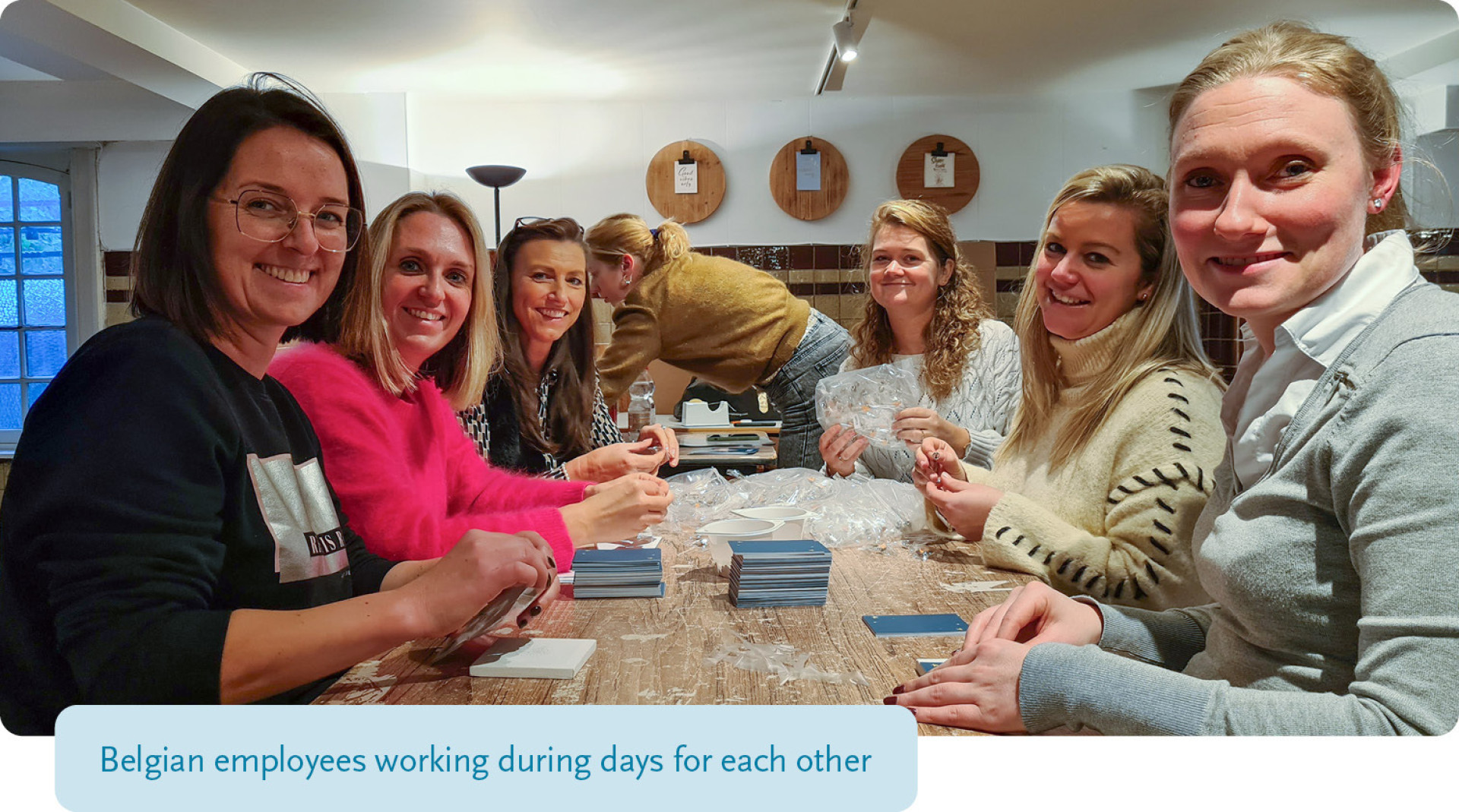
DELA was founded through a sense of solidarity and the value we attach to social engagement. We believe it is important to contribute to society and be there for each other. Every employee is given the opportunity to spend one working day a year on volunteer work without having to use one of their own day offs.
We have our own DELA Fund in both the Netherlands and Belgium. Everyone can submit projects to the funds that are aligned with their themes. In the Netherlands the fund focuses on connecting the generations, while in Belgium it revolves around making the difficult times around saying goodbye more bearable.
The Dutch Fund received nearly 350 requests from associations and foundations and contributed to 183, with 147 receiving up to €1,500 and 36 between €1,500 and €10,000. We also collected warm winter coats from our personnel, which were distributed between Stichting Ervaring die Staat, The Salvation Army, t Hemeltje, De Kledingbank, Dress for Success, Awesome, de Kledingzolder and Huiskamer voor Vluchtelingen via ‘Samen voor Eindhoven’. Another Eindhoven initiative is GLOW, a free light art festival where artists and designers from the Netherlands and abroad showcase their light art and design applications. Our employees took elderly residents from De Zonnebloem out for a meal and a tour of the light art objects. Meanwhile, we’ve been collecting toys for the past decade for an annual Christmas event aimed at making the holidays for children from families registered with the local food bank a little better. In addition, our annual Christmas card campaign saw some 18,000 children colour cards for the elderly living in care homes.
In Belgium we supported various volunteer organisations looking to make the last farewell a little less painful via the DELA-Do-Good-Days. Other initiatives that received support included Kompas, an organisation for people with a disability who often depend on their carers when confronted with loss and grief. A place of solace was created in their garden especially for them, designed to help people come to terms with their loss. Another initiative involved a contribution of 5000 candles to Reveil, an organisation aiming to help change the Flemish culture of grief. The DELA Fund also supported the ‘De Panne Solace Capital 2023’ project, which concluded with a large event at the De Panne cemetery on 1 November where the beach was illuminated with the 5000 candles we financed.
In addition to the DELA Fund, sponsoring also helps us achieve the societal impact we hope for. Our goal is to facilitate tangible and positive change and disseminate this widely to serve as an example. In 2023 we once again sponsored the Roparun relay race where teams of people raise funds for cancer sufferers. DELA also took part with a team in the 32nd edition of the event, which raised over €2.6 million.
This year we decided to stop being a main sponsor for the Roparun from 2024 on, giving us the time and opportunity to explore other options. Our starting point remains to invest in initiatives which reflect our corporate social responsibility and effectively contribute to a sustainable impact on society.
Our finances
Our finances
We are focused on offering certainty, care and continuity rather than maximising profits. Our members and policyholders can look forward to the future with as few concerns as possible and a stable pay-out based on a premium that is kept as low as possible. We aim for an optimum balance between investments, profit sharing and solvency. Our financial position is exceptionally strong, allowing us to ensure members a funeral policy that holds its value.
The premiums charged are the result of a policy instrument determined by the general meeting. Member interests are also key when determining the premium. We share in both the benefits and the burdens. This is ultimately the strength of our cooperative.
Income from premiums
After deduction of the reinsurance premium, the premium income was €712.7 million (2022: 669.0 million), a 7 percent rise compared to the previous year (2022: 13 percent).
In the Netherlands, the premium income dropped by €6.9 million to €480.7 million mainly because the savings product became less attractive for some customers due to new tax legislation related to Box 3. In Belgium the premium income was €161.9 million (2022: €146.1 million), an increase of over 11 percent thanks to a gradually growing portfolio. In Germany the premium income increased by €34.8 million to €70.1 million, mainly due to the Monuta portfolio acquired at the end of 2022.
Premium income after deduction of reinsurance premium:
| Amounts x €1,000 | 2023 | difference | 2022 |
|---|---|---|---|
| Netherlands | 480,749 | -6,860 | 487,609 |
| Belgium | 161,889 | +15,800 | 146,089 |
| Germany | 70,063 | +34,750 | 35,313 |
| Total | 712,701 | +43,690 | 669,011 |
Operating result
The operating result is the result achieved from our core activities, not including exceptional income and expenses, profit sharing and taxes. The operating result for 2023 amounts to €36.1 million, which is lower than the €47.6 million in 2022 due to various incidental costs.
| Amounts x €1,000 | 2023 | difference | 2022 |
|---|---|---|---|
| Insurance company | |||
| Premium income | 712,701 | 43,690 | 669,011 |
| Interest accrued from technical provision | 189,851 | 11,010 | 178,841 |
| Underwriting costs | -657,284 | -41,282 | -616,002 |
| Technical margin | 245,268 | 13,418 | 231,850 |
| Operating expenses | 155,537 | 13,631 | 141,906 |
| Acquisition costs | 13,622 | -4,124 | 17,746 |
| Operating result Insurance company | 76,108 | 3,910 | 72,198 |
| Funeral company | |||
| Turnover* | 383,684 | 18,563 | 365,121 |
| Procurement costs* | -151,499 | -2,715 | -148,784 |
| Gross margin | 232,184 | 15,847 | 216,337 |
| - | |||
| Operating costs | 249,179 | 32,176 | 217,003 |
| Financial income (-) and costs | -1,012 | -296 | -716 |
| Operating result Funeral company | -15,982 | -16,032 | 50 |
| Operating result Voor Elkaar Holding | -2,652 | -1,954 | -698 |
| Operating result Holding and staff | -4,026 | 2,216 | -6,242 |
| Operating result cooperative | -17,358 | -1,266 | -16,092 |
| Effect group policies | - | 1,616 | -1,616 |
| - | |||
| Operating result DELA Group | 36,090 | -11,510 | 47,600 |
The insurance company’s result was €74.2 million, 3 percent higher than in 2022.
The result of the funeral company was minus €16 million (2022: €0.1 million). This can partly be attributed to a rise in the subcontracting of external funeral directors and transport as a result of the high level of absence due to illness and the need to train new employees. In addition, we had not processed all the higher energy costs and personnel costs due to inflation in our funeral rates in 2023, partly because the price for the DELA Uitvaartplan insured package had already been determined by the general meeting in May 2022.
The costs attributed to the VEH, staff departments and cooperative were €24.0 million (2022: €23.0 million), partly due to the extra expenditure on the new strategy and innovation projects.
Investment result and policy
The net investment return over 2023 was 4.6 percent (2022: minus 9.5 percent). Shares had a return of 14.3 percent and fixed-income securities were 7.2 percent. The return on investments in real estate was minus 7.9 percent. The return on infrastructure and agriculture & forestry was respectively 5.3 percent and 2.6 percent. The net investment result in 2023 amounted to €337 million (2022: a loss of almost €840 million).
The volatility in the value of our investments is a direct consequence of our strategic investment choices. These are aimed at achieving the solid long-term returns on which the premium is based as well as to offset any rise in funeral costs. The nature of the insurance policies (in most cases paid out in the event of death) leads to long-term obligations. Investment results can fluctuate as this extended horizon requires an offensive strategy. By accepting a calculated risk in our investment strategy, we have been able to achieve the required results over the years. A consequence of this policy is that there are sometimes significant fluctuations in the value of our investment portfolio.
Sustainable investments
DELA takes the issue of social responsibility very seriously and that certainly extends to our investment policy. Legislation and regulations, social developments and the wishes of our members are taken fully into account. We also integrate climate scenarios in the periodic ALM studies to gain an insight into their impact on the long-term development of our assets.
While we obviously strive to achieve the best return on our investments, we also monitor the societal changes we can support with those investments. We believe that profitability and sustainability go hand in hand: businesses that focus on sustainability in their policy and management are often more stable and financially healthier with a better risk awareness.
It is our ambition to reduce the net CO2 footprint of our investments by 50 percent in 2030 compared to 2019. We assess new initiatives and investment opportunities based on this goal and always consider how they might contribute. Determining and comparing CO2 emissions is a challenge as data comes from various providers and external capital managers. Moreover, not all companies we invest in report on their CO2 emissions. The number of companies publishing non-financial data such as on emissions is growing, however. We are currently monitoring the supplied data, with the aim of using the same source as much as possible to enable accurate comparisons The CSRD legislation is expected to further improve the availability and quality of data. We are currently having discussions with our external capital managers to compile a unilateral report on non-financial data including CO2 emissions.
Legislation and regulations serve as the foundation for sustainable investments. DELA Cooperative has followed the Principles for Responsible Investment (PRI) since 2015. Recognising that the DELA Group can further increase its impact by working with other major investors, we have an ongoing dialogue with various parties, including the Dutch Association of Insurers. DELA’s investment policy also takes into account the standards of the United Nations, such as the Global Compact Principles and Guiding Principles, as well as the OESO guidelines for multinationals and the Sustainable Development Goals (SDGs). By endorsing standards like the Global Compact Principles and OESO guidelines, we expect the companies in which we invest to align their activities and strategies with ten universally accepted principles related to human rights, labour, the environment and anti-corruption
To encourage energy efficiency in our real estate and infrastructure funds, we use the Global Real Estate Sustainability Benchmark (GRESB). This is an independent assessment of worldwide real estate funds and portfolios which compares sustainability performances. In our accounting we use the guidelines of the Task Force on Climate-related Financial Disclosures (TCFD). Since 2022 DELA is also reporting based on the EU Taxonomy. Designed by the European Commission, the system makes clear which activities can be designated and labelled as sustainable.
Sanctions legislation has an impact on the investment portfolio. Companies and countries that violate international legislation, sanctions and guidelines in the field of sustainability are excluded. Nor do we invest in companies involved in the development, production or maintenance of a number of controversial weapons. We also exclude companies that generate a substantial part of their turnover from the following sectors:
• Tar sands
• Coal
• Shale energy
• Oil & gas extraction on the North Pole
• Tobacco, fur & special leather
• Predatory loans
• Whale meat
• Assault weapons for private buyers
• Recreational cannabis
We see sustainable investments as an essential topic in all decisions made. ESG is always immediately included in the selection and monitoring of a asset manager as we believe it is extremely important that the manager is intrinsically motivated to include ESG in all aspects of the investment processes. We also have a number of general starting points for sustainable investments which reinforce the aspects we find most important. Various other instruments are deployed in this framework in addition to the aforementioned exclusion of companies and sectors.
Engagement
We maintain a dialogue with companies in which we invest in order to influence their approach to sustainability, stimulate the implementation of environmental improvements and mitigate sustainability risks. To realise our engagement and voting policy we work with a professional partner that was selected for having an approach and goals that are in line with our ambitions. This party helps us determine new engagement priorities on an annual basis, how to vote at annual general meetings of shareholders and ways to cooperate with other investors or stakeholders. These priorities are determined in close consultation with other clients.
By outsourcing engagement and proxy voting to a professional partner, invested capital from multiple (institutional) investors is combined. The larger collectively invested capital is then used in engagement initiatives. Joining forces means we can have an even greater impact, which in turn encourages companies to manage their operations in a responsible way on behalf of society and the environment.
Voting rights
DELA has its own voting policy which entails that we exercise our right to vote in as many shareholder meetings of the companies in our investment portfolio as possible. An active voting policy is part of the dialogue with these companies. We also enter into discussions with other major investors where we wish to see improvements in the field of ESG.
Sustainable investments
We make investments when we see opportunities in specific sustainable investments or funds.
Activities in 2023
In early 2023 we organised an inspiring round-table meeting on the subject of impact investing. This was organised after a previous consultation of members indicated a desire to learn more about the subject. The participants gained various insights that contributed to a broader vision on the opportunities and challenges of impact investing. These include the importance of having a good definition of impact investing in order to make the right choices.
Impact investing comprises three components: intention, return and measurability. A major challenge experienced when making impact investments is finding the right balance between financial return and social impact. Although Key Performance Indicators (KPIs) are useful, it is crucial to remember that the story behind the company and the performance in achieving goals really matter. This is why it is important not to get lost in indicators. The joint conclusion of the meeting was that cooperation is of the essence. By joining forces with investors, companies and social institutions, we can have a greater impact and help realise sustainable change.
Consultations also showed that members find it inappropriate to invest in the gambling industry, which is not in line with the societal impact we aim to have or the spearheads of VEH. In 2023 we therefore had various internal meetings to discuss this further, and eventually decided to add this sector to our exclusion list next year.
We also decided to start investing in forestry. The reason to expand our investment portfolio in this way is threefold: returns, diversification and sustainability. We initiated a selection trajectory in 2023 and selected a manager after an extensive due diligence process. The first investments in forestry are expected in early 2024.
In our dialogue with companies (engagement) we spoke with 380 companies in the share and company bond portfolio in 2023. The main topics of discussion were climate change and corporate governance, and we achieved a desired result 114 times. We exercised our right to vote in 3,162 shareholder meetings and in 16% of cases voted against. This mainly involved issues such as administrative issues and remuneration. In late 2023 we had excluded 557 companies and 19 governments/countries.
As DELA we hold the tenth spot in the VBDO benchmark, which compares the sustainable investment policy of Dutch insurers. There are several focal points: the call to work with institutional investors, NGOs and governments is growing; developments are also progressing quickly, which requires broad knowledge acquisition; and the requirements regarding transparency and accounting are increasingly strict.
Development of technical provisions
The technical provisions including a provision for profit-sharing and minus deferred acquisition costs and reinsurance increased by €489.7 million. The technical provisions on our balance sheet are based on fixed principles such as the actuarial interest. This is why the impact of higher or lower interest rates and/or inflation on the technical provisions is not visible on this balance sheet provision. On the basis of market value, the technical provisions increased by €539.3 million. This difference of €49.7 million is also shown in the reduction of the surplus value of the liability adequacy test on the technical provisions.
Coverage ratio
The coverage ratio represents the market value of the investments in percentages of the market value of the guaranteed liabilities and depends on factors such as interest rates, mortality and costs. The coverage ratio at the start of the year under review was 234 percent and ended at 219 percent.
In 2023 we saw a slight fall in interest rates compared to the significant increases in 2022. This resulted in a 19 percentage point reduction of the coverage ratio in 2023. Higher expected future costs led to a decrease of 6 percentage points. Developments in the insurance portfolios and lower inflation each resulted in an increase of the coverage ratio by 4 percentage points and the investment results led to a 3 percentage point increase. The average coverage ratio during 2023 was 251 percent (2022: 195 percent).
Coverage developments in %-points:
| Start of year | Dampening effect | Enhancing effect |
Year-end | |
|---|---|---|---|---|
| Start of year | 234% | |||
| Lower interest rate | -19% | |||
| Increase in expected costs | -6% | |||
| -25% | ||||
| Developments in insurance portfolio | 4% | |||
| Decreased inflation | 4% | |||
| Investment result | 3% | |||
| Other factors | 0% | |||
| 11% | ||||
| Year-end | 219% |
The average coverage ratio during 2023 was 251 percent. This high ratio led to a high profit share.
Stable pay- out for funerals
The average coverage ratio in a year (partly) determines the profit distribution scheme for the following year for all such products in the Netherlands, Belgium and Germany.
We aim to offer members an inflation-proof funeral. Funeral costs rise over time due to inflation. Premiums are also increasing due both to inflation as well as back-service costs. When funeral costs increase during the term of the funeral insurance, the amount paid in over the underlying years is based on an insurance value that was too low. This difference must be made up for in the future, a correction called a back-service. In principle, therefore, an increase in funeral costs leads to a higher percentage increase in the premium, one which we strive to limit using profit distribution.
The amount being shared depends on inflation: the higher the inflation rate, the higher the back-service and the greater profit we aim to share in principle. There are certain limitations to the extent to which profit distribution can be used in a year, one of which is determined by the average coverage ratio over the past 12 months. If the average coverage ratio is 210 percent or higher, the profit will be distributed. A coverage ratio of between 120 percent and 210 percent leads to a partial distribution of profit. Under 120 percent no profit is distributed. If the 20-year interest rate drops below 1 percent and the coverage ratio is lower than 120 percent, a premium measure (additional premium increase) will be applied.
Profit sharing
In 2023 profit sharing was determined at €249.2 million (2022: €43.7 million). Funeral costs rose by 6.62 percent as the increased price inflation was higher than usual. The average coverage ratio was high, which enabled us to realise a profit share of 83 percent to DELA UitvaartPlan policyholders in the Netherlands. Profit sharing was also high for policyholders of the funeral product in Belgium. All in all, the result was a historically high profit share for our policyholders.
| Amounts x €1,000 | 2023 | 2022 | 2021 | 2020 | 2019 |
| Granted | 249,224 | 43,654 | 5,940 | 42,994 | 42,323 |
DELA has awarded profit sharing worth €574 million in total over the past ten years.
Premium adjustment
Around 55 percent of insurance customers have the DELA UitvaartPlan. The premium increase for the UitvaartPlan in the Netherlands on 1 January 2024 was 7.57 percent (1 January 2023: 2.96 percent). In principle this was based on three factors, namely inflation, allocated profit sharing and the possible premium measure. Here we explain how these factors have contributed to the rise:
- 6,62% Increase related to rising funeral costs.
This component of the premium change is determined annually by the general meeting. The expected inflation rate for the following year determines the proposal for the premium increase as of 1 January. The expected inflation was 6.62 percent and this was the figure proposed to and adopted by the general meeting as the component for the premium adjustment on 1 January 2024; - 0,95% Increase related to not fully awarding profit distribution for the coverage of the back-service.
The total premium for the back-service is 5.56 percent, 83 percent of which is allocated as a profit-sharing percentage. The other 17 percent needs to be covered by policyholders. - Increase related to the premium measure as a result of a structurally low interest rate and low coverage ratio.
A premium measure didn’t apply as the average coverage ratio was above 120 percent in 2022.
Solvency ratio
DELA determines its solvency in accordance with the Solvency II capital regime, hence the name Solvency-II ratio. This involves European calculation rules in which the risks included in the balance of the insurer are taken into account in determining the solvency. The Solvency-II regulation demands sufficient solvency as a precondition for profit distribution.
The solvency ratio has decreased from 226 percent to 208 percent at the end of the year and is still considered robust.
Due to developments in investment returns, the asset mix, interest rates, inflation and volatilities, the Solvency II ratio decreased by 6 percentage points, while lower expected future funeral cost inflation compared to the price inflation resulted in a decrease of 9 percentage points. A change in the premium measure policy as adopted by the general meeting resulted in an increase of the ratio by 8 percentage points. Other developments, such as the result of the holdings and the funeral business, a depreciation of the deferred tax assets and higher future costs, led to a decrease of 11 percentage points.
Solvency ratio developments in %-points:
| Start of year | Dampening effect | Enhancing effect |
Year-end | |
|---|---|---|---|---|
| Start of year | 226% | |||
| Adjustment of economic parameters (interest rates, inflation, volatility), asset mix, investment results | -6% | |||
| Lower expected funeral cost inflation | -9% | |||
| Other developments | -11% | |||
| -26% | ||||
| Adjustment of premium measure policy | 8% | |||
| 8% | ||||
| Year-end | 208% |
Our governance
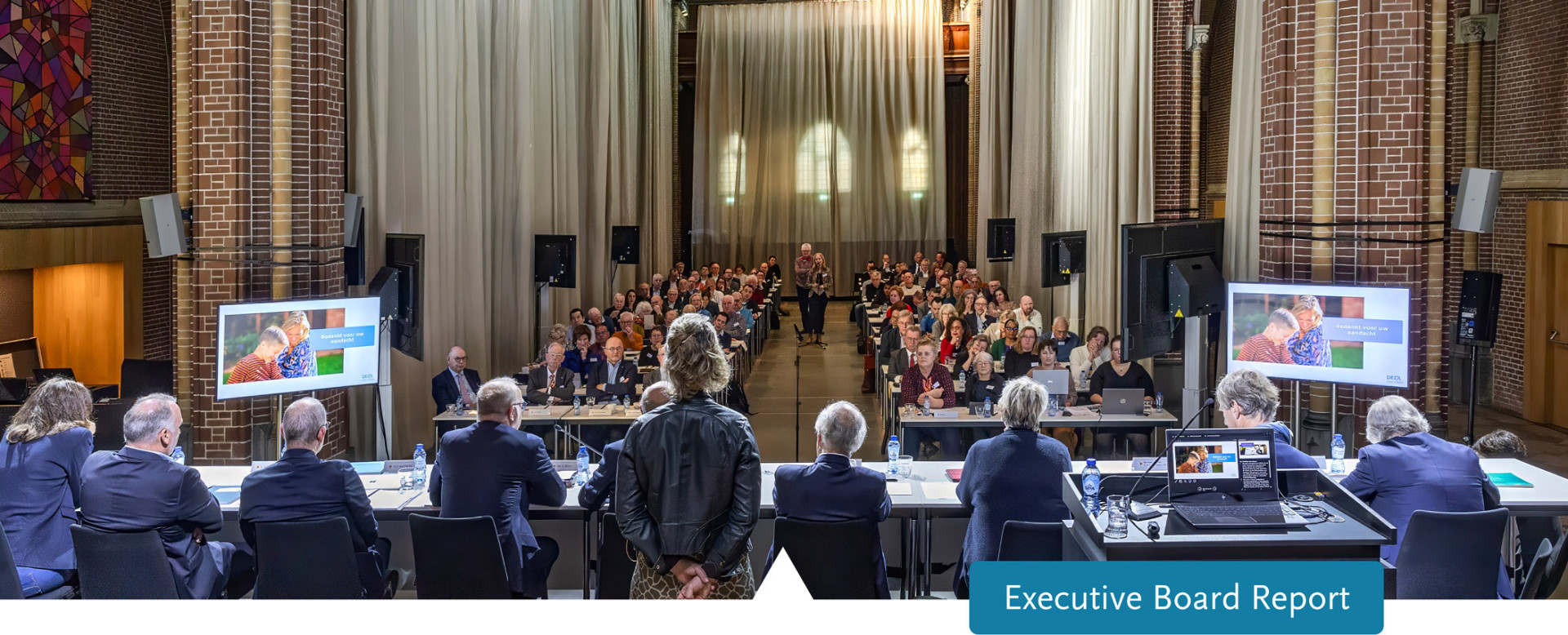
Our governance
Corporate governance involves due diligence, proper supervision and transparent accountability. Solidarity and the long-term interests of our members are central to all we do. The associated risks are carefully monitored and opportunities identified. DELA’s strength lies in its cooperative structure, entrepreneurship and the resilience to address risks and make the most opportunities. This strength is based on our mission, core values and assets, high-quality and honest business and the principles of a learning organisation.
Corporate governance
Governance charter
The governance structure is detailed in a governance charter.
This ensures that we comply with decrees and regulations based on European legislation such as Solvency II, the General Data Protection Regulation, the Digital Operational Resilience Act (DORA) and the Corporate Sustainability Reporting Directive (CSRD), along with national legislation and regulations like the Dutch Financial Supervision Act, policy regulations and best practices from regulators and the Code of Conduct for Insurers. Our company culture is another major component herein.
Our governance charter is evaluated on an annual basis and was last adapted at the end of 2022.
Legal structure
DELA Coöperatie UA (hereafter: 'DELA’) is a cooperative for members with the following purposes:
• supporting members in word and deed by serving the interests of its members;
• ensuring policyholders and co-insured a dignified and affordable funeral;
• promoting the reputation of the life insurance market and the funeral sector.
DELA is a cooperative with exclusion of liability for its members. It is formed by all insured persons who become a member of the cooperative when entering into an insurance policy agreement with the cooperative. This was expanded in 2022 with the addition of DELA Belgium’s Uitvaartzorgplan, which means that newly insured persons in Belgium can also become a member of the cooperative. This also applies to existing members in 2024.
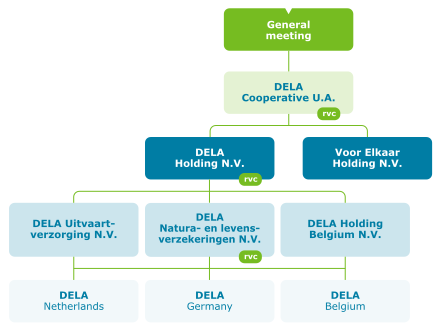
DELA includes DELA Holding NV and Voor Elkaar Holding NV. The Board members of the cooperative are also the Board members of these two entities.
DELA Holding NV includes three principal companies: DELA Natura- en levensverzekeringen NV (hereafter: DELA Natura), DELA Uitvaartverzorging NV and DELA Holding Belgium NV.
DELA Natura accommodates all Dutch, Belgian and German insurance activities. The Belgian and German activities are carried out via a branch office of the Dutch insurance company.
DELA Uitvaartverzorging NV is responsible for funeral activities in the Netherlands. Belgian funeral activities are covered by the DELA Holding Belgium NV.
The principal companies include subsidiaries and participations. DELA Holding NV always governs the principal companies. Each principal company governs its subsidiaries. In addition, each company may have a director. The authority of each director is defined per company in its statutes, in the authorisation regulations for the relevant company segment and in the Chamber of Commerce registrations.
Voor Elkaar Holding NV (VEH) was established to enhance solidarity and a sense of unity in society by means of cooperative business in the Netherlands. We always take the scalability and financial health of the relevant companies into account as we establish or invest in parties with a social mission. VEH is different from other investors and funds in the way it takes a unique position between private equity and philanthropy. VEH helps entrepreneurs develop their business further. Employing our capital and broad expertise in the fields of marketing, finance, sales, IT and innovation, we accelerate the growth of these participations both organically and via acquisitions. We also enhance their societal impact.
VEH has established an investment advice committee (IAC) which provides the Executive Board with solicited or unsolicited advice about the decision-making process related to the investments VEH aims to make. The IAC meets periodically.
Permits and supervision
DELA’s registration number at the Chamber of Commerce is 17012026.
DELA Natura is supervised by The Netherlands Authority for Financial Markets (AFM) and Dutch central bank (DNB), and is registered under licence number 12000437. The Chamber of Commerce registration number of DELA Natura is 17078393.
DELA Belgium carries out insurance activities which are accommodated by the Dutch company DELA Natura, and funeral activities that are part of Belgian companies. Other activities in Belgium take place within the entity DELA Enterprises NV. The insurance activities are carried out under the licence issued by DNB and prudential supervision activities are also overseen in Belgium by DNB. With regard to the supervision of conduct, DELA Belgium is accountable to the Belgian Financial Services and Markets Authority (FSMA).
The insurance activities in Germany take place via a branch office in Düsseldorf (article 2:115 Dutch Financial Supervision Act), with an emphasis on marketing and sales. Other financial and actuarial activities are carried out at the head office of DELA Natura in Eindhoven. The insurance activities and prudential supervision in Germany come under the license issued by DNB with supervision of conduct provided by the Bundesanstalt für Finanzdienstleistungsaufsicht.
Members
Only natural persons can become a member of the cooperative. To become a member, they must enter into an (insurance) agreement as determined by the general meeting. The cooperative is divided into 40 geographical departments. The numbers, names and boundaries of the departments are described in the rules of procedure. Each member of the cooperative is part of a department.
Belgian policyholders have also been able to become members of the cooperative since 2022, initially as part of the Eindhoven department. A separate Belgian department will be established once a total of 100,000 members has been reached, a figure which we expect to attain in 2024.
DELA cooperative honorary members
Mr F.H.J. Boons
Mr J.A.G. Dirks
Mr W.M. van den Goorbergh
Mr S.C.J.J. Kortmann
Mr J. Kremers
Mr C.C.M. Libregts
Mr J.P. de Pender
Mr E. Doeve
On 17 October 2023 we received the sad news that honorary member and former Executive Board member/director A.J.M. Lauvenberg had passed away. He made a passionate contribution to our cooperative for many years.
Former CEO/Executive Board member Edzo Doeve was appointed an honorary member during the general meeting of 27 January 2024.
General meeting
The DELA general meeting acts as the ‘highest body’ and is formed by individuals chosen from the members of the cooperative. It is preferred that candidate to become a member of the general meeting have been a DELA member for at least five years.
The general meeting consists of one member and one replacement member from each department.
A complete and current overview of members per department is available on the DELA website via https:/www.dela.nl/over-dela/over-cooperatie-dela/governance/algemene-vergadering
Both the members and their replacements attend the general meeting, which regularly takes place twice a year.
The general meeting discusses issues important to DELA, such as the business plan for the coming year and the annual report of the concluded book year. In addition, it determines the financial statements and (normally) discharges the Executive and Supervisory Board. The general meeting also appoints directors and Supervisory Board members. Its approval is required for changes to some insurance conditions such as the annual premium increase of the DELA UitvaartPlan.
The general meeting is also provided with information about (strategic) developments of importance to the cooperative such as taking a member-driven approach. Details on areas such as the DELA Fund, complaint procedures and funeral service methods are also on the agenda.
Confidential committee
A confidential committee comprised of four members is selected by the general meeting, tasked with promoting cooperation between the general meeting and the Executive Board and Supervisory Board within the framework of the general meeting’s authorities. To facilitate this role the confidential committee is invited by the Supervisory Board to meet with them prior to each general meeting. In addition, the committee has at least one meeting a year with the Executive Board.
Every member of the confidential committee is selected for a period of no more than four years. One member steps down each year in accordance with a schedule drawn up by the committee. A member who steps down can be immediately re-elected. The maximum term on the confidential committee is 12 years.
Supervisory Board
The Supervisory Board consists of at least five and at most seven natural persons as determined by this Board. If possible, two members will also be (replacement) members of the general meeting. The composition of the Supervisory Board is such that the combination of experience, expertise and independence of its members meets the Supervisory Board profile and allows it to perform its various duties. The members are appointed by the general meeting based on the suggestion of the Supervisory Board.
The tasks and duties of the Supervisory Board include overseeing, monitoring and providing advice to the Executive Board on:
- realisation of the goals of the cooperative;
- the strategy and risks related to its activities;
- the setup and functioning of internal risk management and control systems;
- the financial reporting process;
- compliance with legislation, regulations and the risk policy;
In addition, the Supervisory Board is responsible for:
- compliance with and enforcement of the corporate governance structure;
- approving the financial statements, budget and material capital investments;
- selecting and appointing the external accountant and auditor;
- approving the risk tolerance;
- nominating members of the Executive Board for appointment and resignation;
- determining the remuneration policy.
The Supervisory Board evaluates the remuneration policy and the functioning of the Executive Board. The chair is the point of contact for any alleged irregularities regarding the functioning of Executive Board members. In fulfilling its duties, Supervisory Board members focus on the interests of the cooperative and its associated companies. They carefully consider the interests of the various stakeholders of the cooperative in doing so, including members and employees. The Supervisory Board itself is responsible for the quality of its own functioning.
Regulations
The Supervisory Board has internal regulations that provide rules for its decision-making process. The regulations are drawn up by the Supervisory Board and adopted by the general meeting. They serve as a supplement to the regulations and guidelines that apply to the Supervisory Board based on Dutch legislation and the cooperative’s statutes.
Appointment and term
Each Supervisory Board member is appointed for a period of up to four years and can be re-appointed twice. The final four-year term will consist of two two-year periods with an interim evaluation. A member will step down at the latest after the first general meeting held after four years have passed since their last appointment. A member who is stepping down can be reappointed immediately, insofar as the maximum term of 12 years is not exceeded
Committees
The Supervisory Board has an audit committee, risk committee and a remuneration and appointment committee.
Participations
The members of the DELA Supervisory Board are also appointed as Supervisory Board members for DELA Holding NV and DELA Natura. The establishment of a Supervisory Board for DELA Natura was compulsory to meet the requirements of the Dutch Financial Supervision Act.
Personal details of the Supervisory Board
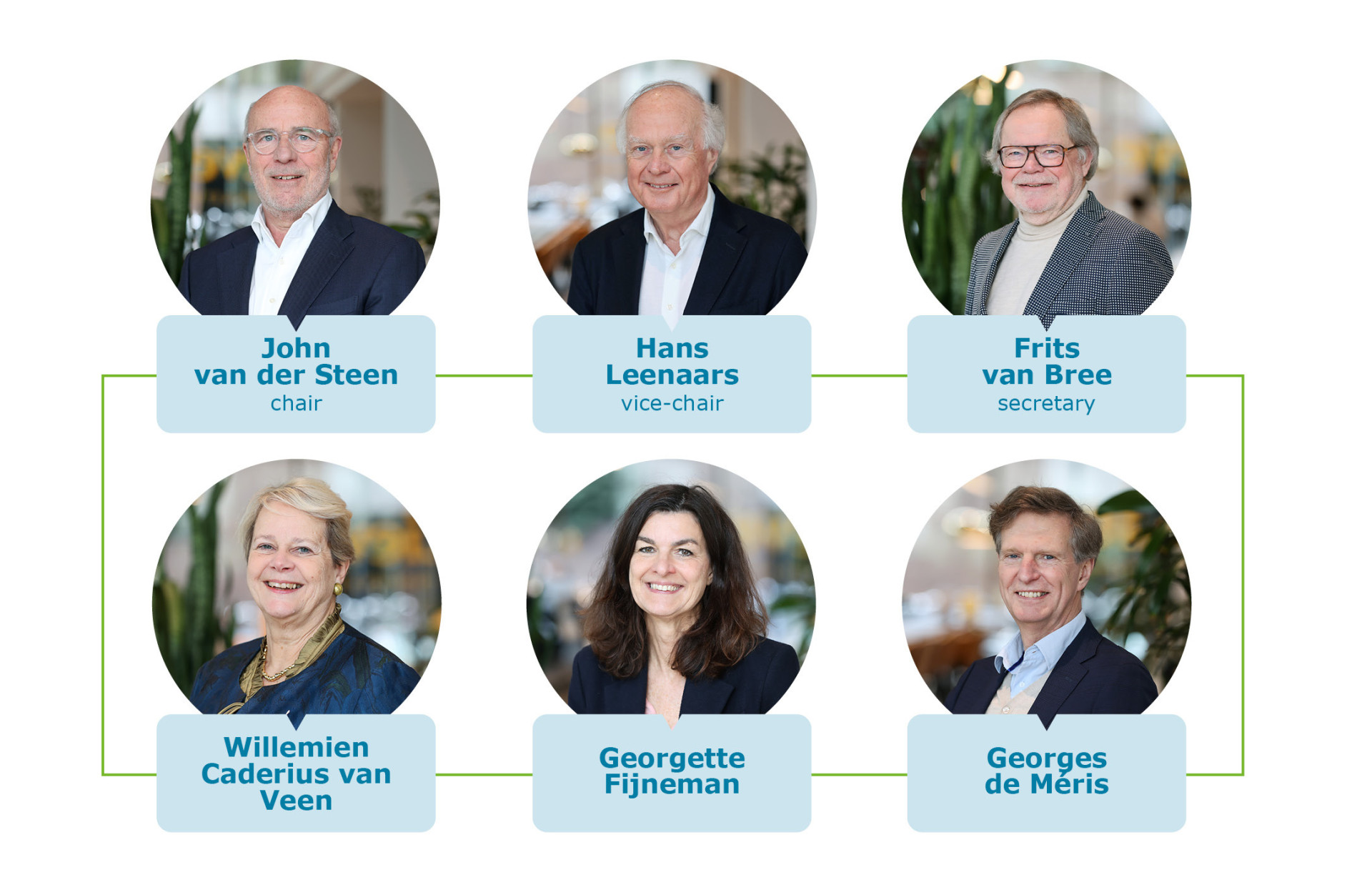
The Supervisory Board has six members. All are part of the Supervisory Board of DELA Coöperatie UA, DELA Holding NV and DELA Natura- en levensverzekeringen NV.
J.W.Th. (John) van der Steen (1954), chair
Male, Dutch citizen. Appointed in 2019, currently serving second term. Function: professional supervisor, DGA Ansteen Holding BV. Other additional functions: chair of Supervisory Board of BinckBank NV, chair of Supervisory Board of Princess Sportsgear & Traveller BV, member of the Executive Board of Stadhold (Randstad) Insurances SA and Stadhold Reinsurances SA, member of Executive Board of Vereniging AEGON, Ambassador for Royal Concertgebouw Orchestra.
J.J.A. (Hans) Leenaars RA (1952), vice-chair
Male, Dutch citizen. Appointed in 2015. Currently in third term. Position: professional supervisor. Additional functions: member of Executive Board of Stichting John van Geunsfonds, chair of Supervisory Board of Stichting Het Klooster Breda, chair of Executive Board of Stichting Via Nobel, Chair of Advisory Board of ILFA BV.
G.C.A.M. (Frits) van Bree RA (1952), secretary
Male, Dutch citizen. Appointed in 2021 by members of the general meeting, currently in first term. Position: professional supervisor. Additional functions: council member of Vereniging Eigen Huis.
W.A.P.J. (Willemien) Caderius van Veen RA (1959)
Female, Dutch citizen. Appointed in 2014 and now in third term. Position: professional supervisor, DGA Caadje BV. Additional functions: member of Supervisory Board of Unilever Nederland Holdings BV, chair of the Review Committee Pensioenfonds Lloyds Register Nederland, member of Supervisory Board of Woningcorporatie Trivire, member of Supervisory Board of Ondernemingspensioenfonds Capgemini, member of Supervisory Board of the Dutch foundation for liver and gastrointestinal research (SLO) at EMC Rotterdam, Executive Board member of STOER foundation in Rotterdam.
G.M. (Georgette) Fijneman (1966)
Female, Dutch citizen. Appointed in 2022, currently in first term. Position: chair of Executive Board of health insurance company Zilveren Kruis. Additional functions: vice-chair of Zorgverzekeraars Nederland, Executive Board member of Kansfonds.
G.H.C. (Georges) de Méris FCA (1961)
Male, Dutch citizen. Appointed in 2019 by members of the general meeting, currently serving second term. Position: independent consultant and professional supervisor. Additional functions: chair of Executive Board of Stichting AK Stop Diabetes Invest, member of Supervisory Board of Omroep Brabant, chair of Supervisory Board of Hy2Care BV, chair of Supervisory Board of Caelus BV, chair of Supervisory Board of Matisse BV, board member at Stichting SFO.
Executive Board
The cooperative has an Executive Board which consists of a number of natural persons to be determined by the Supervisory Board. With the exception of limitations indicated in the statutes, the Executive Board manages the cooperative and its capital. The Executive Board can determine which special tasks will be assigned to which of its members. The task distribution must be approved by the Supervisory Board.
Personal details of the Executive Board
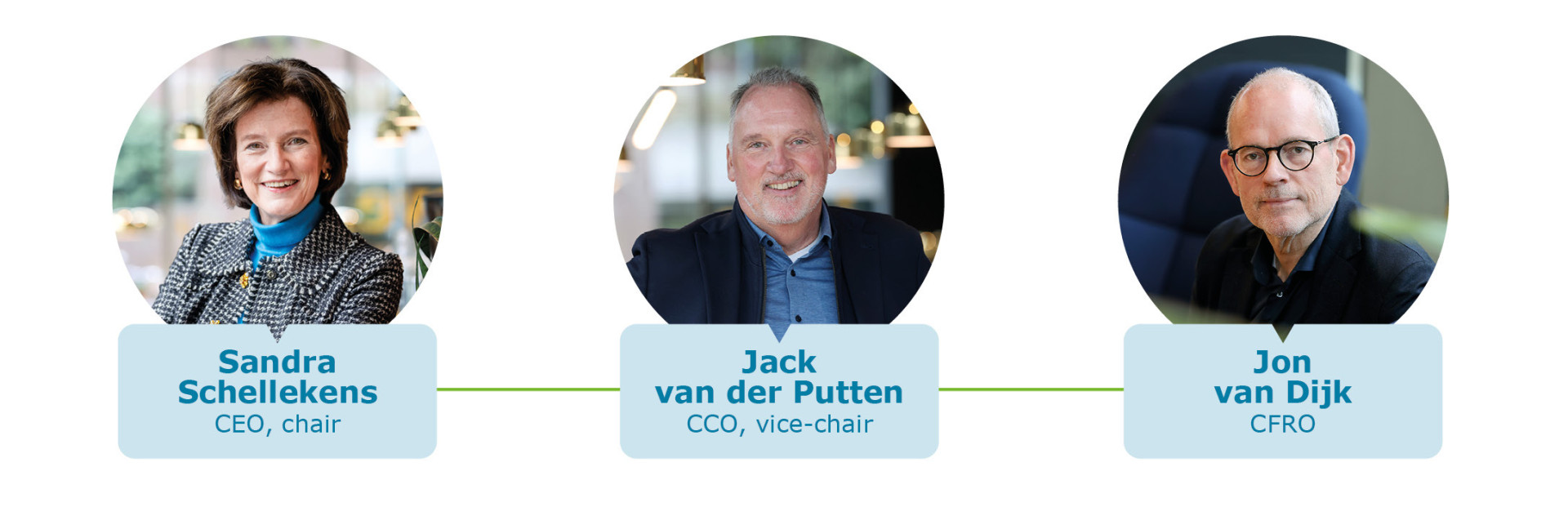
S.M.G. (Sandra) Schellekens – Lyppens (1965), CEO, chair
Female, Dutch citizen. Position in the DELA Group: CEO, chair of Executive Board (since 27 January 2024). Focal areas: strategy, internationalisation, general policy and DELA Belgium. Also Managing Director of DELA Netherlands since 27 January 2024. Appointment period: four years, starting on 27 January 2024. Additional functions: Supervisory director at Rabobank Regio Eindhoven and ZLM Verzekeringen.
J.A.M. (Jack) van der Putten (1959), CCO, vice-chair
Male, Dutch citizen. Position in the DELA Group: CCO, deputy chair of Executive Board (since 2010). Focal areas: strategy, membership, customer strategy and Voor Elkaar Holding. Also Director of DELA Netherlands (since 2010). Appointment period: indefinite. Additional functions chair of Stichting Onbeperkt Genieten.
J.L.R. (Jon) van Dijk (1957), CFRO
Male, Dutch citizen. Position in the DELA Group: CFRO, member of Executive Board (since 2014). Focal areas: strategy, finance, riskmanagement, tax and DELA Germany. Appointment period: indefinite. Additional function: board member Stichting Derdengelden Muntenburg Advocatuur.
Independent business segments (ZBOs) and directors
DELA Group has independent business segments (ZBOs), namely DELA Netherlands and DELA Belgium. ZBOs have their own management team which report to the Executive Board. The management teams have regulations that include the responsibilities and authorisations of the team. One member of the Executive Board has been appointed as the primary person responsible for a business segment.
DELA Netherlands directors
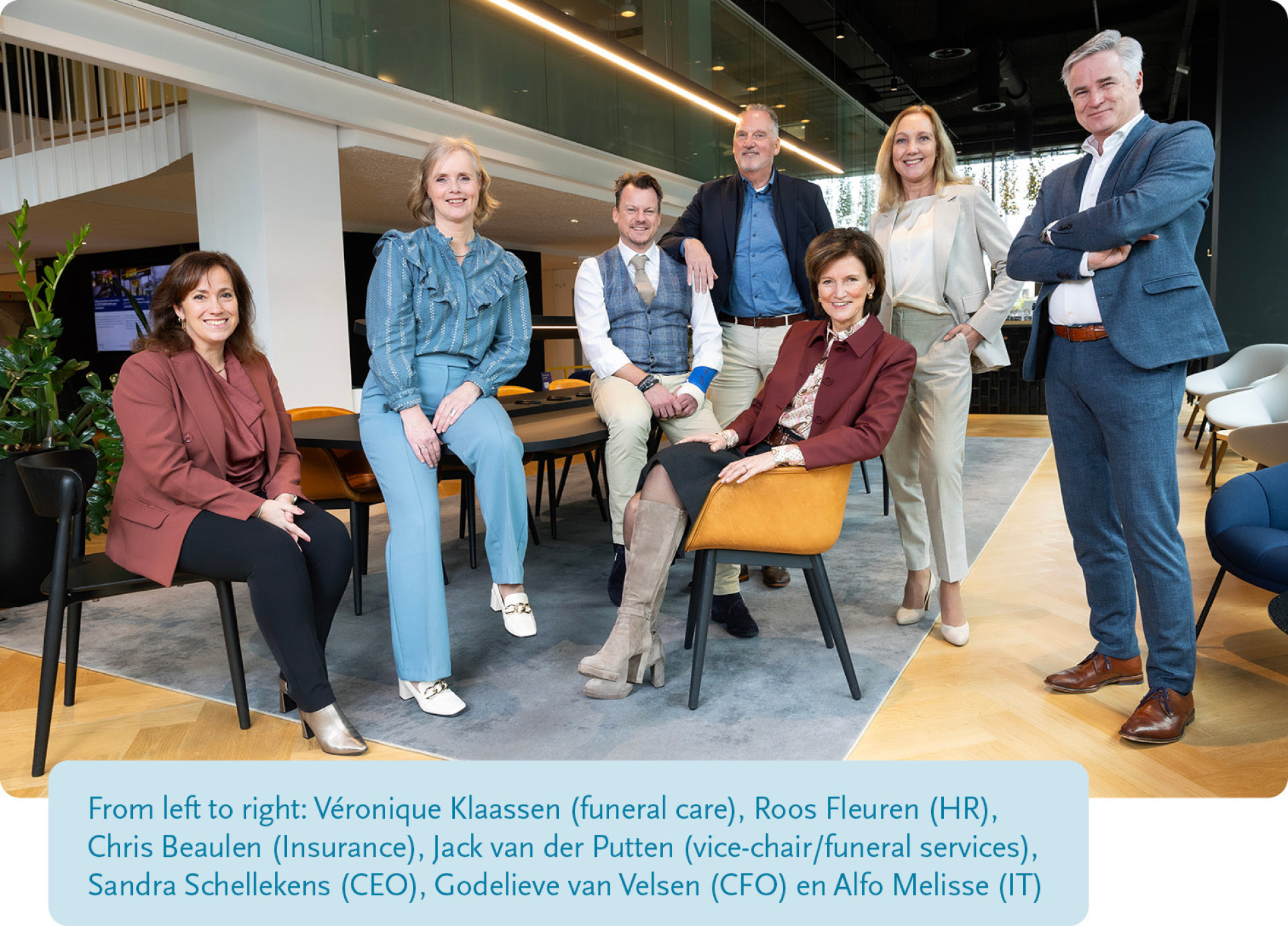
DELA Belgium directors
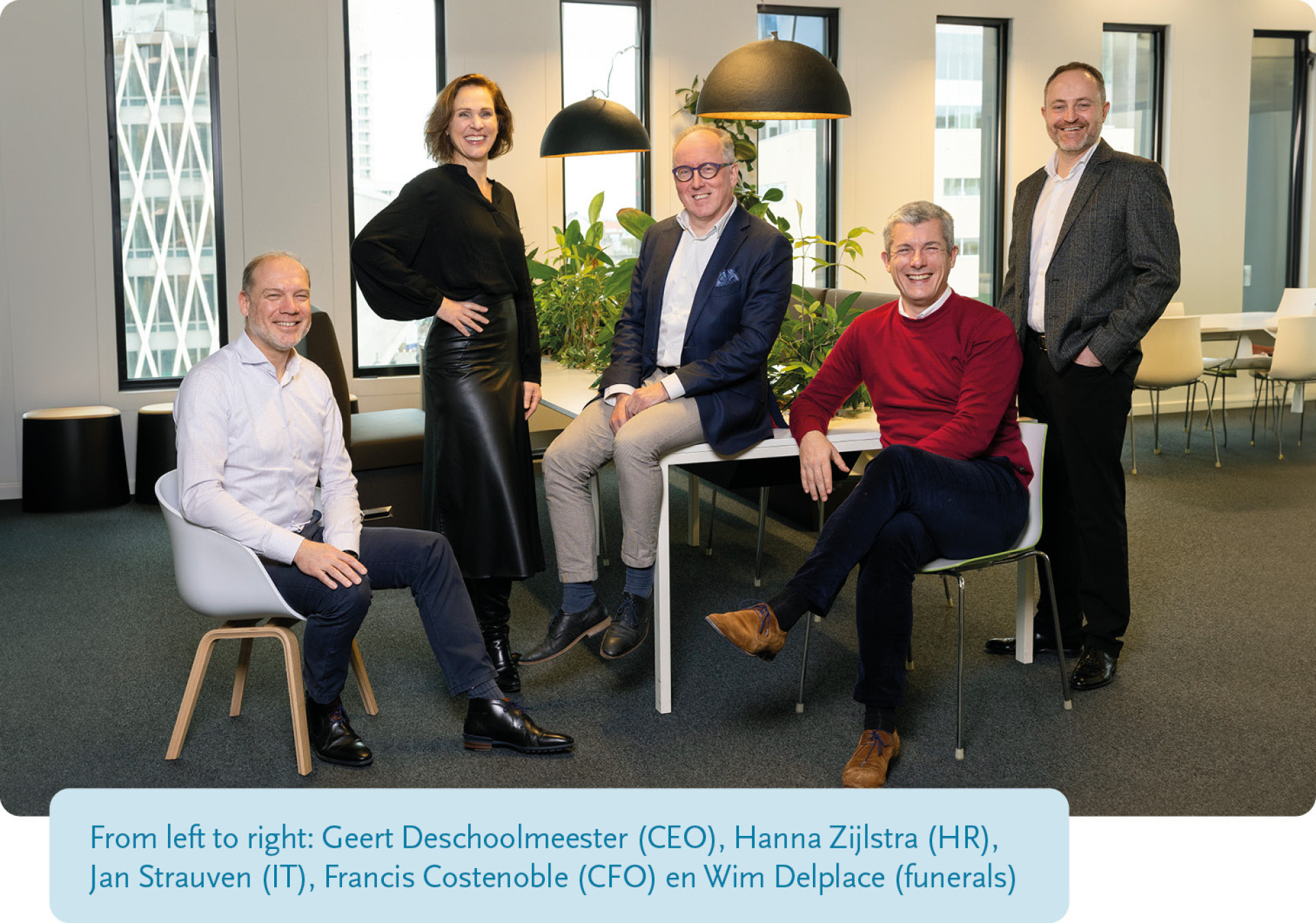
An independent business segment management team is tasked with implementing the strategy, managing and providing management information for the consolidation of the group, dealing with formal/legal issues, and sound decision-making as defined in the statutes of the segment and the regulations. This management model ensures professional and well-balanced operations with proper checks and balances.
Voor Elkaar Holding and DELA Germany also operate largely independently with their own director who reports to the Executive Board of the DELA Group.
DELA Germany
Voor Elkaar Holding
Policy
Policy that applies to the entire group falls under the responsibilities of the Executive Board and is considered group policy. All policy is in principle group policy but should that prove not to be possible then a specific policy exists which relates to a ZBO within the group frameworks. The latter comes under the responsibilities of the management team of that segment. Group policy issues include sanctions, CDD (Wwft), branding, IT (including DORA), data management, security, privacy, investments, capital (management), ORSA, ALM, tax, reporting & control, communications, CSR, remuneration, risk management and internal control.
Investments
DELA Group’s investment activities are run from the Netherlands. DELA has an investment advisory committee (BAC) which has an advisory and evaluating role to the Executive Board on investments. In addition, it is asked for advice regarding policy proposals, policy changes and the implementation of policy in this field. If the committee’s advice is ignored by the Executive Board, the Executive Board must report this to the Supervisory Board. The investment advisory committee has an explicit advisory role and evaluates whether proposals are consistent, comprehensive and sound with regard to return, risk and sustainability. The Executive and Supervisory Board maintain their own responsibilities. The investment advisory committee is composed of at least three external members who are appointed by the Supervisory Board as proposed by the Executive Board.
Acting with integrity
We find it important to have a consistently professional and well-balanced business with appropriate checks and balances within the right culture. The culture is characterised by the values of engagement, integrity and entrepreneurship. The Executive Board is responsible for ensuring adequate guarantees with regards to ethical business operations.
An important part of our integrity policy is to ensure that every employee acts with integrity, which means being respectful, transparent and reliable. To further define the term, a code of conduct was published for employees in the Netherlands which includes the underlying rules employees should follow to enhance their integrity on various focal areas. The rules are set out on issues such as conflicts of interest and corruption, undesirable behaviour, reporting malpractices, unauthorised competition and private investment transactions.
The code of conduct and underlying rules are based on Dutch legislation and regulations. DELA Belgium has an integrity code with underlying rules which are focused specifically on the Belgian situation and market, including legislation. DELA Germany has written a handbook related to acting with integrity based on the Dutch code of conduct and in accordance with German legislation.
Another important aspect of acting with integrity is that employees can report misconduct (anonymously if desired) to all managers, our confidential committee or the chairman, after which the issue is investigated further. Specifically for Belgium, a legal obligation for companies with over 250 staff was implemented in February 2023 to establish an internal reporting channel where whistleblowers can report misconduct. This channel protects the identity of the person and any third parties involved, employing dedicated Whistleblower software: a user-friendly application that enables the secure exchange of information with maximum respect for privacy. Misconduct can be reported by (former) employees, but also by volunteers, managers, independent service providers, suppliers and subcontractors. External parties can submit a report via our website www.dela.be. Reports are always followed up by an independent party.
In addition, we believe that acting with integrity includes paying our suppliers in good time. In the Netherlands we therefore apply a standard payment term of 30 days for paying invoices, and a 60-day term in Belgium. The average payment term in 2023 was 28 and 38 days respectively, complying with our policy. In return, we expect our suppliers to act with integrity too. Periodical due diligence research is carried out for new partnerships and existing contracts to see if there is (any suspicion of) misconduct, corruption or non-payment by suppliers down the chain.
Risk management
Risk management makes a direct contribution to long-term goals and provides an insight into the sensitivities and correlations of strategic, financial, operational and compliance risks to ensure that we can effectively address developments and take timely action to realise our goals and secure continuity of the organisation.
In practice
DELA applies the ‘three lines of defence’ model for the setup of the management and control of risks:
- The first line is primarily responsible for realising the formulated goals of the company and the demonstrable realisation of internal control measures and effective risk management. Responsibilities of the first line include the operations, results, definition of risk appetite, management and compliance with internal control measures;
- The second line provides advice, coordinates, safeguards and evaluates – independently from the first line – whether or not the first line is actually taking responsibility and operating within the risk tolerance of DELA;
- The third line ensures additional assurance of the quality of internal control via audits.
The independence of the second and third lines is an important starting point to ensure this model functions properly, which is why it is safeguarded. The overview below shows a schematic representation of the model.
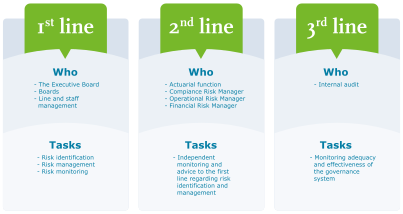
Process
We follow a process for risk management that ensures an insight into the main risks and opportunities in all circumstances. Opportunities, risks and applicable control measures are always carefully weighed. The risk management process is continuous as summarised in the following figure.
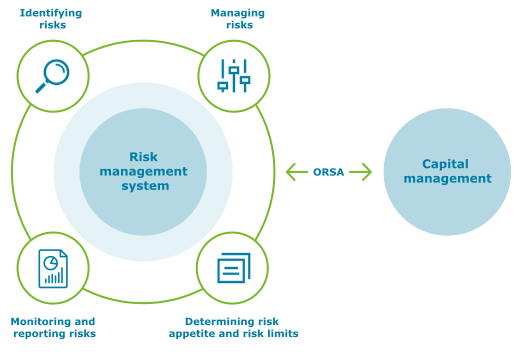
Identifying risks
Risk identification is primarily the responsibility of the first line. The second line periodically analyses the risks identified by the first line and supplements them where necessary, with a special focus on upcoming risks. This analysis is then discussed in meetings between the second and third line.
Below is a summarised risk profile for DELA. Further details of the risk categories included can be found in the risk section of the financial statements.
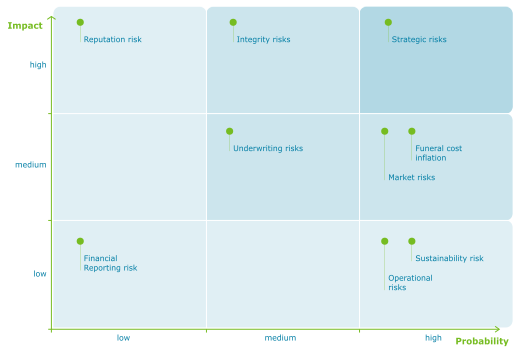
The figure above shows which risks are deemed important or less important. The overview is based on an estimate of the chance that a specific risk might occur combined with an estimate of the impact if that should be the case, taking into account the measures needed to limit the chance and/or impact.
Determining risk appetite and limits
The Executive Board evaluates the risk profile every year based on predetermined operational goals and the capacity of the organisation. In addition, the Board determines the risks DELA as an organisation is prepared to take – based on its risk profile – to achieve its strategic goals, in line with its risk appetite. In addition to the intended goals, it is essential that the continuity of the organisation is secured. The risk appetite consists of the risk appetite statements and the declarations on quality and quantity. These are translated into risk limits and risk tolerances to enable continuous monitoring and control. The table below shows the risk appetite for the main risk categories, with financial risks at the aggregated level.
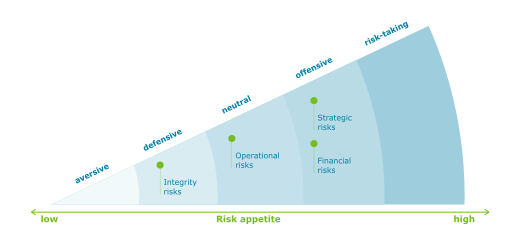
With regards to strategic and financial risks, we are willing to accept uncertainty – as part of our business model – even when the potential benefits are uncertain. We apply a defensive attitude for integrity risks and aim to run few risks in this area. Our appetite for operational risks falls in between the two.
A detailed explanation of the risk categories we apply and the underlying risks is included in the financial statements.
Managing risks
Risk mitigation solutions are applied to ensure the risks remain within the desired bandwidths. In most situations this involves a suitable mix of:
- terminating or outsourcing activities;
- reducing risks by applying preventative measures;
- transferring risks via (re)insurance and/or the application of contract management;
- accepting risks that can be carried by the organisation itself.
If risks are outside of the predetermined risk limits – and therefore greater than desired – management will take additional mitigation measures. The deliberate breach of risk limits is only allowed with approval from the Board, and only when of a temporary nature. The risk appetite statements were evaluated and optimised in late 2023, including changes to the thresholds. Our risk appetite regarding these risks did not change in 2023.
Monitoring and reporting
Monitoring and evaluating risks and the risk management system are important preconditions for the type of learning organisation that we aim to be.
In assessing a risk an evaluation is made of whether it remains outside the risk appetite level. The starting point is that risks exceeding the appetite are reduced to a lower risk level based on a good mix of risk mitigation solutions.
To ensure constant risk monitoring, management determines KRIs (key risk indicators) for each risk within the risk profile, monitors the development of these indicators at least once per quarter, and evaluates the extent to which risk limits and tolerances are exceeded. Extra management actions are defined when breaches occur. In addition, the second and third line periodically report to the Board.
Management periodically participates in a Risk Control Self Assessment (RCSA) process which results in a Control Statement (ICS). In addition, the Internal Audit department evaluates the setup and effectiveness of the risk management system.
Own Risk and Solvency Assesment
Solvency II requires a demonstrably balanced weighing up of risk management, capital management and the corporate strategy. The ORSA is the process structure for this assessment and the degree of compliance is shown in the ORSA report. The content of the scenarios and stress scenarios is determined by the Board before the ORSA starts, after obtaining advice from the second line.
Management uses the Own Risk and Solvency Assessment (ORSA) at least once a year or when developments occur that may significantly affect the risk profile. This helps determine whether the risk profile is still appropriate in light of the company goals, risk appetite and available capital buffers. Various (stress) scenarios are taken into account in this process.
The results of the ORSA 2023 show that DELA’s solvency position is robust. The coverage ratio initially increased significantly in 2023 due to the interest rate rises, but eventually dropped to 219% as rates fell. Policyholders can therefore expect a significant profit share depending on their type of policy, while premium increases remain limited.
We have no influence on interest rates or inflation curves, but can have some impact on the amount of funeral costs. The ORSA 2023 has again shown that scenarios with low funeral cost inflation (combined with low interest rates) can put pressure on the solvency and/or premium increase.
Capital management
Capital policy is aimed at maintaining a solid solvency position, in which we are constantly looking for a good balance between the amount of capital (assets) we maintain and the risks we face. In this framework, we have defined a minimum normative value of solvency which we always aim to exceed. The capital policy defines various actions should the solvency ratio drop below the benchmark. The benchmark for each licensed entity (DELA Cooperative and DELA Natura) has been established at 150 percent.
The solvency ratio was constantly higher than the solvency benchmark during 2023.
For more details on risks and how they are managed please refer to the financial statements: ‘Consolidated financial statements’, ‘Notes on the consolidated balance sheet and income statement’, ‘4. Risk’.
Developments in 2023
While their management is a continuous process, risks do sometimes occur nonetheless. In this section we examine the risks faced in 2023 and the measures taken to minimise the chance and/or impact thereof. We also present some of the general measures taken to limit risks during the report year.
Financial risks
The financial markets are a source of risk. Interest rate developments not only affected the solvency position and coverage ratio, but also the results of our investment portfolio. Various steps to reduce this impact in the future were taken in 2023, such as extending the duration of the government bond portfolio and applying the premium measure. The increased interest rate also leads to refinancing risks in the real asset portfolio. This risk is mitigated in a number of ways, including by applying investment restrictions related to loan capital in these funds and thorough monitoring. In addition, we increased the diversification of our portfolio in 2023, including making investments in other types of real assets, and we continued to phase out the Dutch retail real estate portfolio.
A major risk-mitigating measure for the financial risks involves the premium measure. Applicable to all members with a Dutch DELA Uitvaartplan policy, this measure enables us to adjust the premium when the coverage ratio and interest rates are especially low. As the premium measure helps protect DELA’s solvency when interest rates are low, it also allows us to increase our focus on the long term. The general meeting approved an adjustment to the premium measure, making it even more effective when interest rates are low.
A further clarification on the development of the financial risks (including the associated quantification) is included in the risk section of the financial statements.
Horizontal monitoring covenant
Control of various aspects of the tax risks in the Netherlands has been reinforced. As a result, we signed a three-year covenant with the Dutch tax authorities for ‘ongoing horizontal monitoring’ (Doorontwikkeld Horizontaal Toezicht) in late 2023. Based on this covenant, tax issues are discussed with the tax office in advance.
Operational risks
Operational risks are caused by external influences, human error and the failure of processes and systems. Despite clear processes, responsibilities and reporting, these risks can never be fully excluded and it is important to learn from the past to prevent repeats in the future. The nature and scope of these incidents is very diverse and varies from several (attempted) cases of fraud and cyber-attacks to operational incidents in our funeral centres such as occupational accidents and errors related to cremations.
All these incidents have been assessed and, where necessary, extra measures taken such as improving instructions and/or tightening up protocols.
Internal control
To enhance internal control and reduce operational and compliance risks, we started the ‘Business in control’ programme in 2023. This is aimed at improving the maturity of risk management of operational and compliance risks and further aligning them in the various ZBOs. In 2023 we mainly focused on the field of process management and the development of universally applicable templates. In 2024 we will be focusing on further implementation.
Data management
Having and using reliable data is crucial to a good-quality service provision. Unreliable data can lead to customers receiving incorrect information, operational issues and erroneous (financial) decision-making.
In 2023 we took some significant steps in the field of data management including spreading it across the three country organisations for the first time to generate greater synergies. We were also able to safeguard and significantly enhance the quality of data migration. Sharing data in a new way guarantees that our information supply will continue to be stable and reliable in the future. In addition, a large number of colleagues participated in the DELA Data Academy, and we worked closely with educational institutes and companies. This enabled us to take on a societal role in the field of data management and learn from the experiences of other organisations.
Digital transition
IT systems that are not future-proof are a major risk that could endanger the continuity of DELA and the quality of our service provision to customers. We are active in (preparing) the replacement of various IT systems. The administrative systems for the country organisations are replaced or further optimised via a project-based approach.
Integrity risks
Not complying with legislation and regulations is a risk that can harm our continuity and reputation. There were no serious incidents in this field in 2023. To further manage such risks we worked hard on professionalising the procurement and outsourcing policy, having compliance with the applicable sanctions legislation and regulations as a precondition. In addition, we found options for improvement in how we handle the limited risk of conflicts of interest in sponsor agreements. These improvements will be implemented in 2024.
Strategic risks
Stress tests show that while our solvency position is robust, we are sensitive to scenarios with a low interest rate and low inflation. Preparatory measures are taken or different choices made where necessary. The main preconditions and measures are developed in the capital policy, which is evaluated annually. The risks are therefore considered limited and no additional capital has to be set aside. Stress tests were also performed with a focus on the impact of climate change. The conclusion to date is that our financial position is only slightly financially susceptible to this risk based on the current expectations.
Strategically, there were also developments related to Voor Elkaar Holding, possible adjustments to the new strategy, and the impact of changes in the Executive and Supervisory Boards in 2024 which may result in risks. These risks were inventoried and measures will be taken where necessary to limit them.
Our future
Our future
It is crucial to look ahead and anticipate future developments. Doing so enables us to realise our ambitions, maintain our strategic direction and remain sufficiently flexible to adapt to changing circumstances. In looking ahead, we provide guidance to our stakeholders and insight into our long-term vision. This vision is aimed at growth and a strengthening of customer relationships as we retain our cooperative identity.
Growth and development are vital for every part of DELA. Rather than being a goal in itself, growth offers the solid financial foundation that is essential for the continuity of our cooperative. Solvency must be maintained, including with the help of an offensive investment policy, cost control and risk management. Good employership, asound reputation, a focus on sustainability and a future-proof IT infrastructure are preconditions for success.
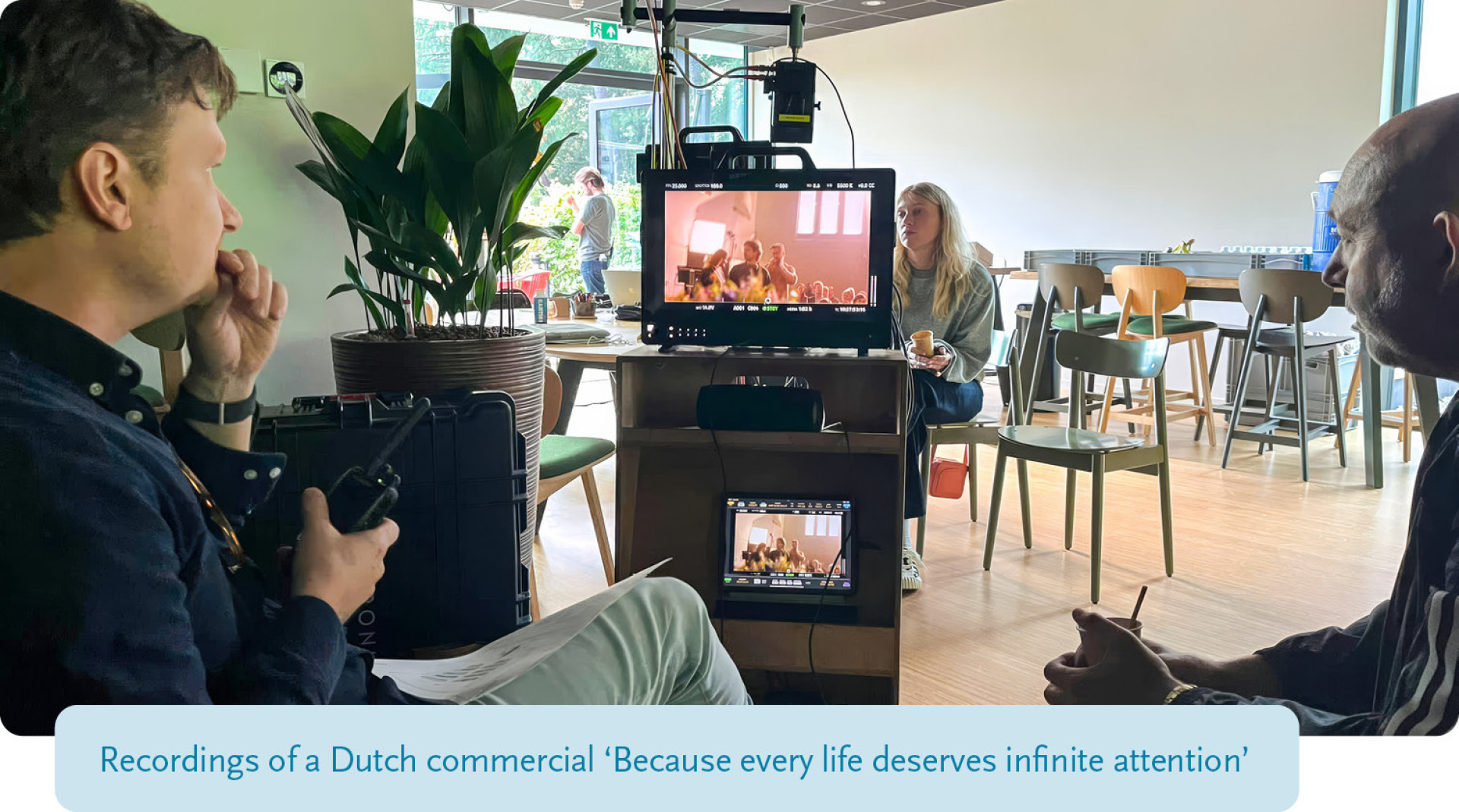
Growth
Our goal is to achieve a net increase in the number of both insurance policies and members. Our activities are also aimed at arranging funerals in-house as much as possible and keeping the number of times policyholders choose another company for a funeral paid for by us to a minimum. DELA has a broad reach in the Netherlands with all our funeral centres and crematoriums, although we must ensure that the size of our company does not have a paralysing effect or that we come across as being distant. Detailed marketing plans should in particular increase our share in the 'free market' (funerals without a linked DELA insurance policy). We are giving the funeral company a further boost in the Netherlands by means of a national campaign focused on the perspectives of our employees, making their humanity, professionalism and warmth tangible.
In Belgium we will continue on our chosen path of making the most of the available distribution options. We still see room to grow as well and are exploring the launch of a new insurance product. Although our brokers and partners will continue to be of considerable importance, we are seeing an increase in the online segment in the insurance segment.
The funeral company in Belgium was mainly built on acquisitions in which we retained the local name. DELA is therefore not yet that well-known as a funeral company and we will promote the brand via a national campaign in 2024.
We also have major growth ambitions for the insurance portfolio in Germany. Our aim here is to increase name familiarity among consumers, brokers and partners, positioning DELA as an expert in aftercare services (‘Hinterbliebenenvorsorge’). Eventually we aim to become the digital insurer in the country.
Intensifying customer relations
The cooperative model will always be at the core of our organisation. We will further strengthen our current member-driven approach in various ways, including by creating more space for local solutions in the funeral company. In addition, we will provide even greater clarity and efficiency to our products and services wherever possible. And we will continue to develop our warm and personal service provision so that we can play a meaningful role at various moments in life.
This approach extends beyond insurance and funerals. Voor Elkaar Holding is looming into areas such as informal care and financial support, for instance. And we continuously evaluate our products and services within the DELA Group via special innovation teams. We examine how we can mean even more to our members and customers, now and in the future and from a company-wide perspective that includes all divisions. With a constant eye on customer satisfaction, we are constantly looking for new ways to give further depth and meaning to our core values.
We will gradually develop the membership and our relationship with members and customers. In Germany we are strengthening our current connection to brokers by supporting them with their communications and knowledge transfer via extra product information and webinars.
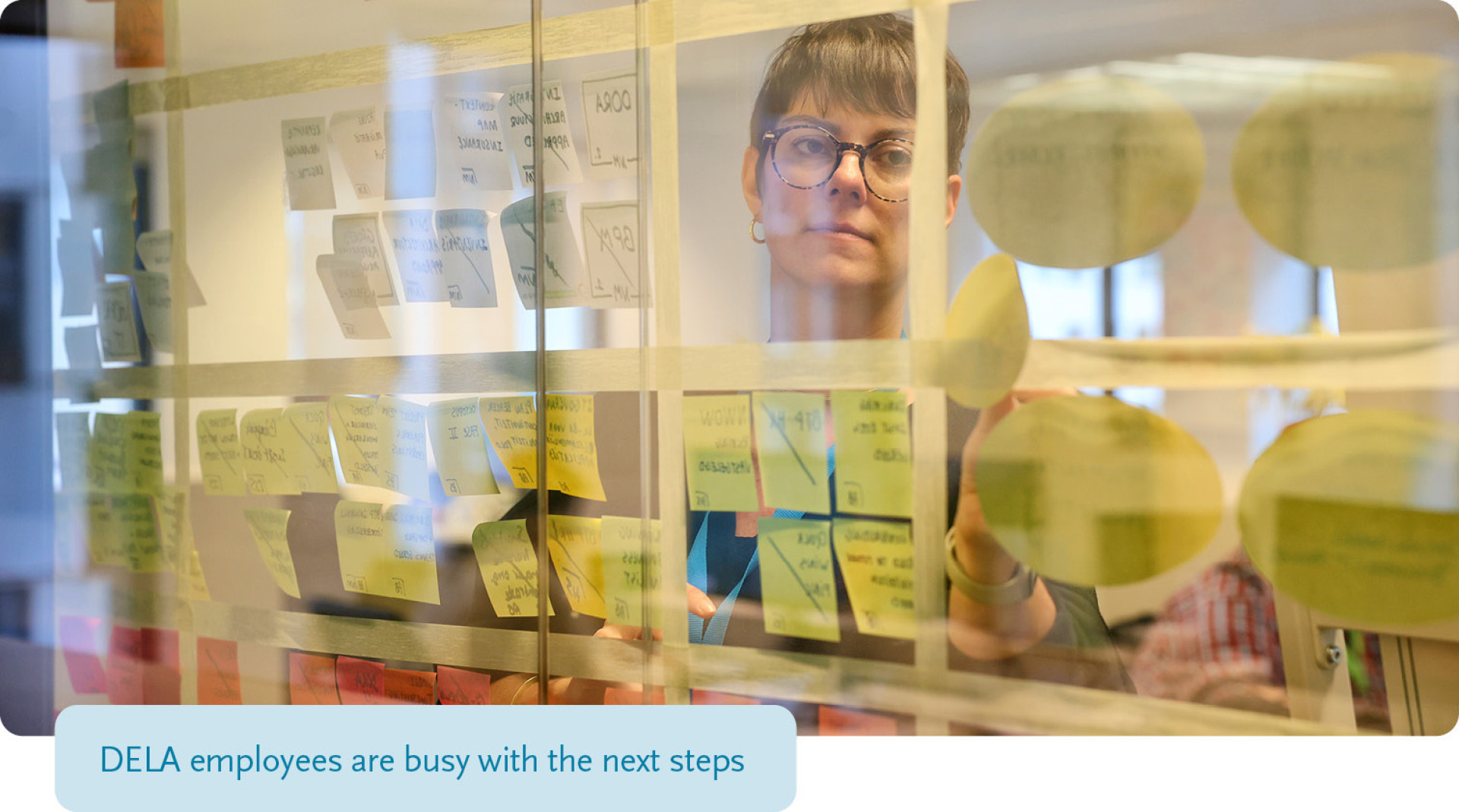
Preconditions for success
Our service provision demands a firm digital foundation to optimally support personal choices while retaining our efficiency and manoeuvrability. In the ‘digital finance’ programme, we are replacing financial applications across the group with future-proof solutions. In the Netherlands we are converting insurance policies (among other things) into a new administrative system in the ‘Digital Transition Insurance’ project. DELA Belgium uses the group (IT) infrastructure as much as possible. Germany will be migrating its entire insurance administration to a new system in 2024. At the same time, we are keeping all IT systems updated and secure.
We are also further optimising our processes and risk management, focusing on the availability and continuity of the parts that are essential for our core activities. We will generate greater synergies between our activities in the Netherlands, Belgium and Germany, allowing us to benefit from best practices and strengthen our local presence while keeping costs under control.
Increasing the sustainability of our activities will remain an important aspect herein. We are already working in a socially responsible way with a focus on climate change, sustainable material use and the social role we have within society. Under CSRD we will accelerate the sustainability of our activities. We will be using a CSR roadmap to realise our goals in the field of CO2 reduction, the use of sustainable materials, inclusivity as an employer and sustainable investments. We also aim to further integrate sustainability within all our processes and decision-making, reducing our impact on the environment and making a positive contribution to society.
We will keep in mind the well-being of our employees by investing in working conditions and development opportunities. Increasing flexibility is crucial in order to address the tight labour market and ensure employee retention. The learning and performance programme is result-oriented and stimulates knowledge and experience sharing. We encourage our staff to give their best every day via team and personal development plans that include a dedicated portfolio of courses and workshops. We will also continue efforts to reduce work stress. Simplifying daily activities – the transition to decentralised reservations being a good example – will enhance efficiency, while promoting the importance of existing processes and protocols will safeguard the quality of our services and reduce the pressure on individual employees.
Last but not least
There will be a change to the Board in 2024 and this transfer will be carefully realised to ensure continuity. In the Netherlands, we will also be finalising the integration of Yarden, with the brand being replaced by DELA at all locations.
These dynamic times require us to be resilient and determined in order to stay relevant to our members and customers. We can only achieve this by anticipating changing needs and market conditions while staying loyal to our cooperative values and our goal for excellence in our service provision. With a clear ambition and course and engaged and skilled employees, this robust organisation has complete confidence in the future.
Eindhoven, 26 april 2024
The Executive Board
S.M.G. (Sandra) Schellekens – Lyppens, CEO / chair
J.A.M. (Jack) van der Putten, CCO / vice-chair
J.L.R. (Jon) van Dijk, CFRO